
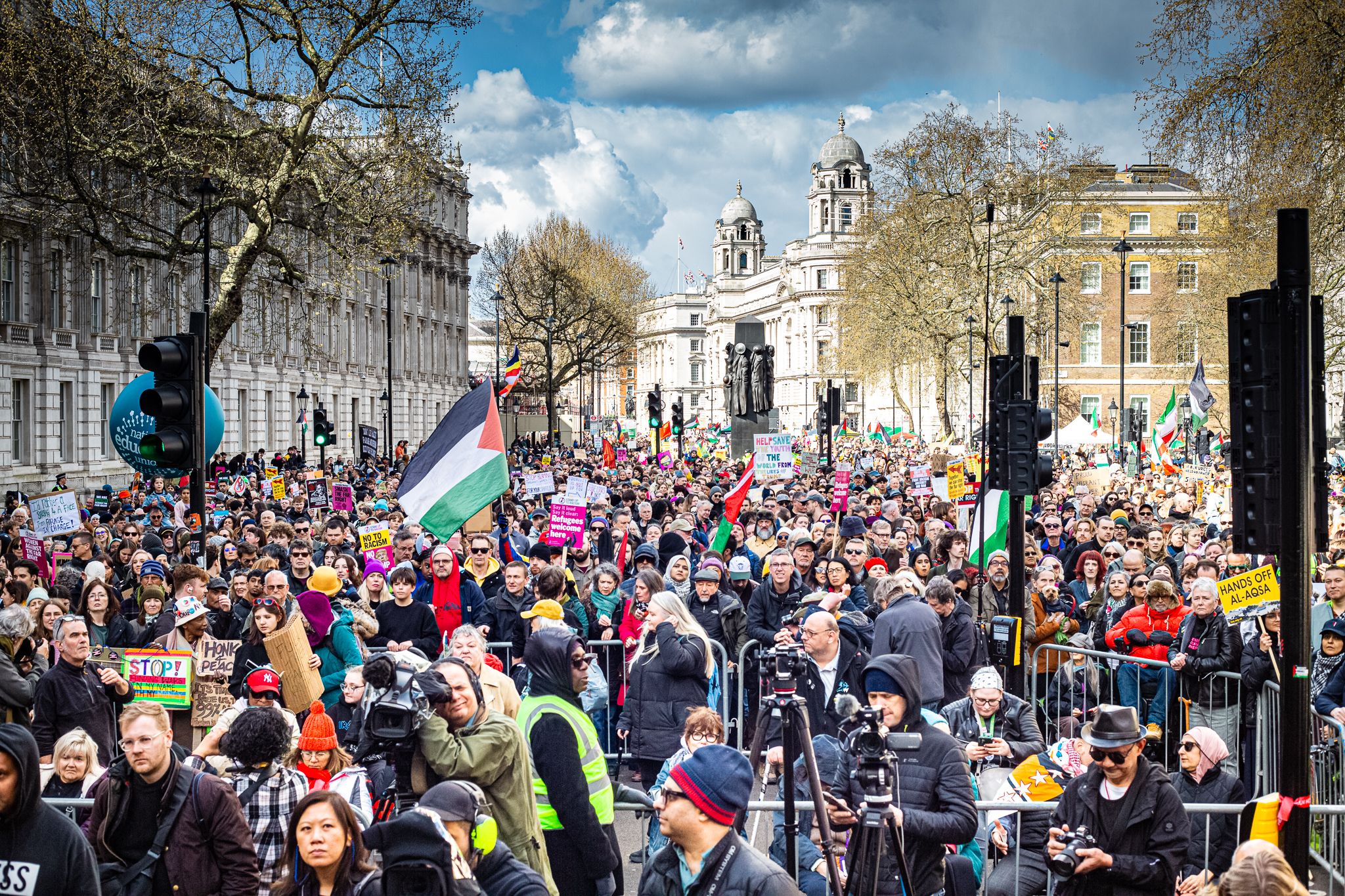
Report #1 from Dave Gilchrist
Anti-racist activists in the UK used to look to France and Italy—at the rise of the Rassemblement National and various Italian far-right parties—and argue that Britain had already defeated its own equivalents: the National Front, then the British National Party, and later the English Defence League. It was true: we had.
For readers in Germany, this trajectory may feel familiar. The period in which far-right forces appeared marginal has given way to a renewed and more complex threat, combining electoral advance with street-level mobilisation. As in Germany—with the rise of the Alternative for Germany alongside networks of extra-parliamentary activism—Britain now faces a similar dual dynamic.
In the UK, this takes the form of the growing far-right populist party Reform UK, led by Nigel Farage, alongside a street movement organised by Stephen Yaxley-Lennon, better known as Tommy Robinson. Robinson mobilised 100,000 people on the streets of London last year, and Reform UK looks set to perform strongly in the local elections in May, with some already speculating about its longer-term electoral prospects.
This year has seen hundreds of far-right mobilisations in towns across the country, most often protests outside hotels housing asylum seekers. These echo the localised protests and agitation seen in parts of eastern Germany, where refugee accommodation has become a focal point for far-right organising. In Britain, the vast majority of these actions have been countered by Stand Up To Racism and other local anti-racist groups. SUTR held over 450 counter protests from February 2025 to February this year.
It was the shock of Robinson’s large demonstration—during which the Stand Up To Racism counter-protest was physically threatened—that galvanised activists into further action. In response, the Together Alliance was formed, bringing together a broad coalition from civil society opposed to the far right. Its aim was singular: to mobilise the largest possible numbers against them.
The date was set for 28 March, timed to fall close to International Day for the Elimination of Racial Discrimination and to coincide with the “No Kings” protests in the United States.
The mobilisation proved a major success, with around 500,000 people protesting on the day—an intervention that may be of interest in Germany, where debates continue about how to translate widespread opposition to the AfD into sustained mass mobilisation. Trade unions played a central role, particularly the National Education Union and the University and College Union, with the NEU’s leadership proving especially important. Other unions also brought substantial numbers, including Unison and Unite the Union.
Another notable presence was the leftward-moving Green Party of England and Wales, and its charismatic leader Zack Polanski, which mobilised a significant contingent. This broad alignment—from trade unions to environmentalists, faith groups, and grassroots organisations—offers a contrast to the more fragmented landscape often discussed in Germany.
Many others joined, ranging from the Woodcraft Folk to activists in the fashion world and numerous public figures. The demonstration included LGBT+, environmental, and Christian blocs—significant given the far right’s attempts, in both Britain and Germany, to instrumentalise cultural and religious identities.
The Palestine solidarity movement, including many Muslim organisations, also played an important role, organising a feeder march of around 50,000 people that joined the main demonstration and was met with enthusiasm and a strong sense of unity.
At the core of all this was Stand Up To Racism, which played a vital organising role throughout.
What happens next for the Together Alliance remains open. There is a danger that it could be drawn too heavily into electoral organising. The role of socialists will therefore be crucial in maintaining a focus on mass mobilising—on the streets and in the workplace.
However, speaking to many activists, it is clear that much of the gloom and fear surrounding the rise of the right has lifted. As Weyman Bennett of Stand Up To Racism has often said: we beat them before, and we will do so again.
Report #2 by Anna (old enough) and Lyra (aged 10)
Billed by odious far right commentator Charlotte Gill as a “hate march”, and far right crank “journalist” Melanie Phillips as a “terrorist march” (in a now-deleted post on Twitter) the Together Alliance march was really a march of love. Along with many others across the country, we attended the march, travelling down to London from West Yorkshire.
500,000 people (or thereabouts, we couldn’t count them all) marched in London this Saturday against the racism, hate and division spread by the far right. Enthusiastic delegations from every trade union were present. Greens marched with revolutionaries and Labour Party members. There were LGBTQ+ demonstrators, Muslim demonstrators and LGBTQ+ Muslim demonstrators. Refugees and school kids felt safe to attend, and were embraced by the march. Firefighters marched holding pride progress flags. Health union members proclaimed solidarity with migrant workers. A key theme of the march was solidarity with refugees. Educators marched with a sound system playing The Clash and chanted anti-Farage chants (Lyra’s favourite contingent to march with). Brass bands played as well as samba bands. Morris dancers were there morris dancing. A big Palestine Solidarity contingent joined the march and many demonstrators wore keffiyehs and chanted “free Palestine”. Disabled activists led the march. This was the diverse working class at its very best.
In terms of opposition, there was a pitiful far right gathering that we didn’t see, and at one point we encountered a solitary woman running back and forth through the demo shouting “long live Israel!” and being ignored by the marchers. We assume she was trying to provoke a reaction.
Lyra says: “the march was so massive, I was stressed by how many people were there until we started moving. There were lots of dogs on the march, and people from lots of different groups. It was so big that we couldn’t find our union branch. It’s good that there are lots of anti racists, even if it was stressful and my mum made me carry a flag”.
The march gave us hope and confidence, it was a relief to outnumber the far right. It has sometimes felt that their rise is unstoppable. In September last year, fascist Tommy Robinson’s ‘Unite the Kingdom’ event drew 100,000 people onto the streets. We outnumbered them this weekend and we need to keep outnumbering them. It helps to see that there are a lot of good people who care enough to stand up and be counted. We now need to build on that sense of renewed confidence and organise in our workplaces and communities. Big marches are uplifting (perhaps not if you’re Lyra), but we’ll need to do more to defeat the far right and drive them out of public life. Next socialists in Britain need to drive the far right dregs of UKIP out of Leeds on 25th April, oppose Tommy Robinson’s next planned hate march in London on 16th May, and also work to stop the rise of the racist, anti-worker Reform party in the May elections and beyond. There’s work to be done. We’re ready.
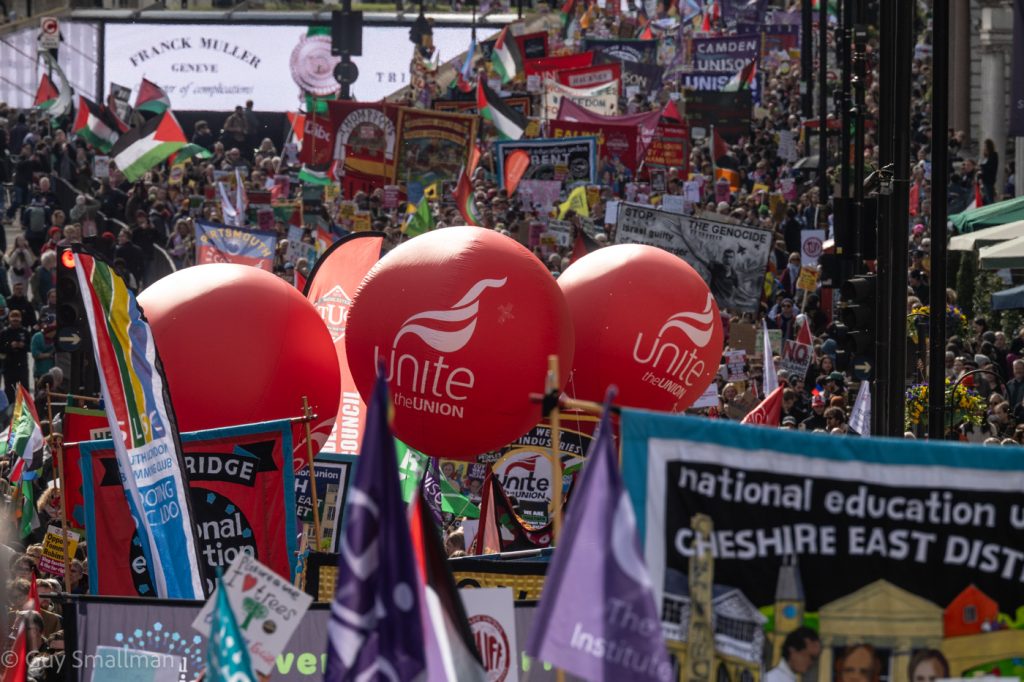
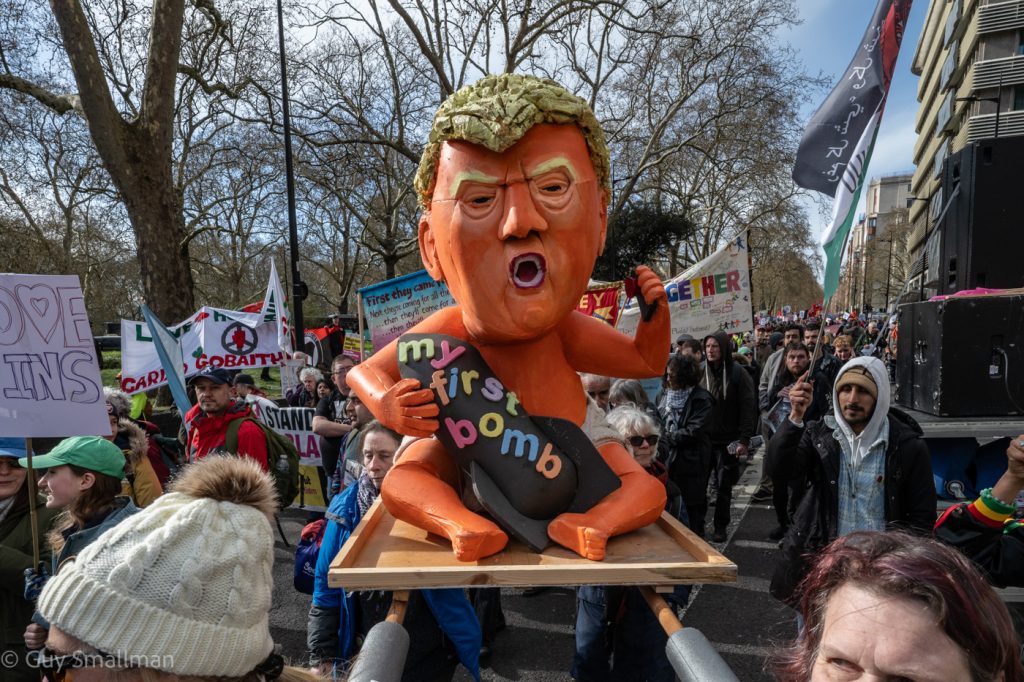
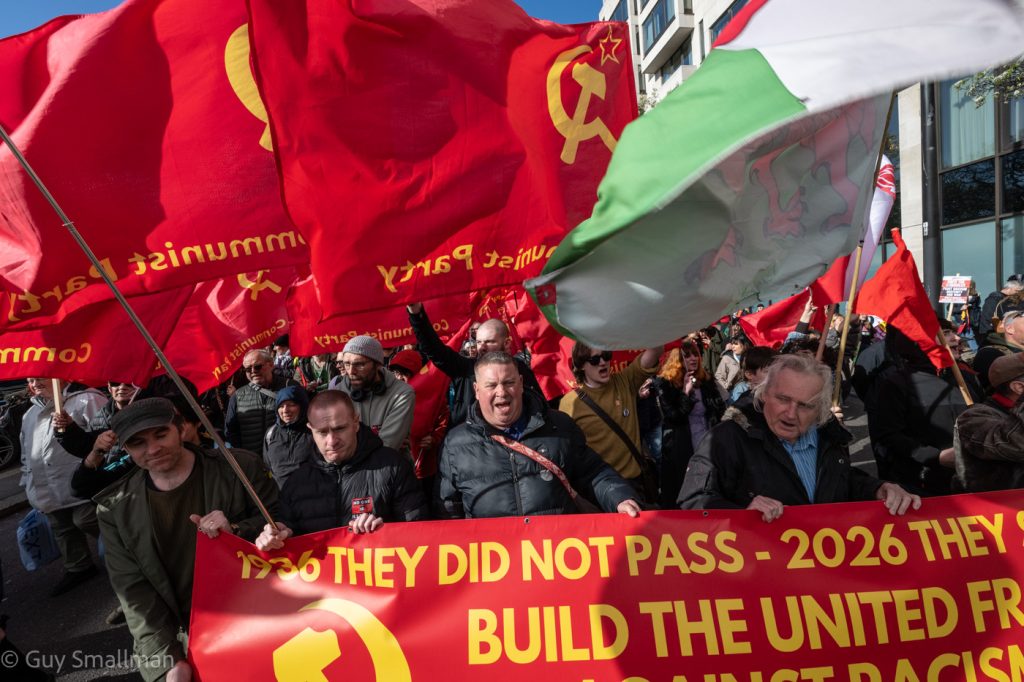
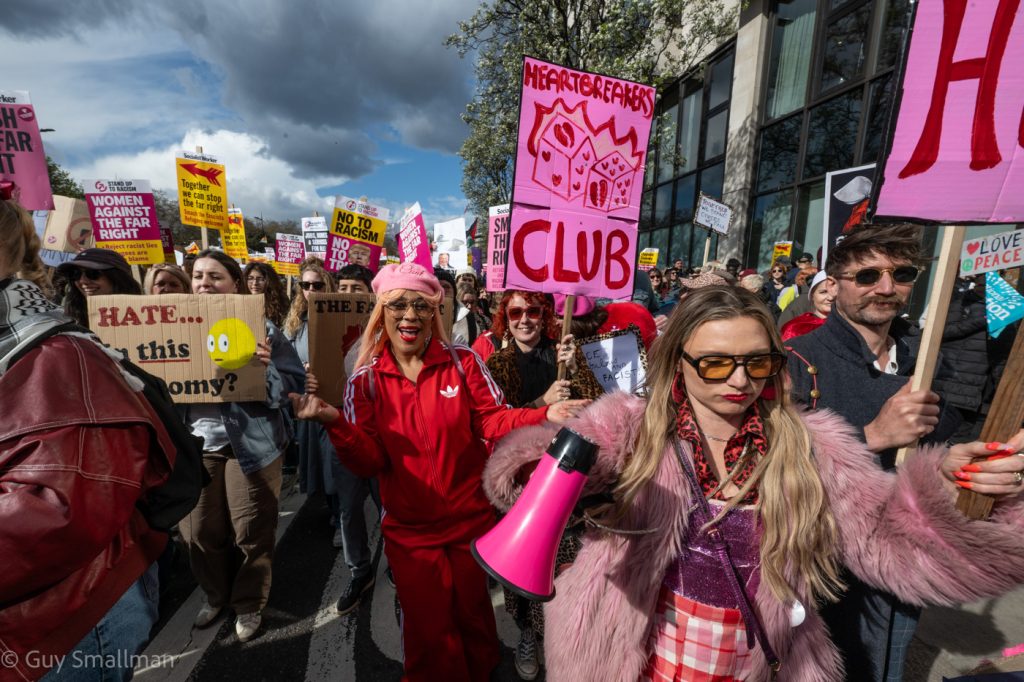
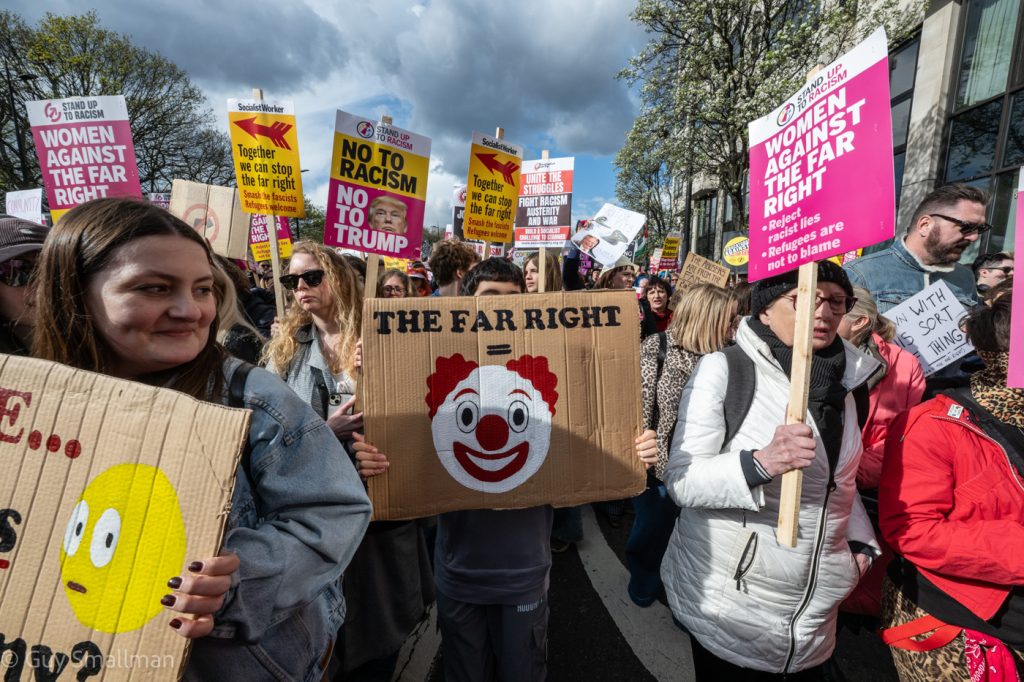
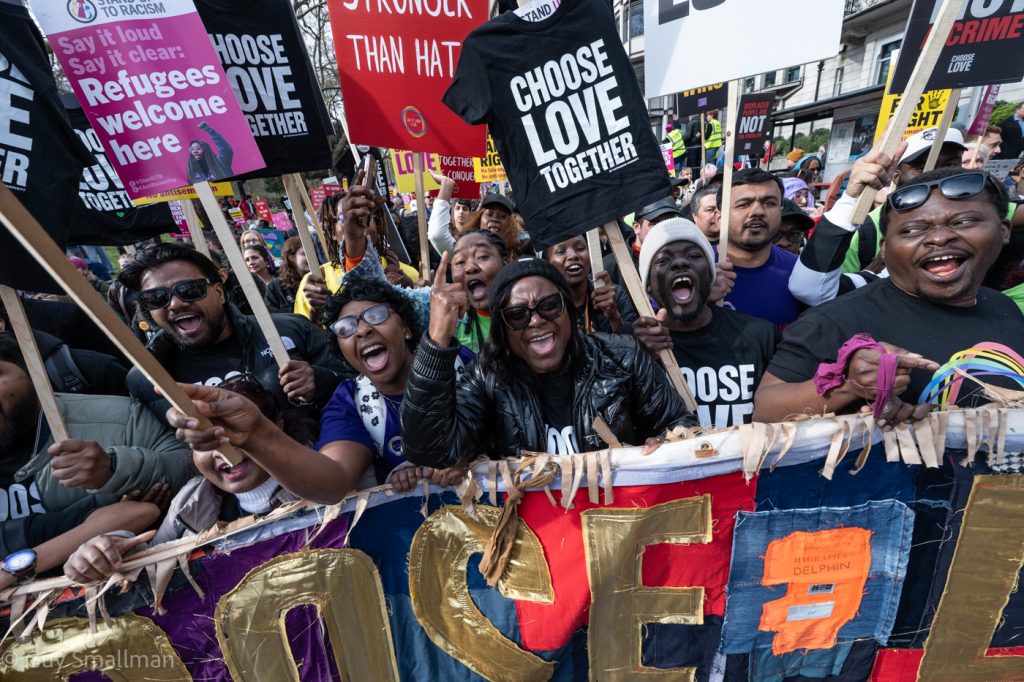
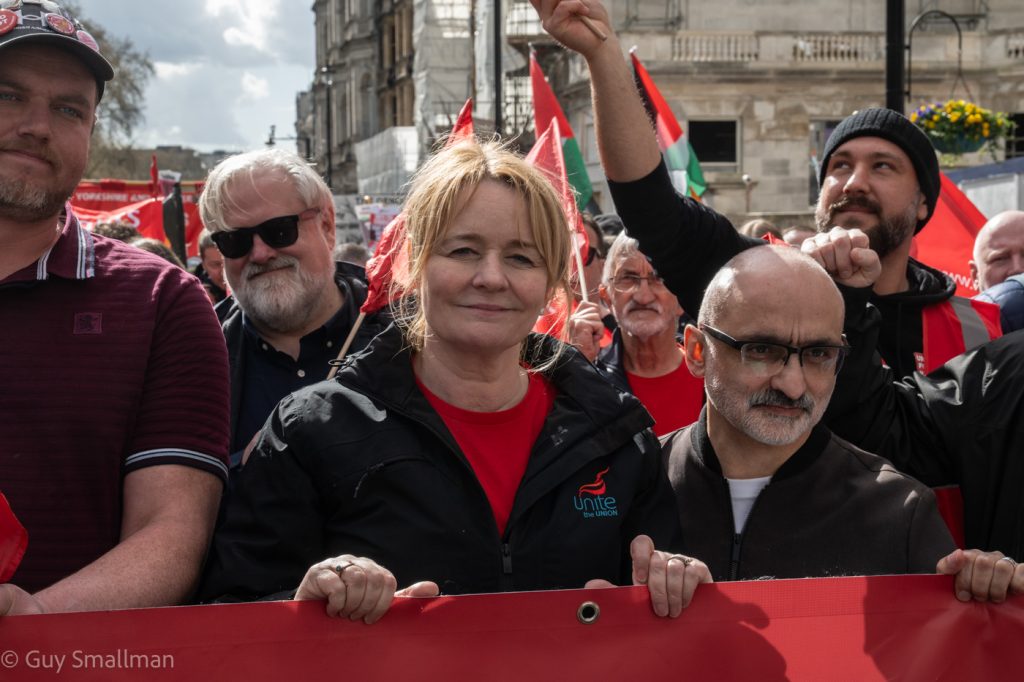
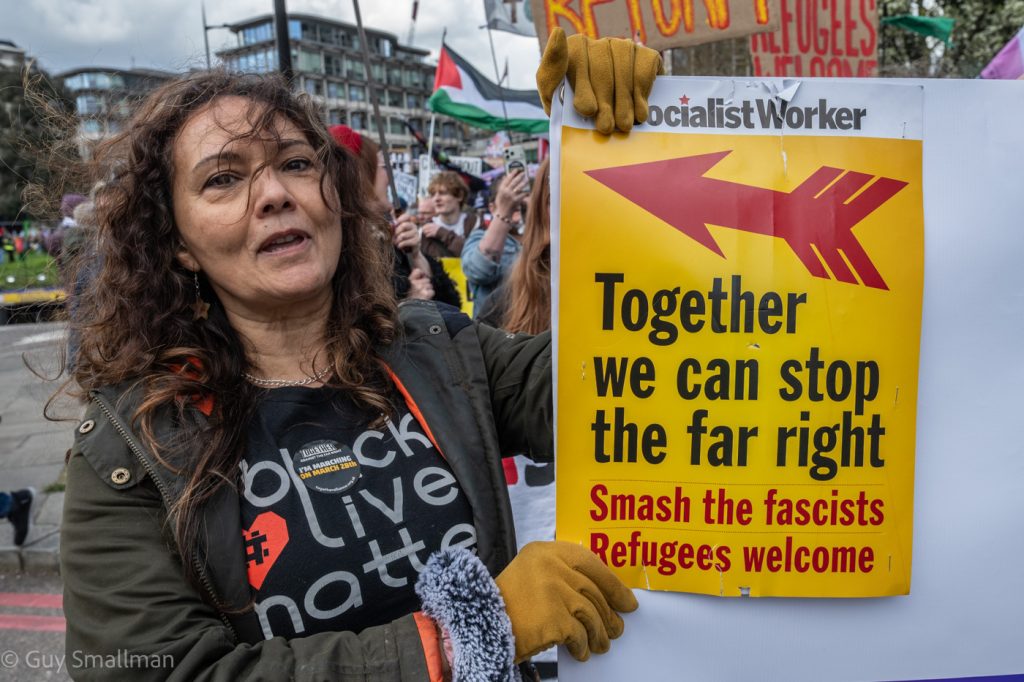
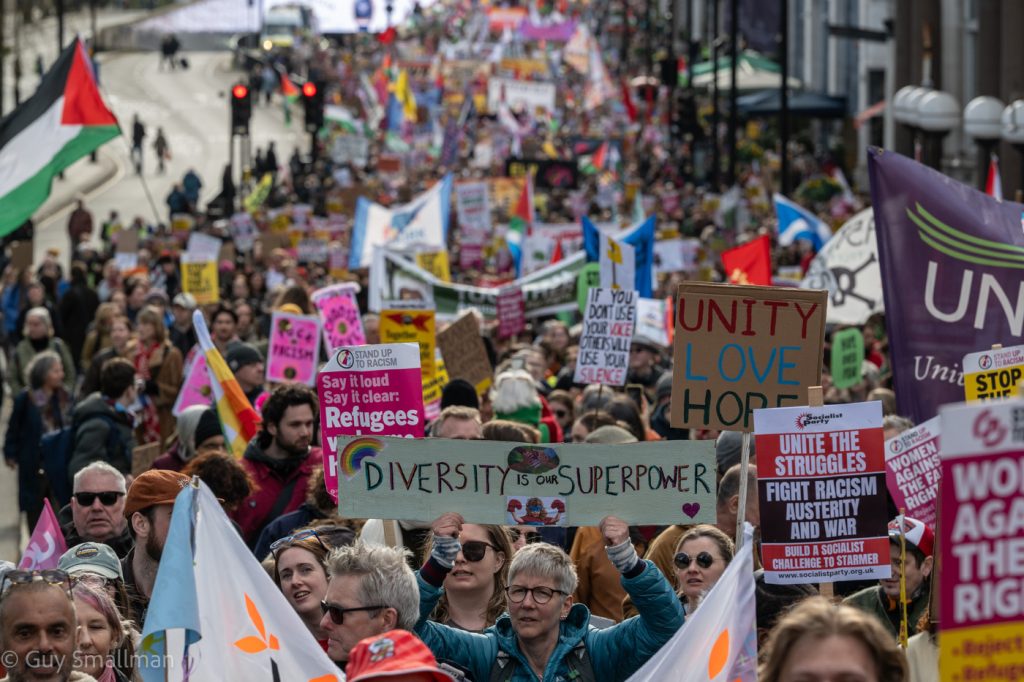
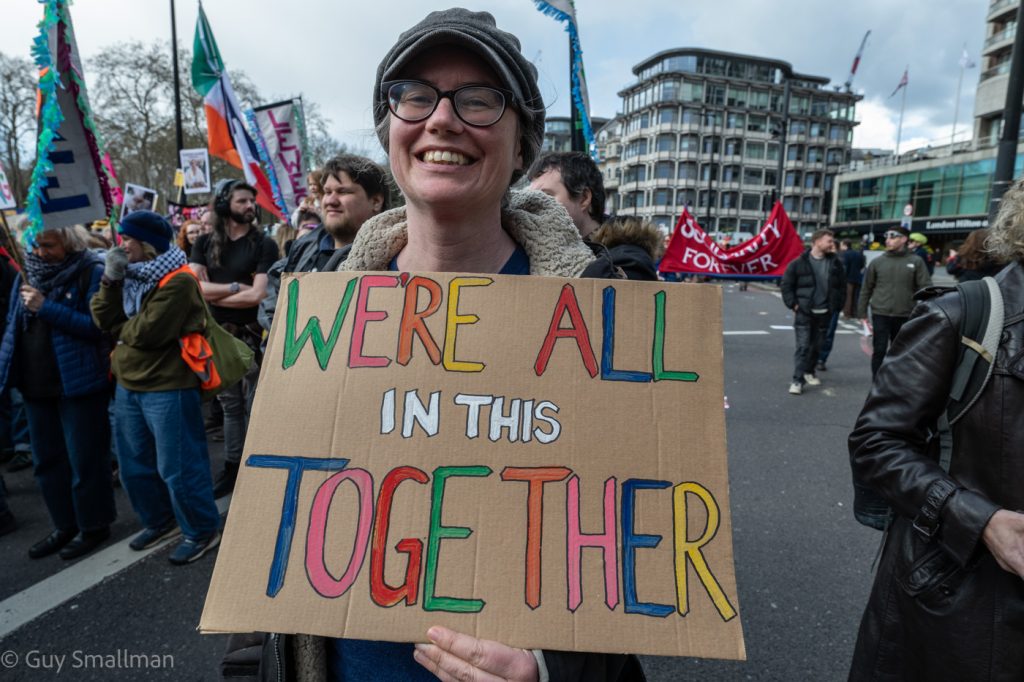
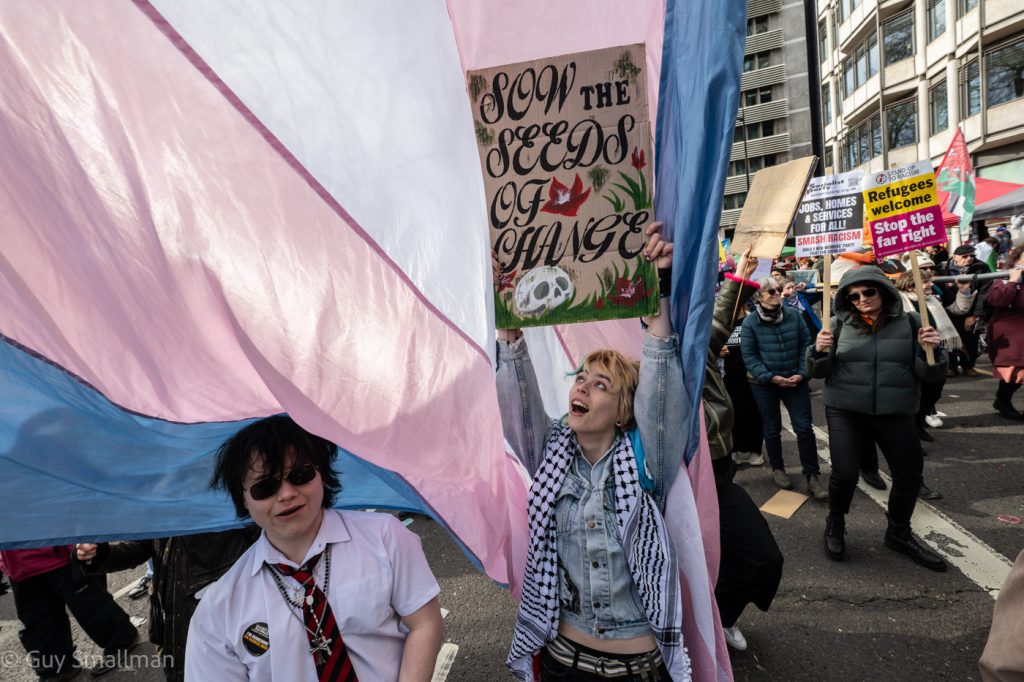
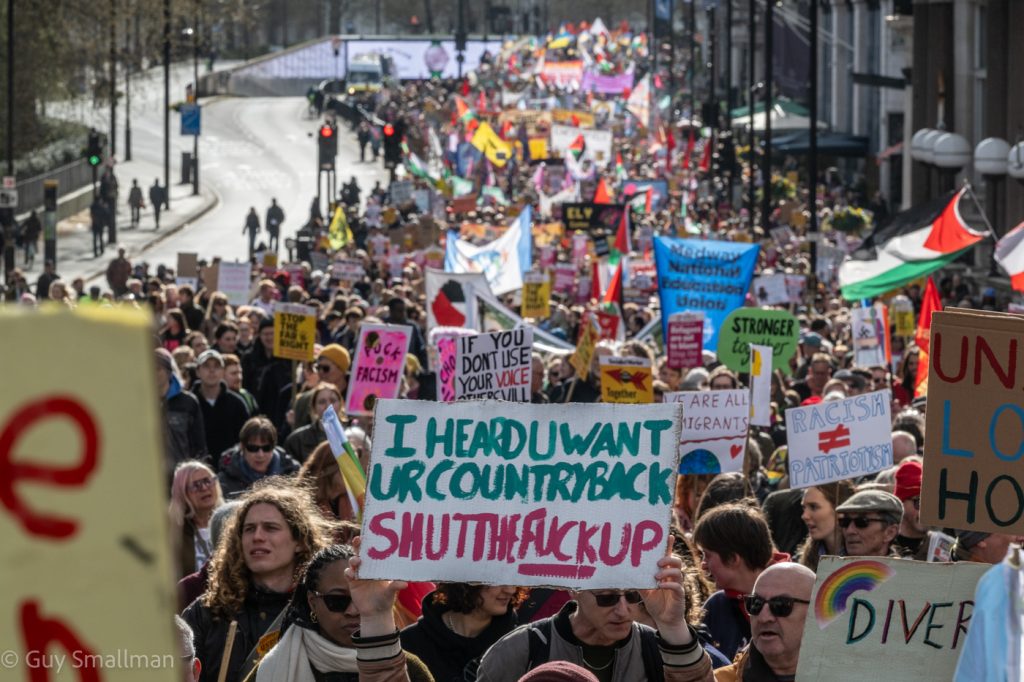
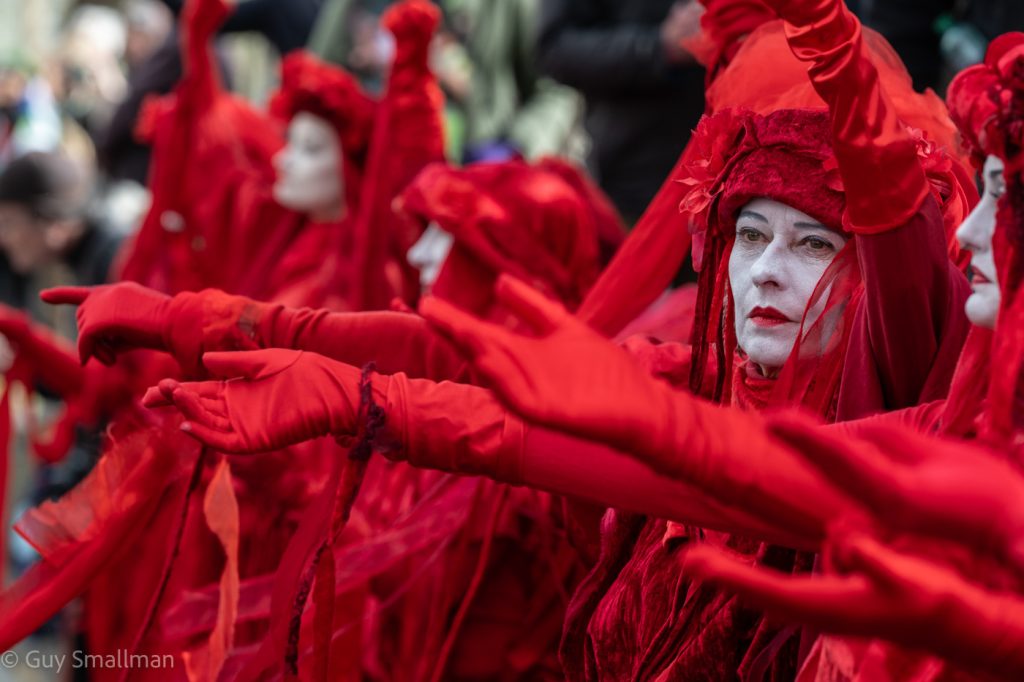
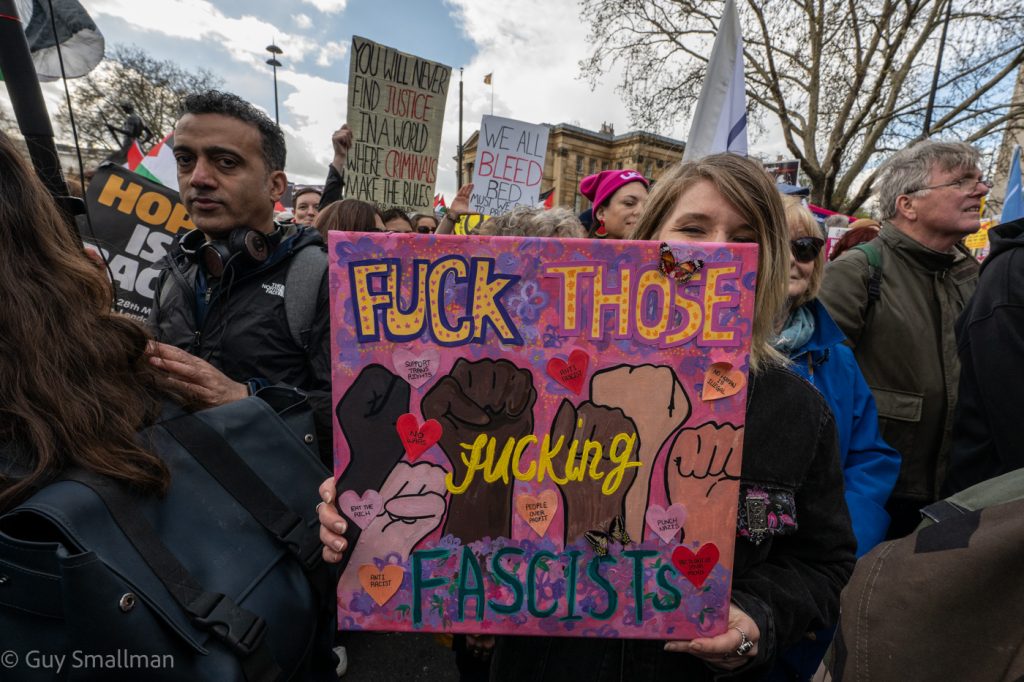
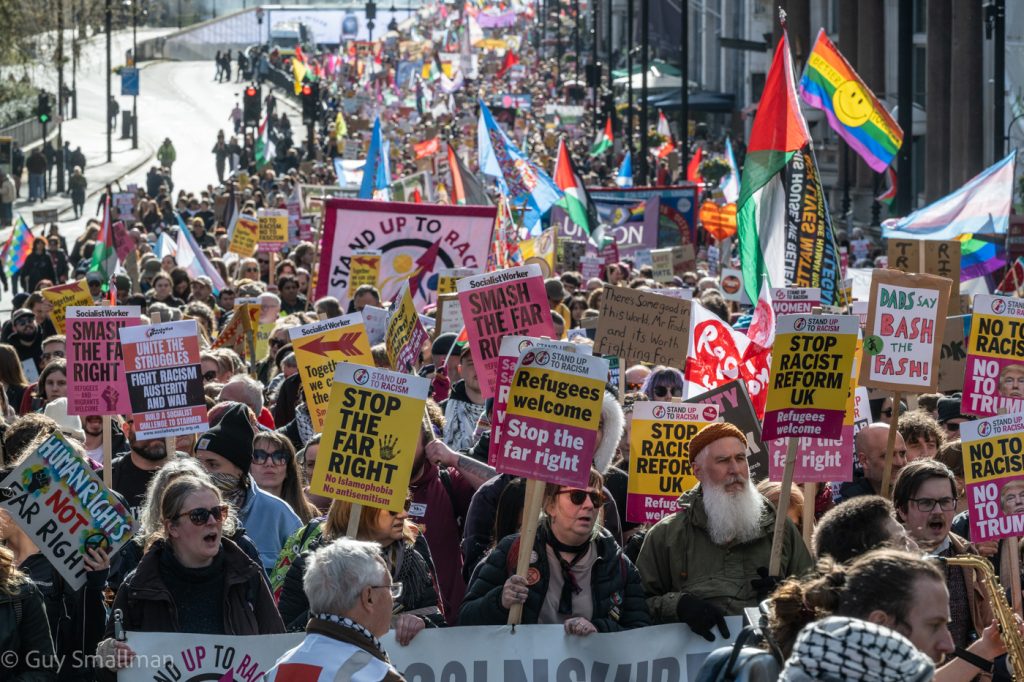
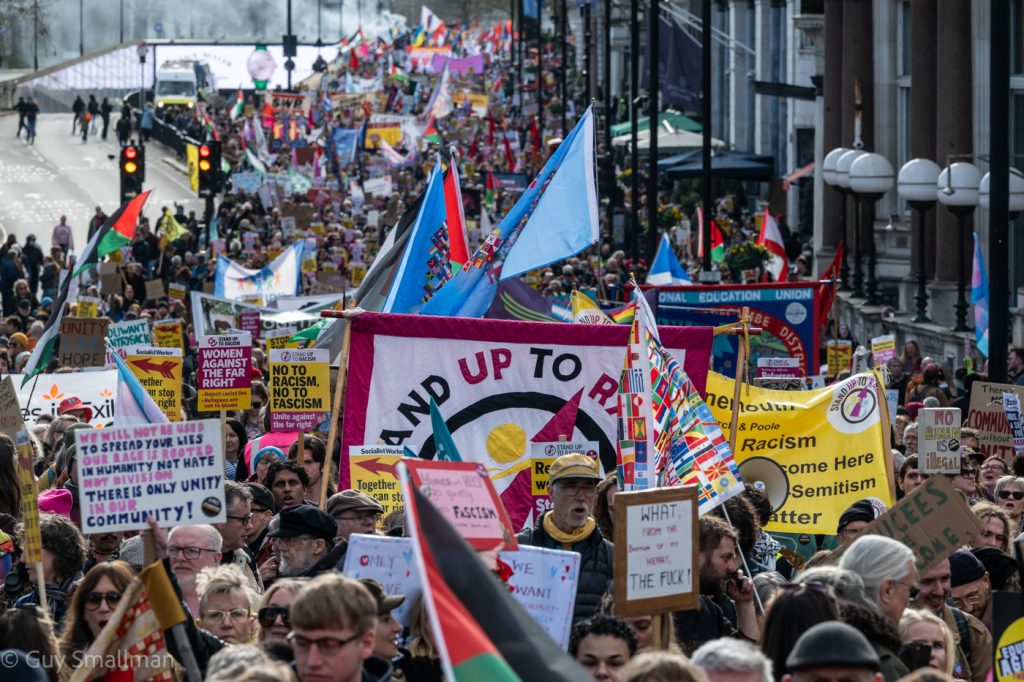
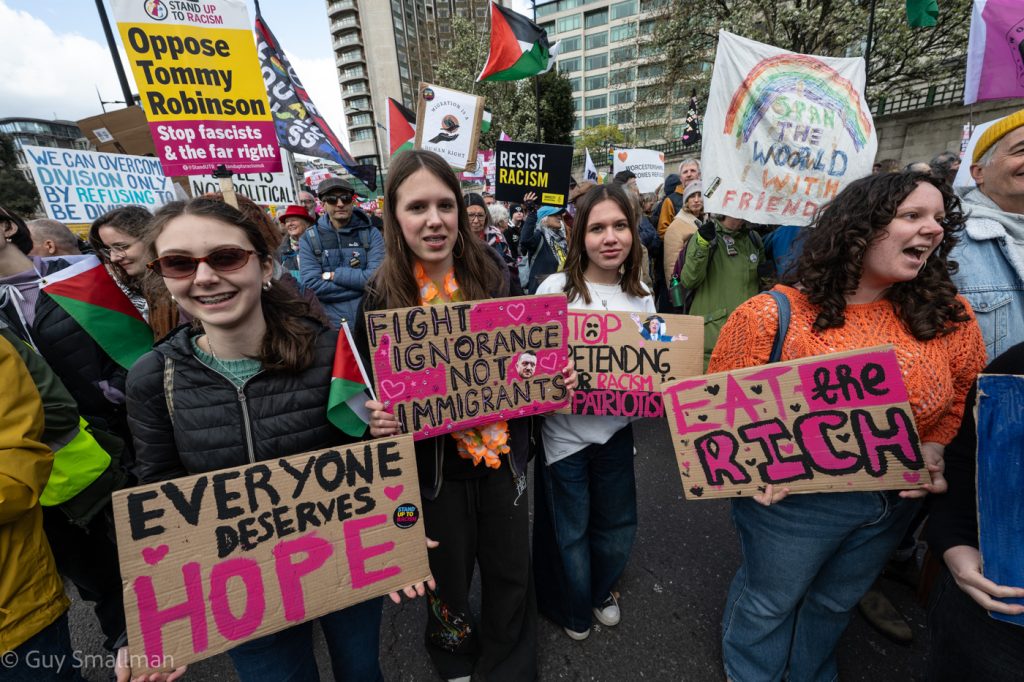
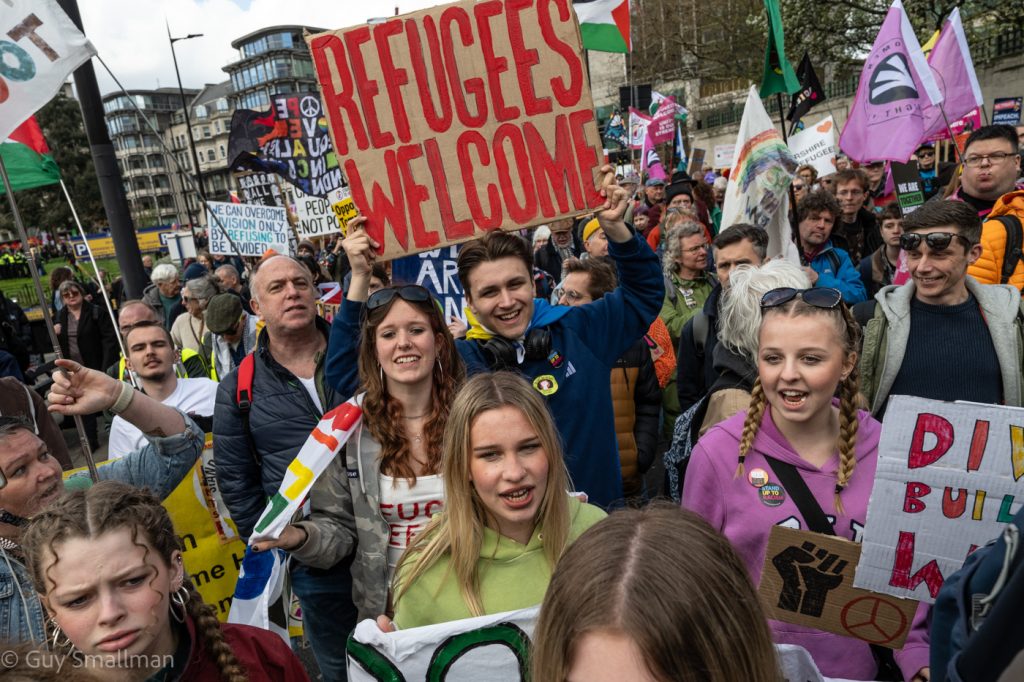
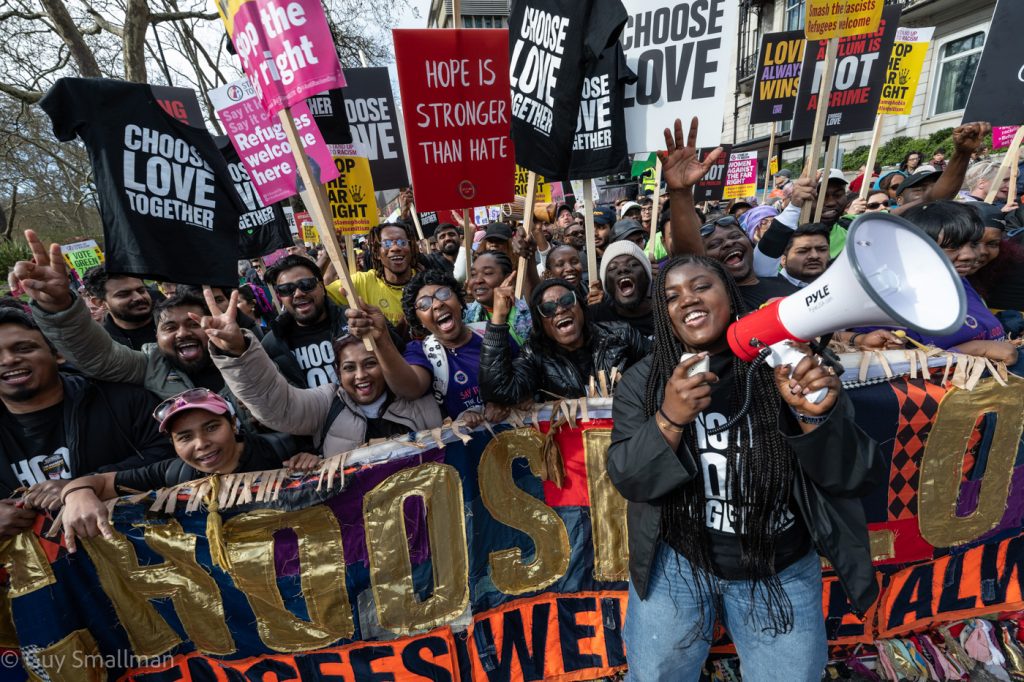
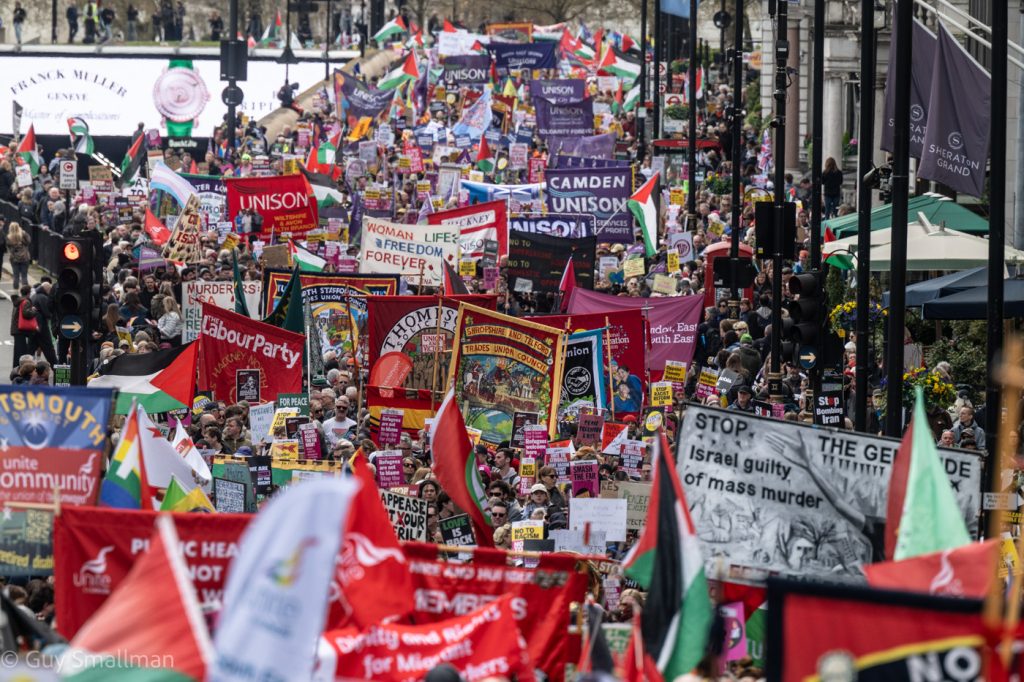
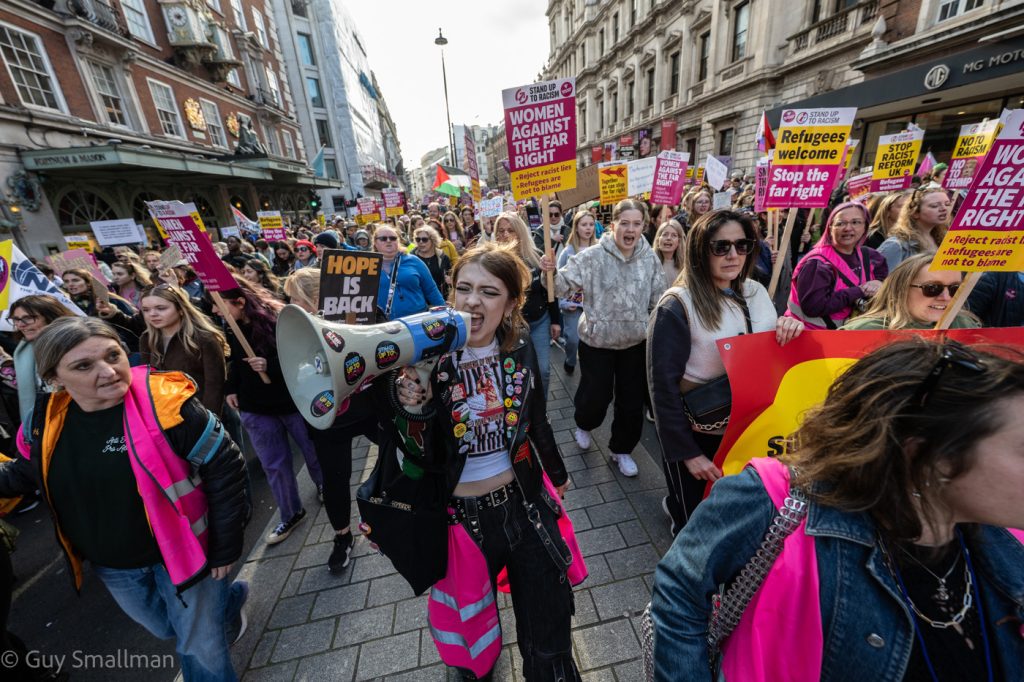
Photo Gallery 1: Guy Smallman www.guysmallman.com
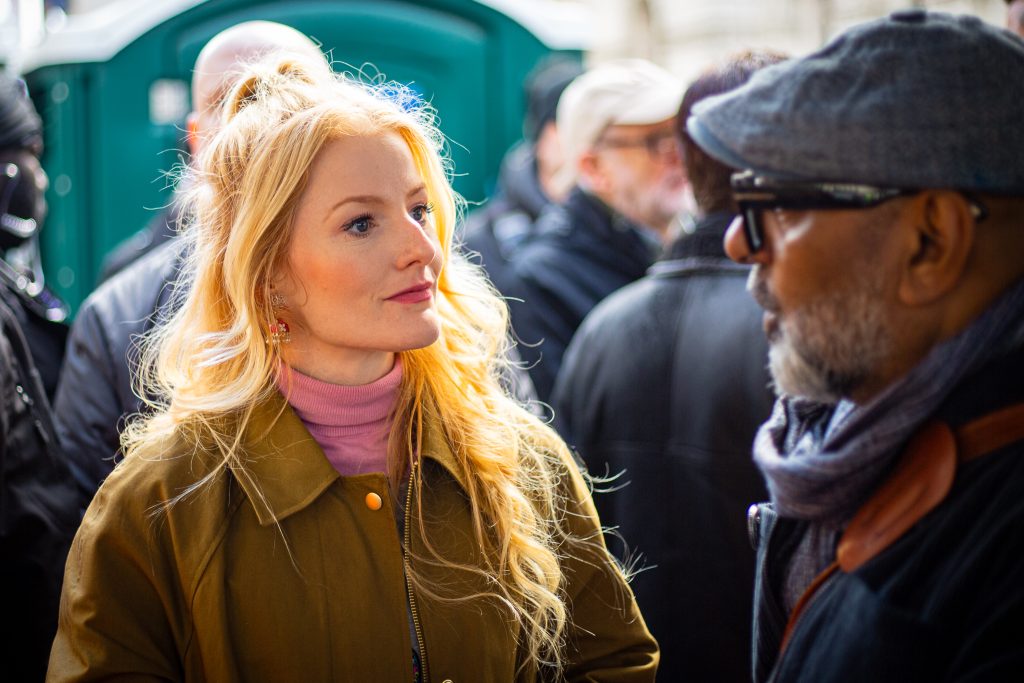
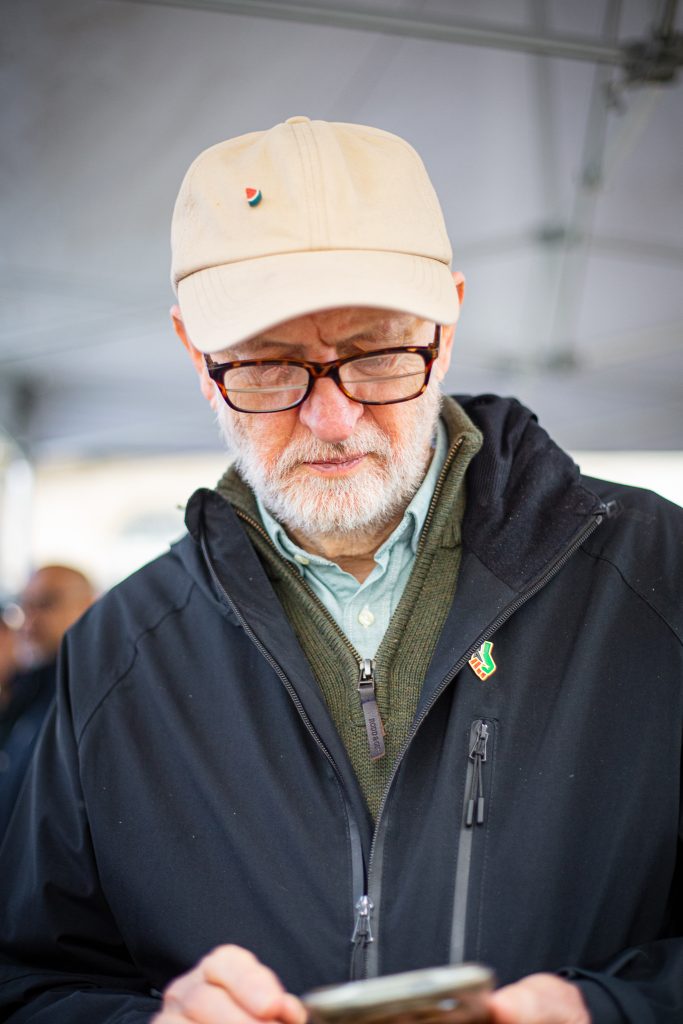
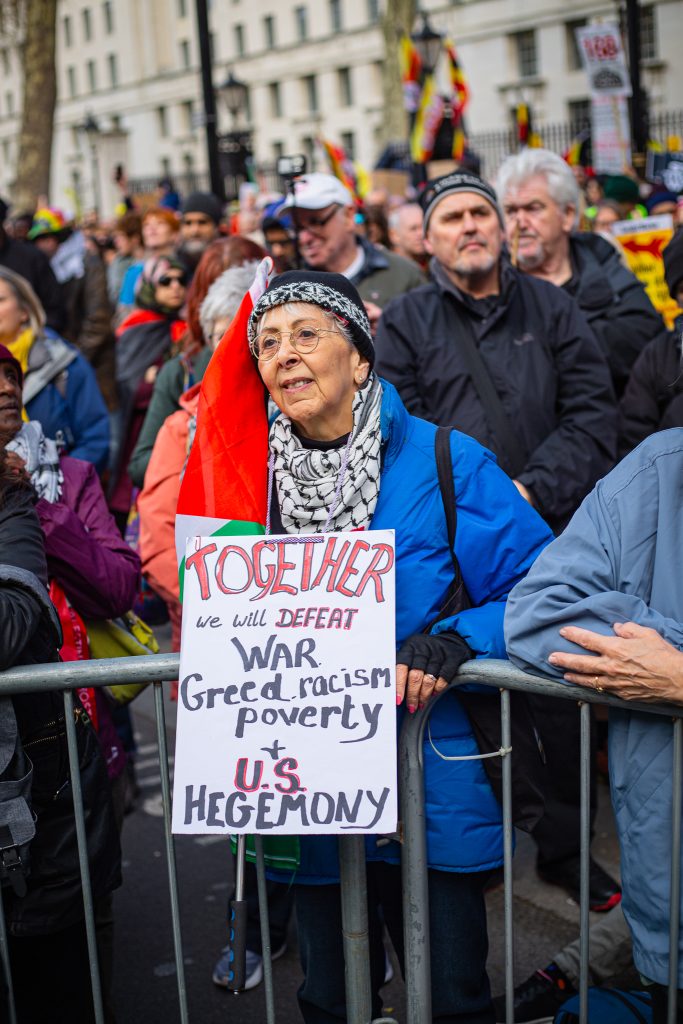
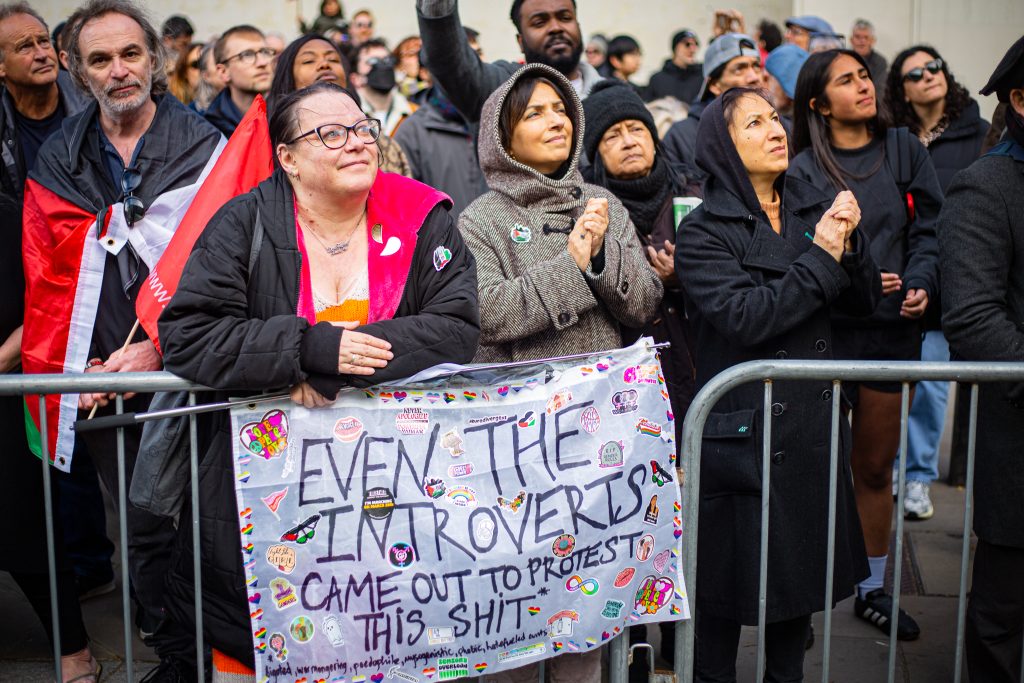
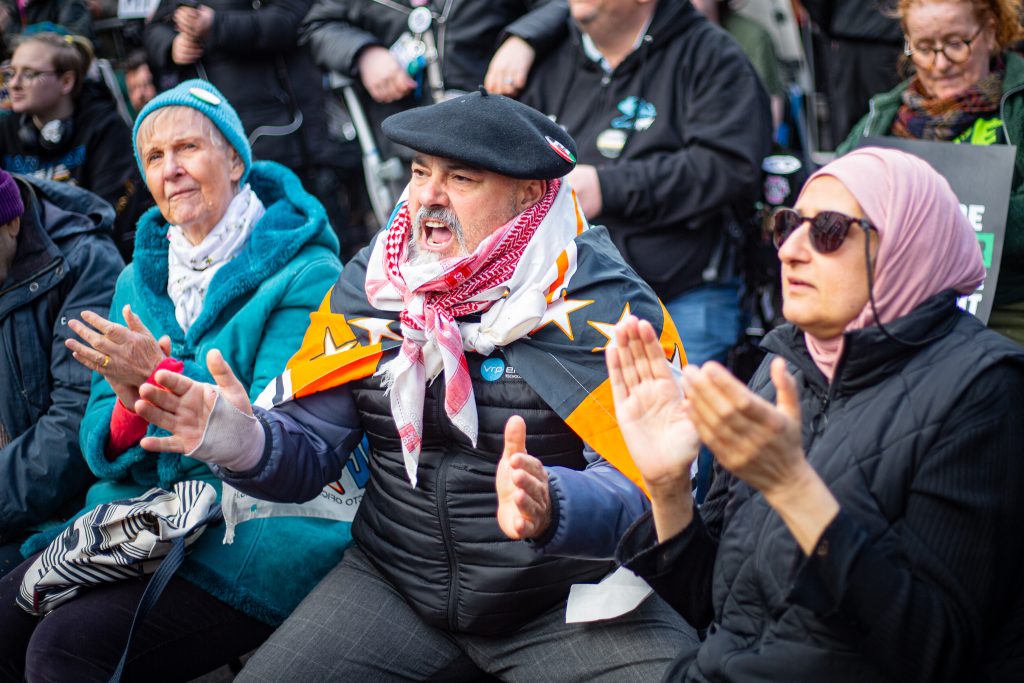
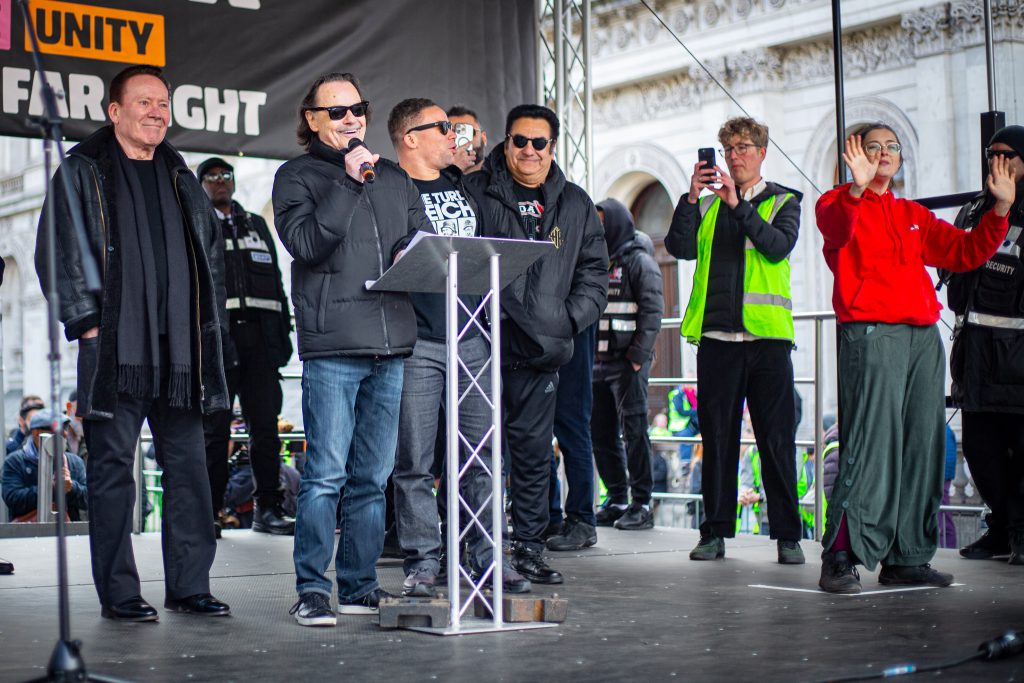
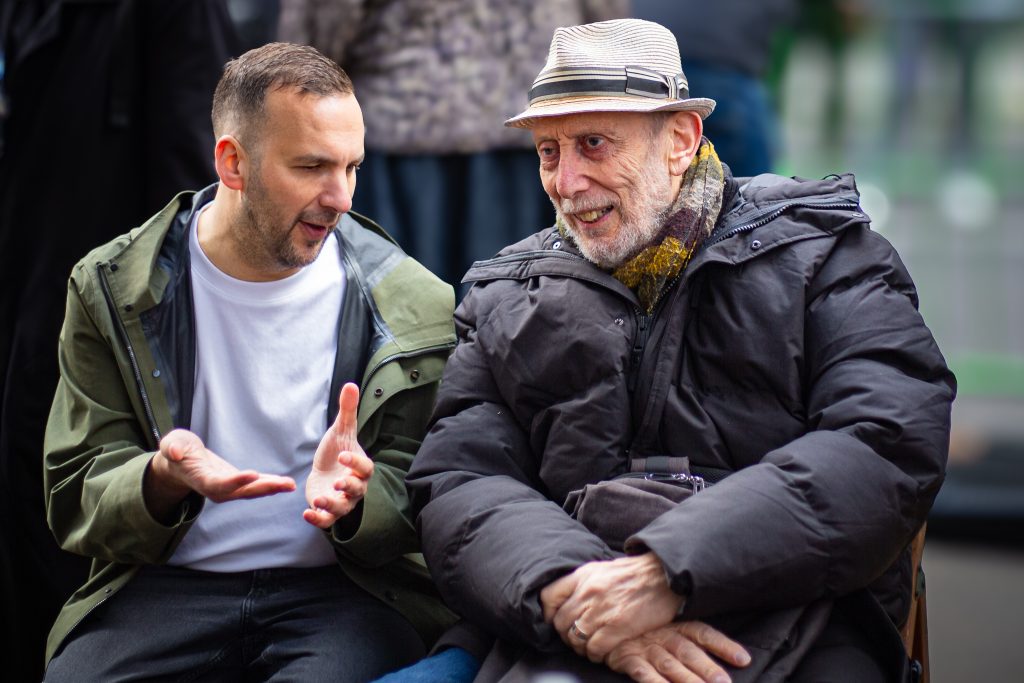
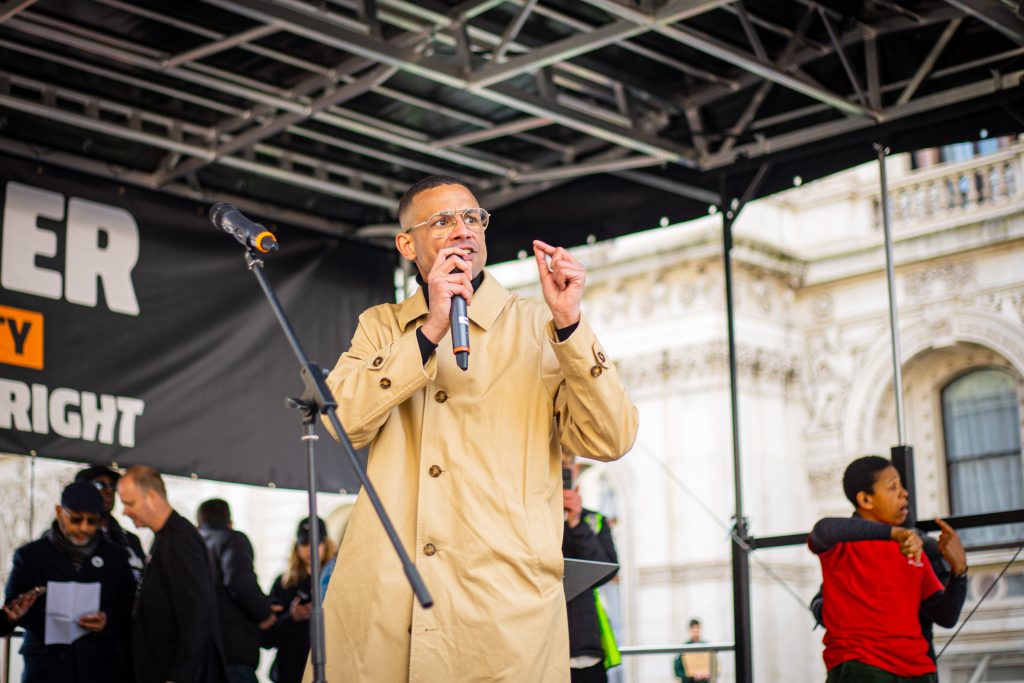
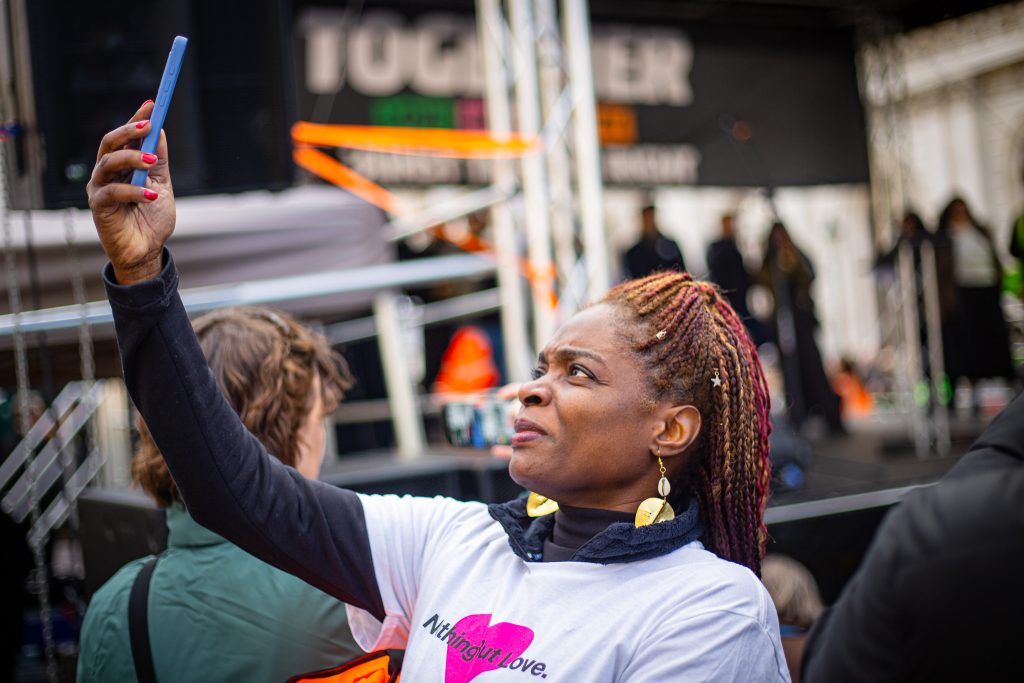

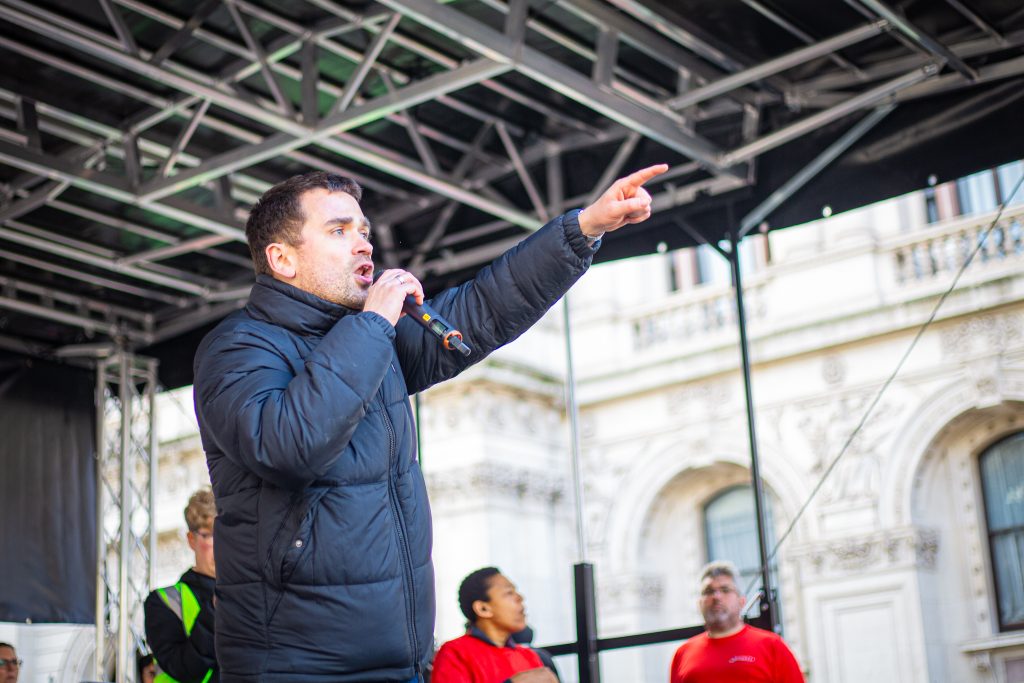
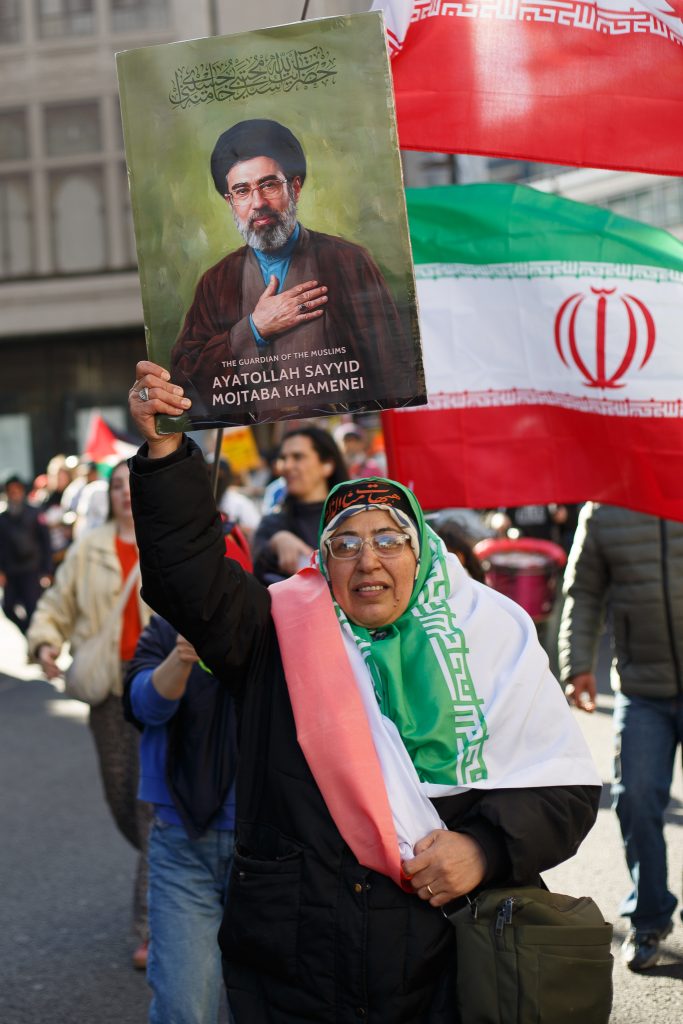
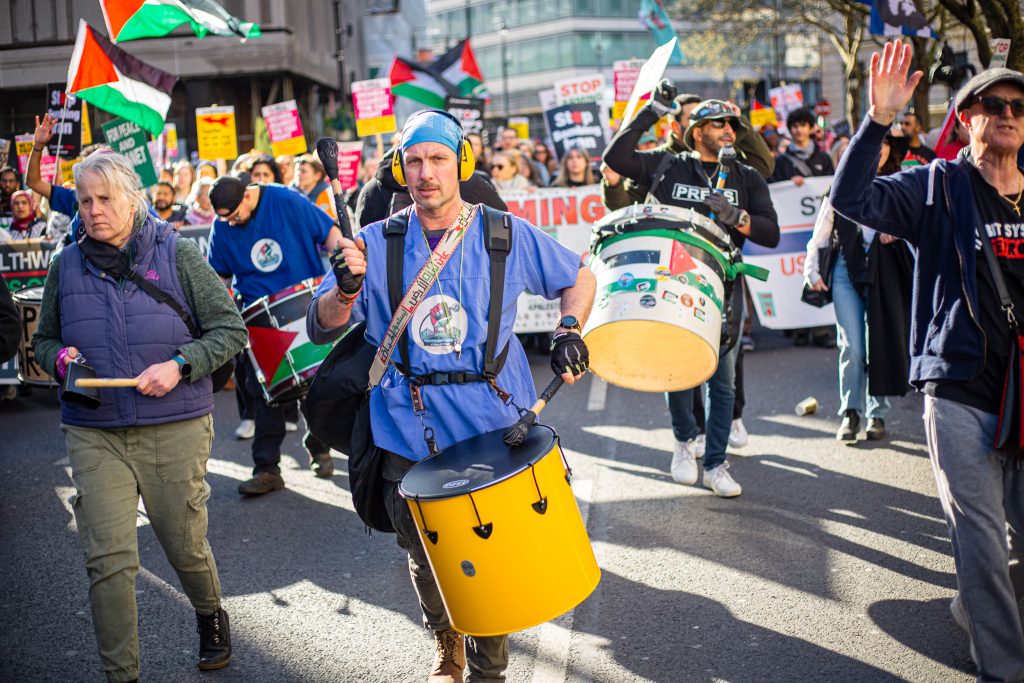
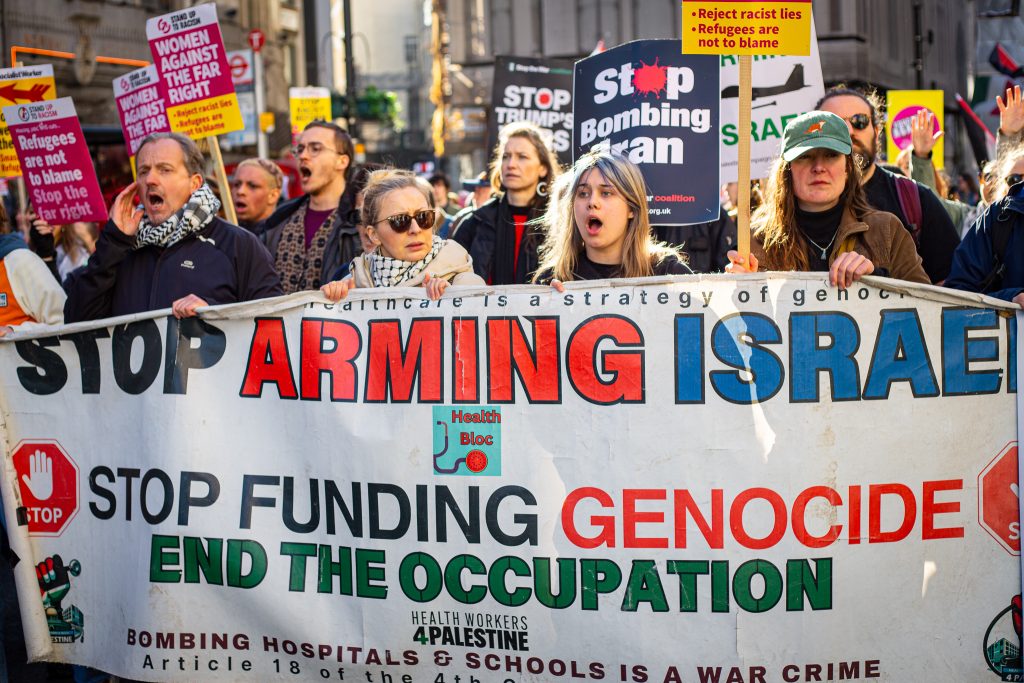
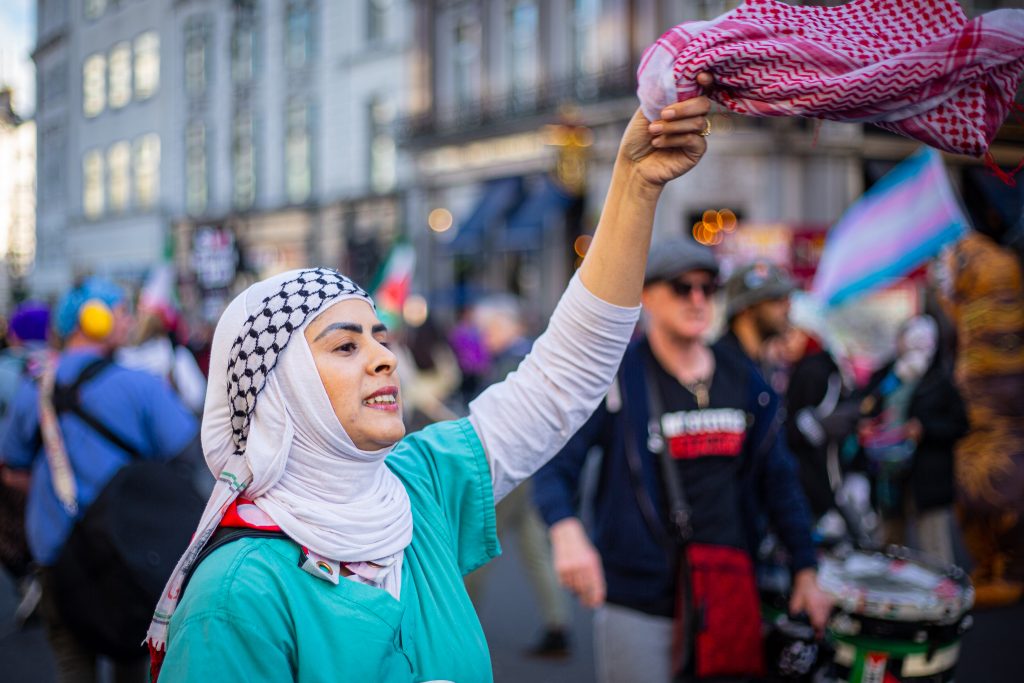
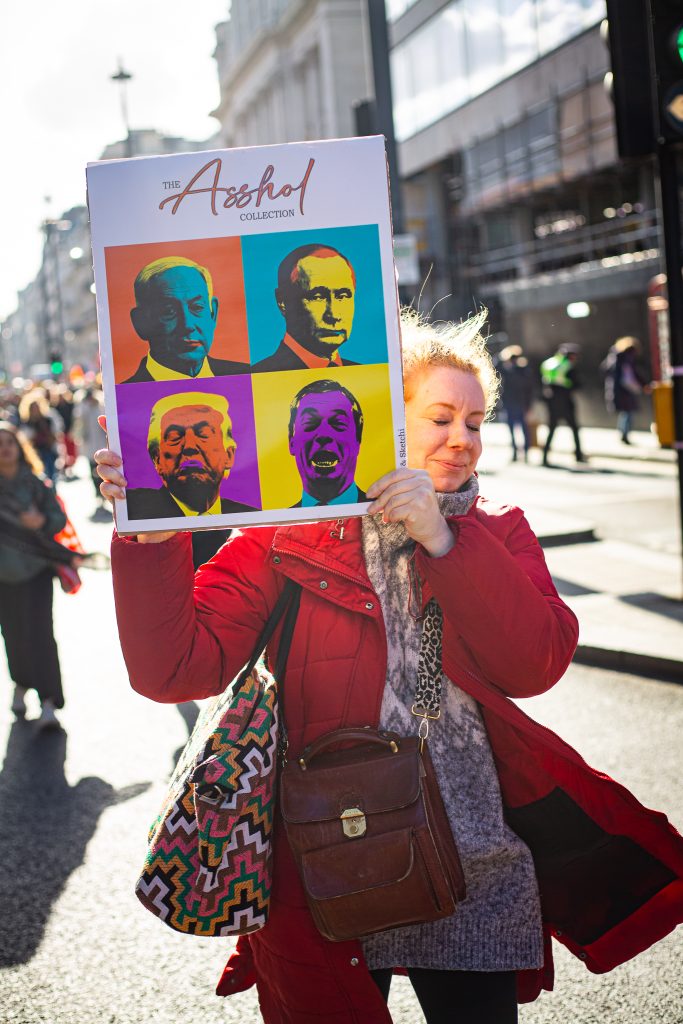
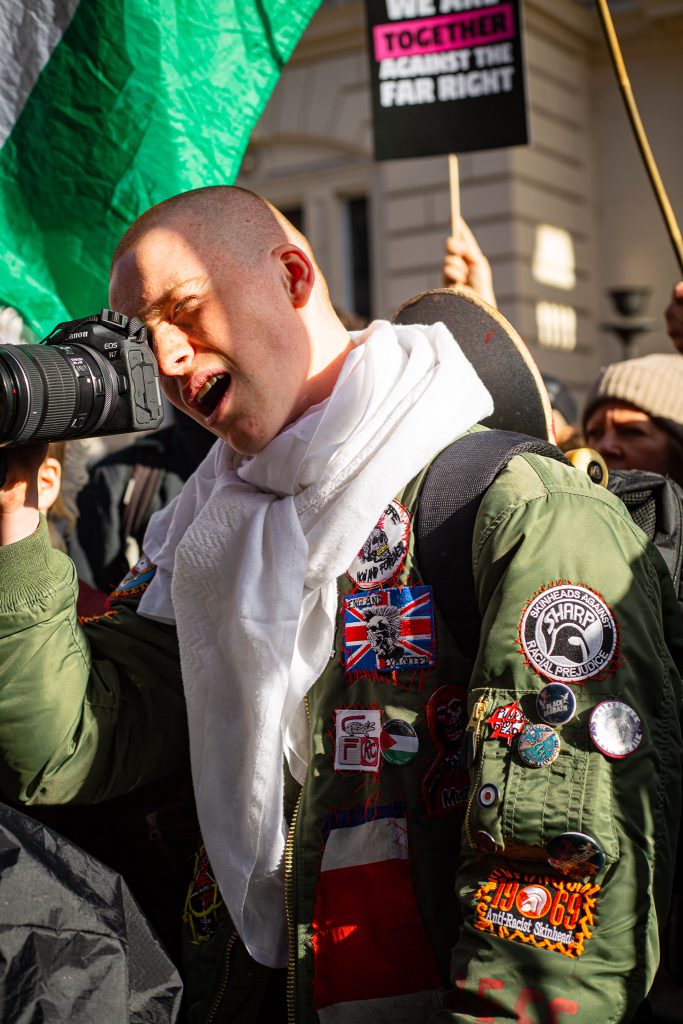
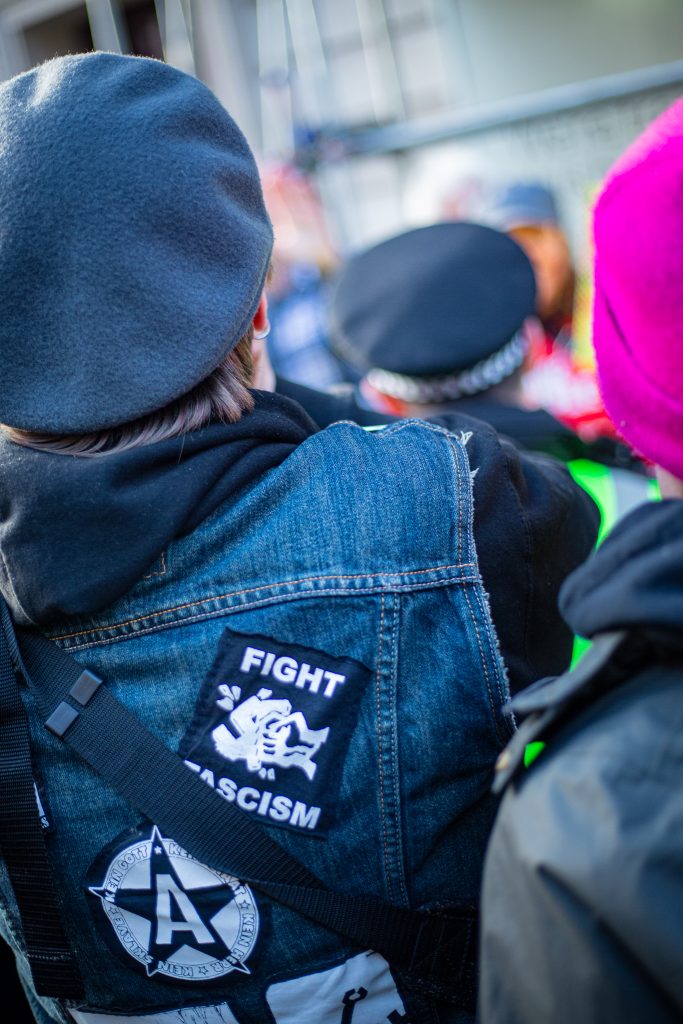
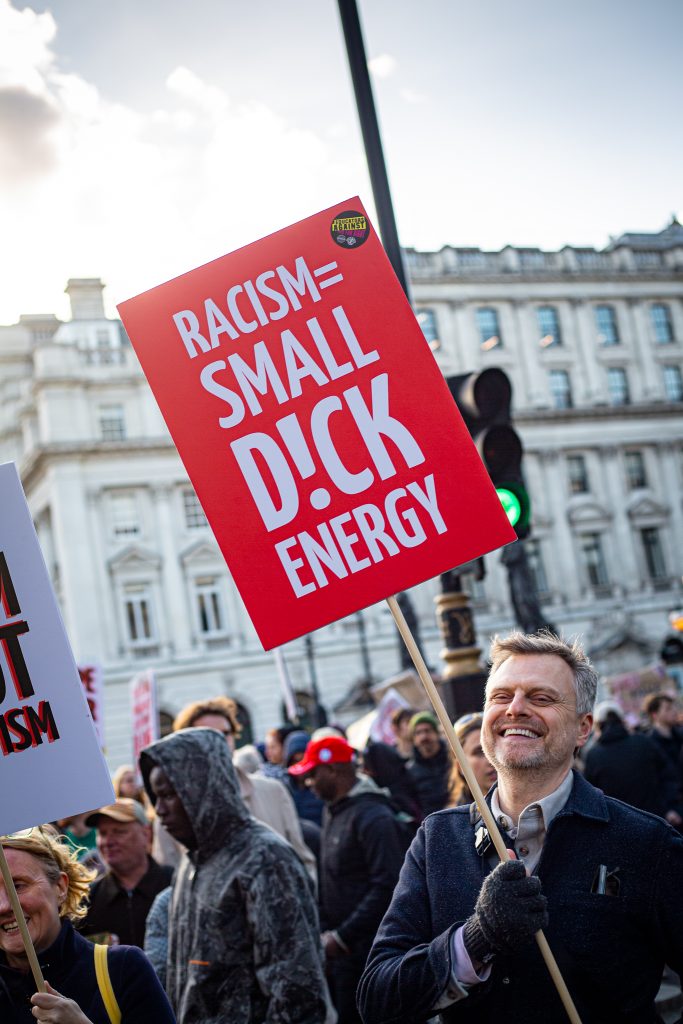
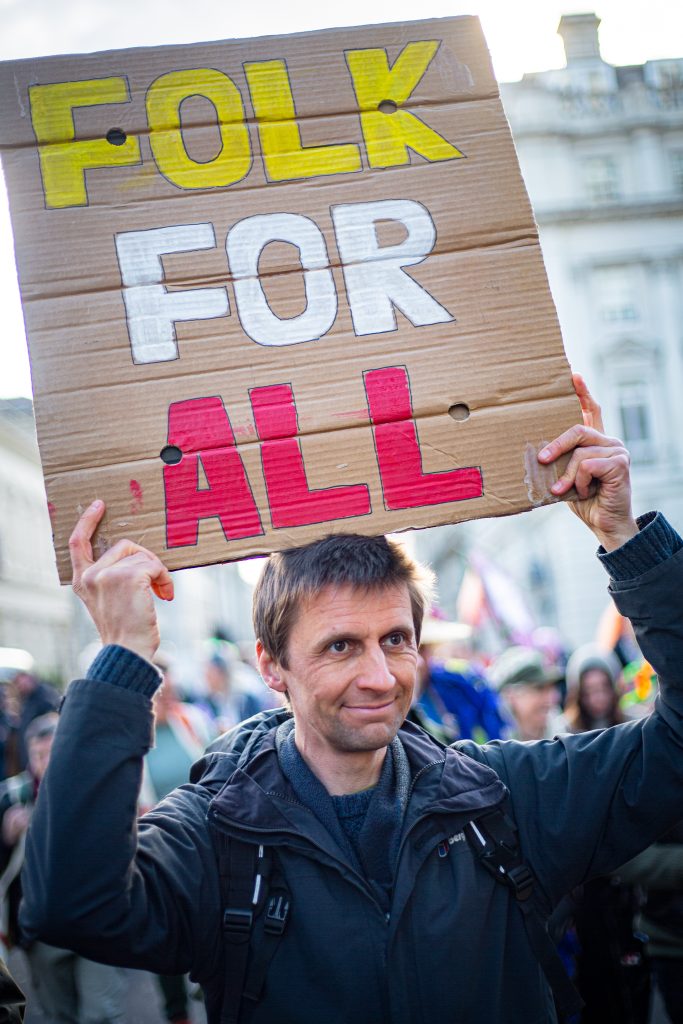

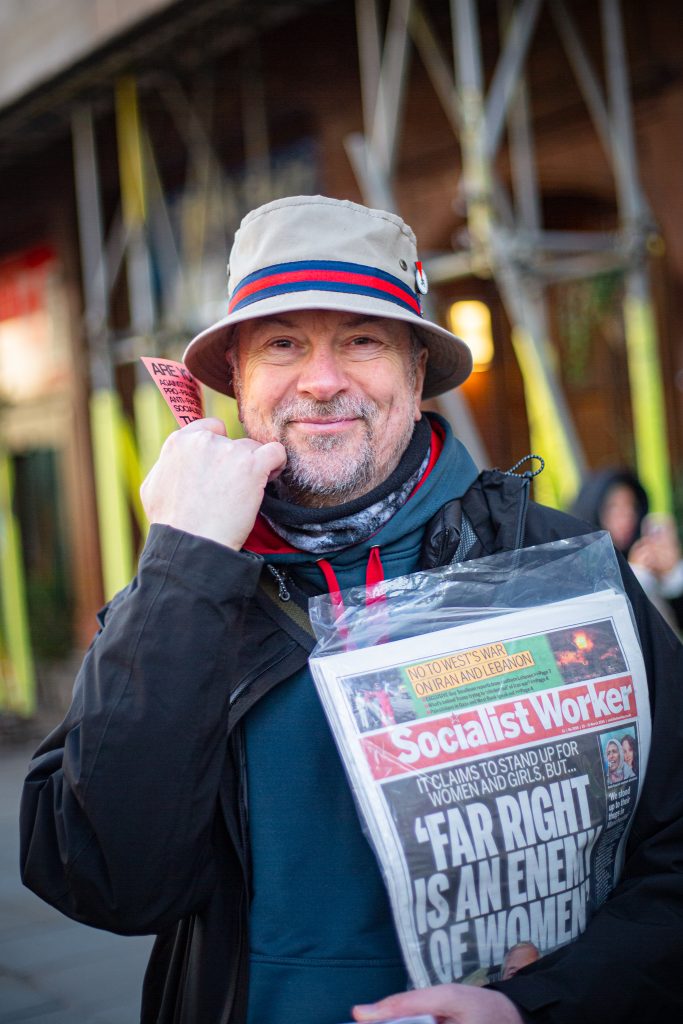
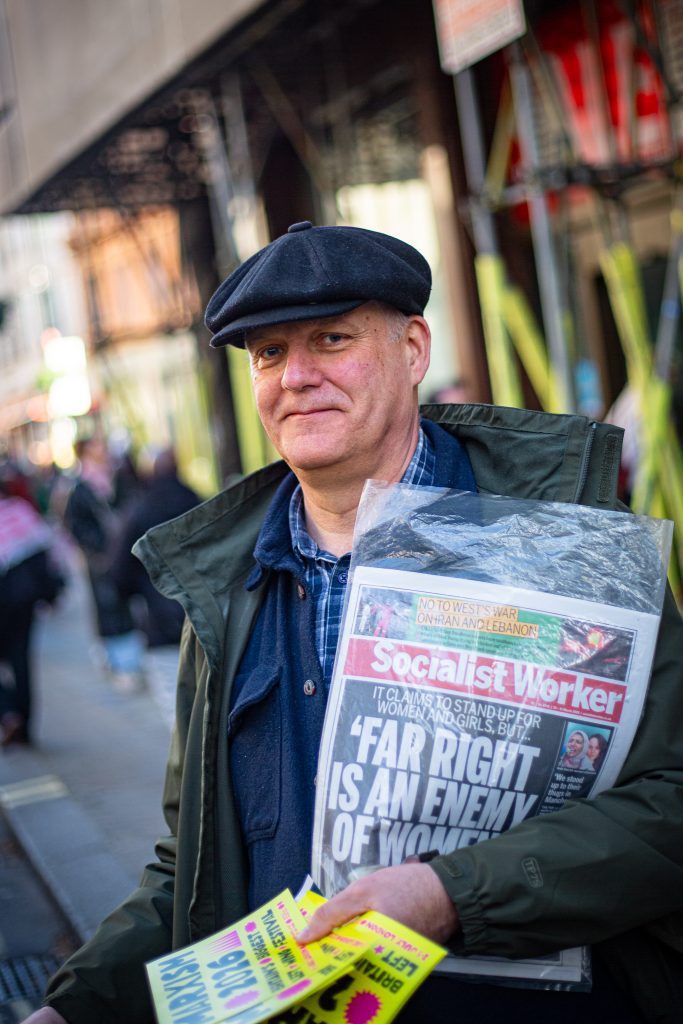
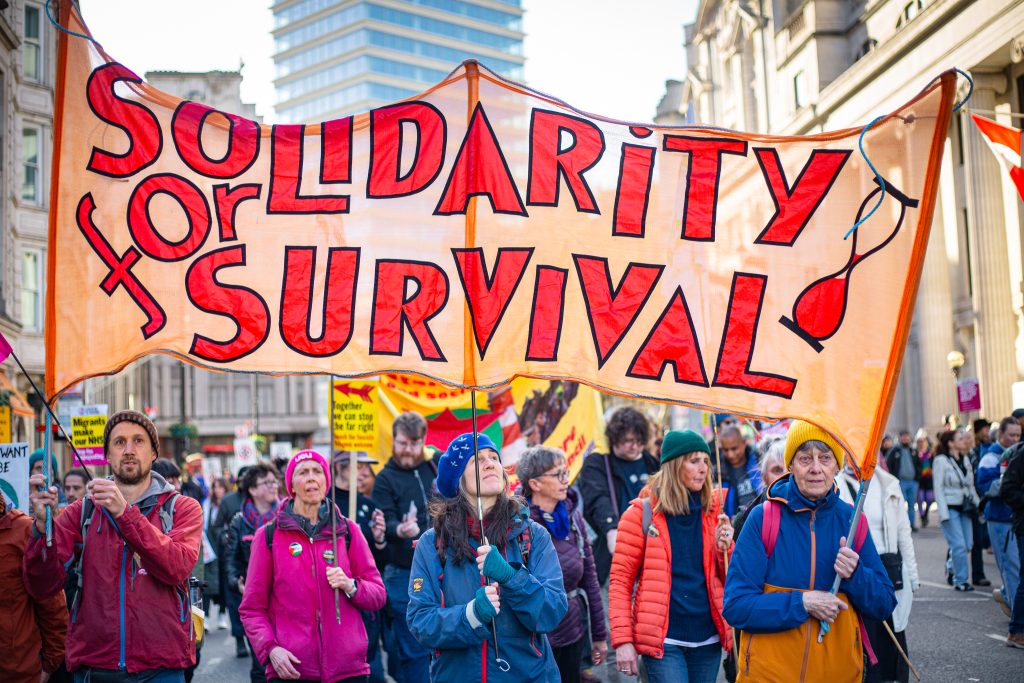
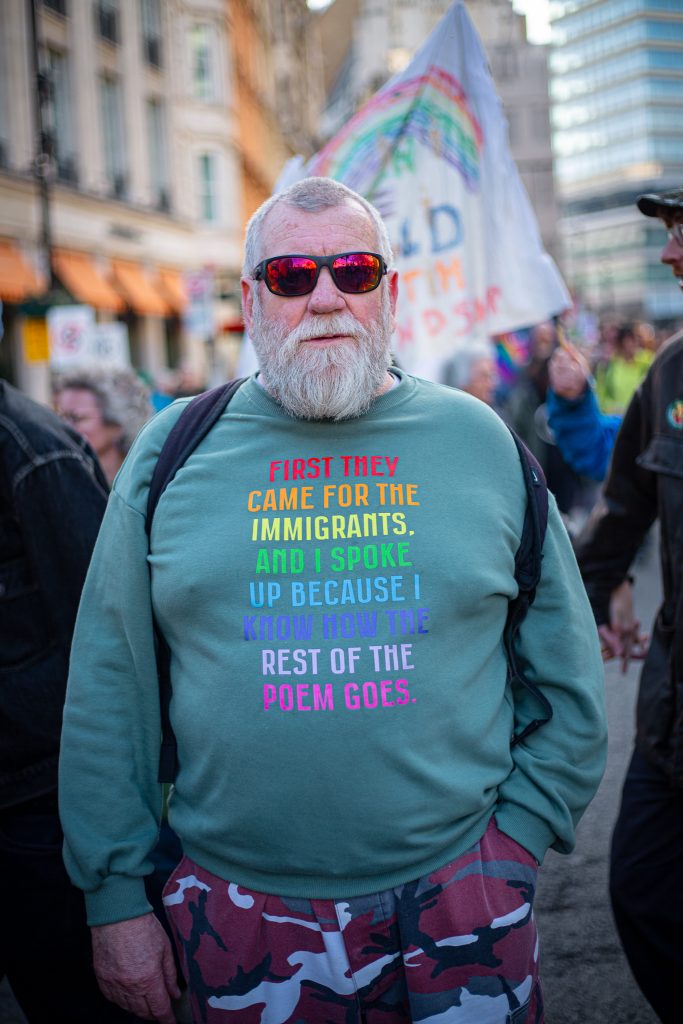
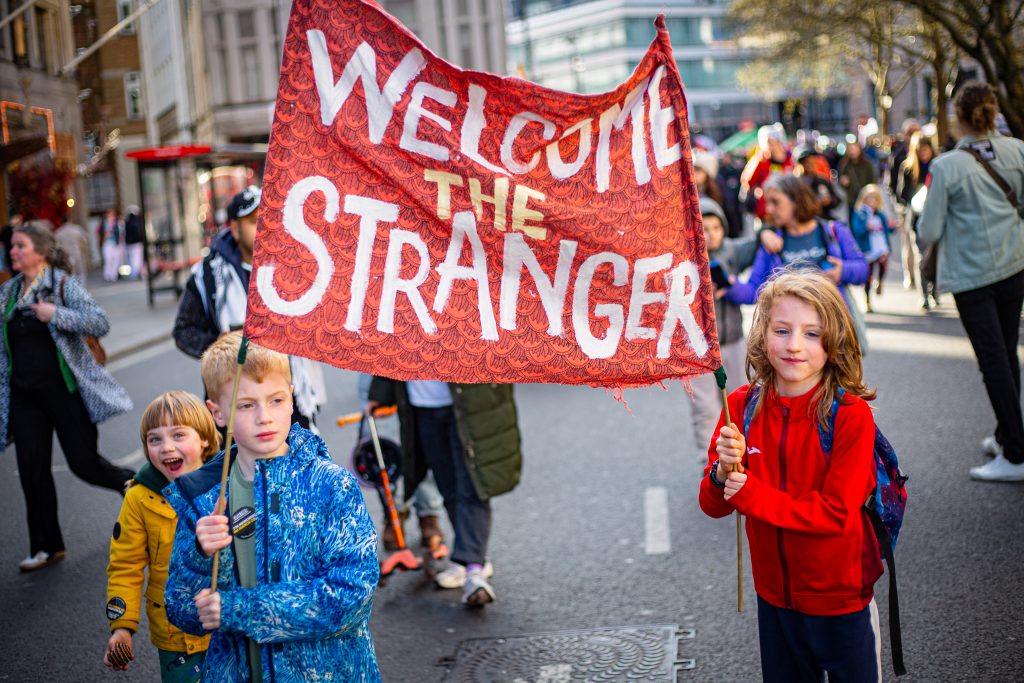
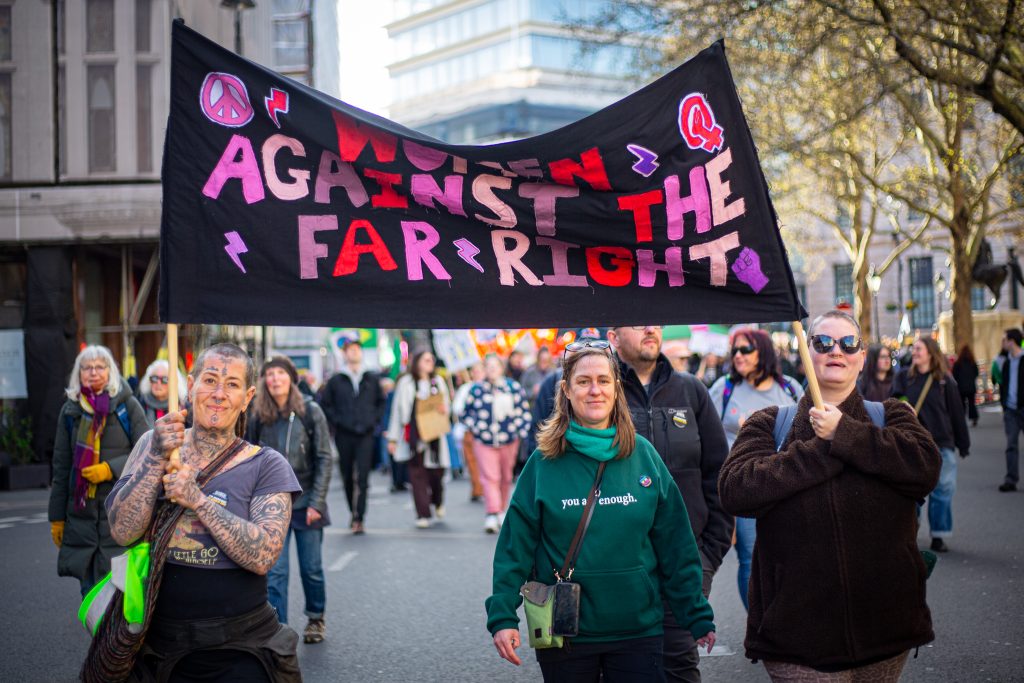
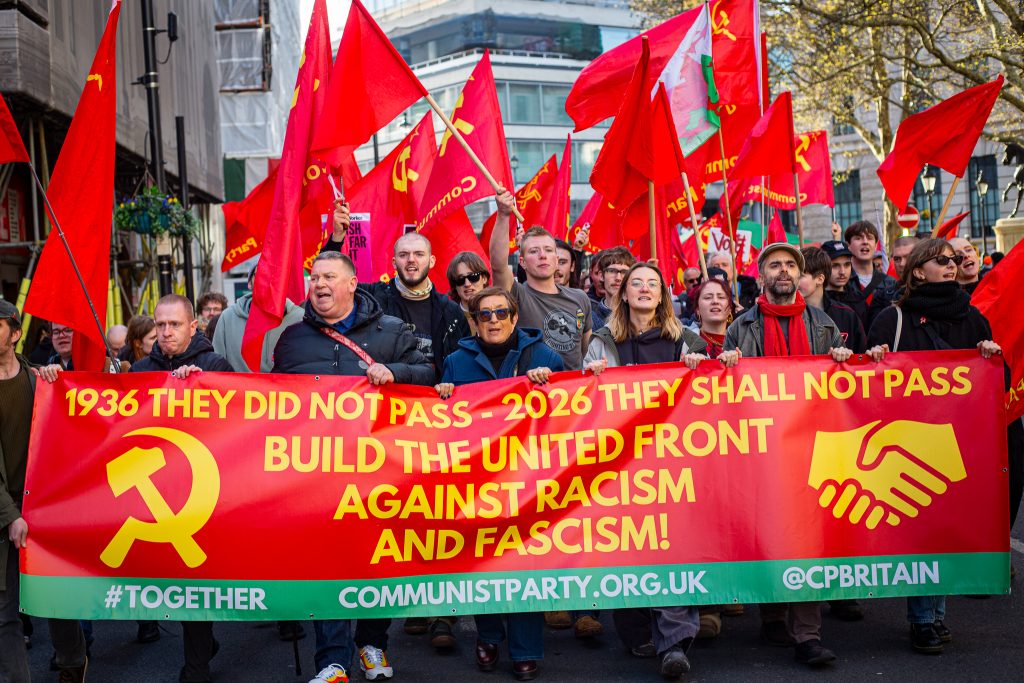
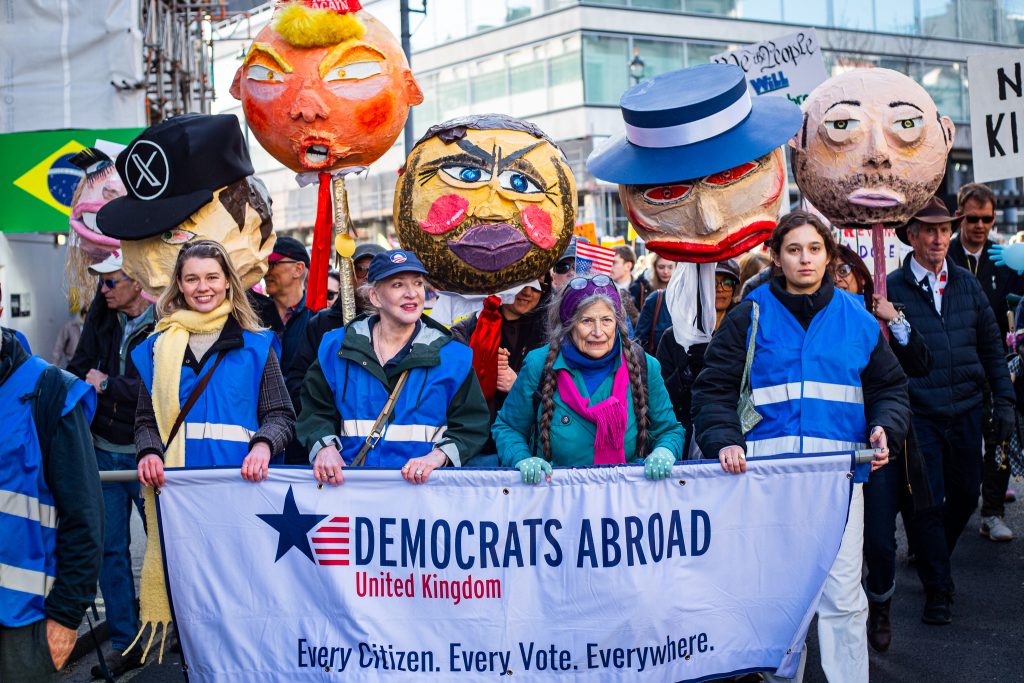
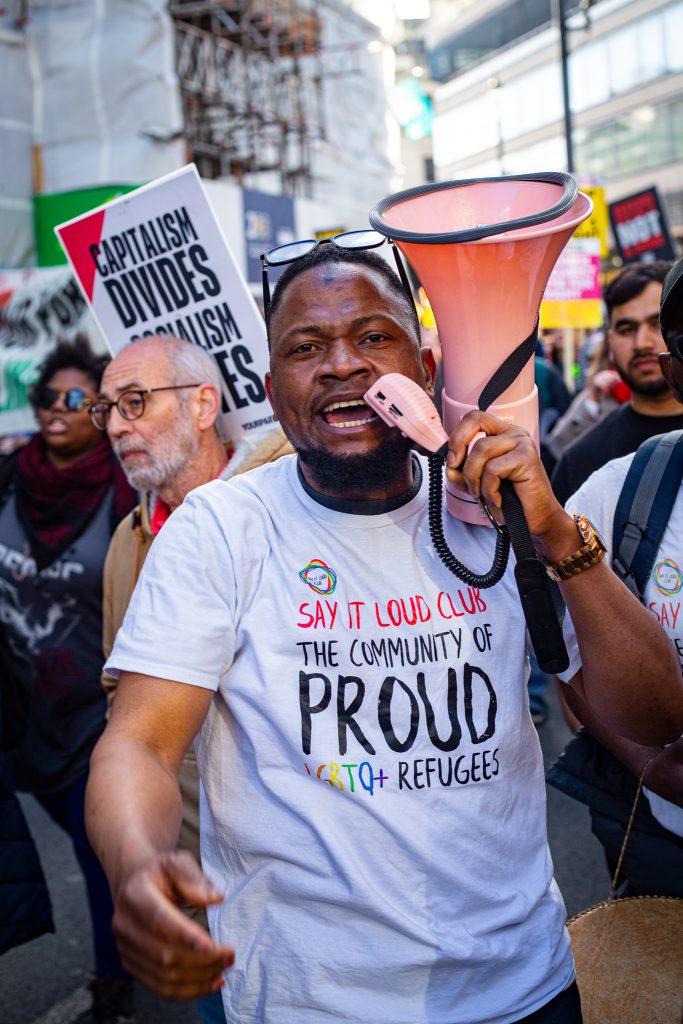
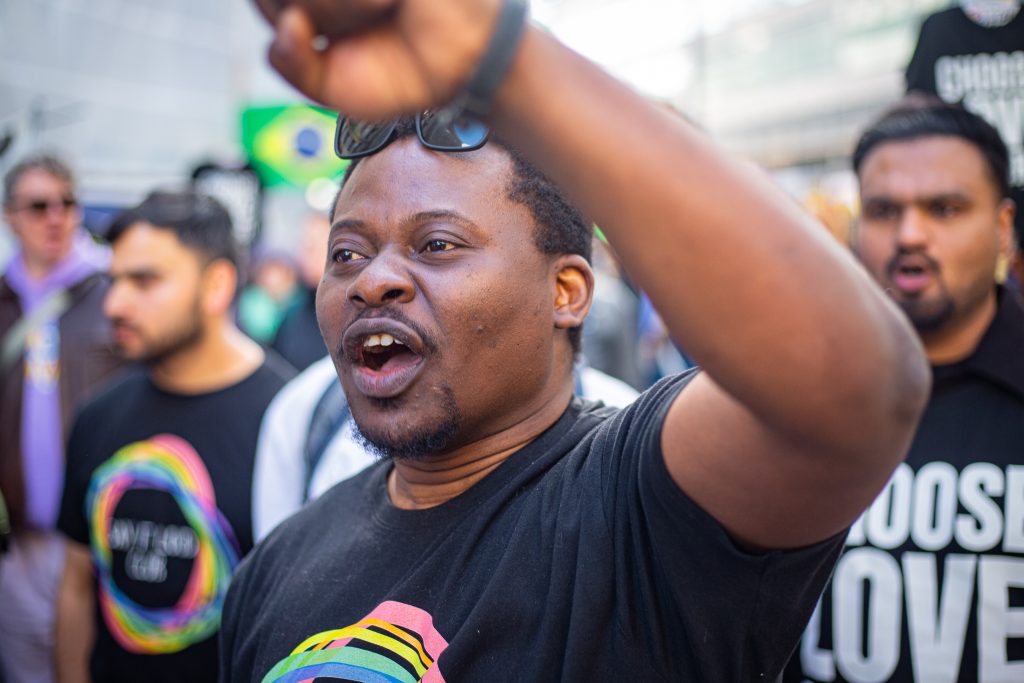
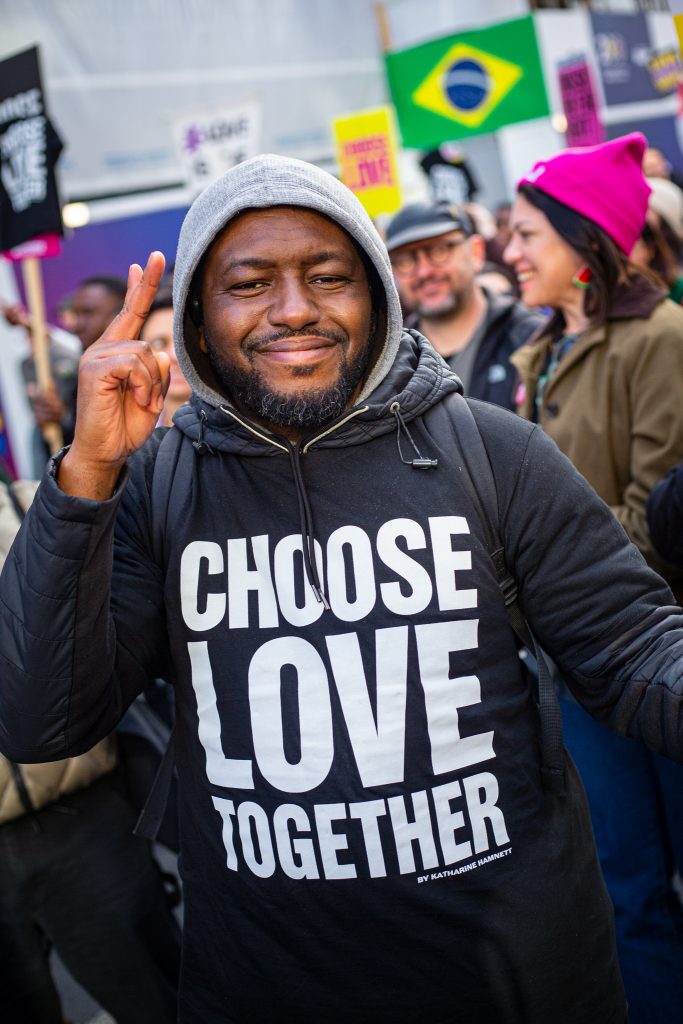
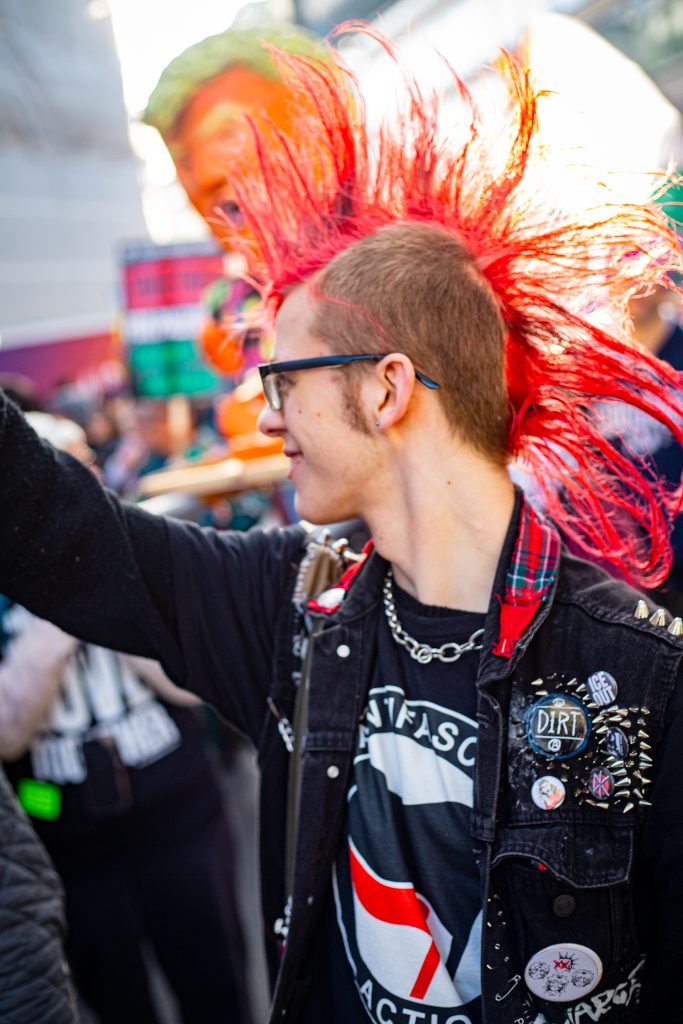
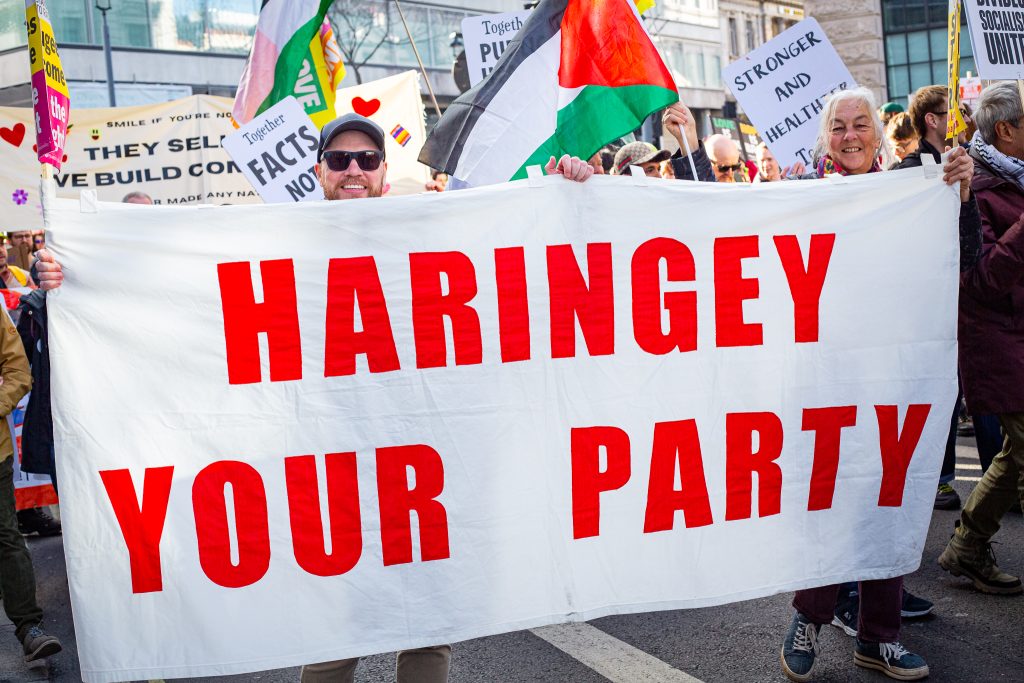
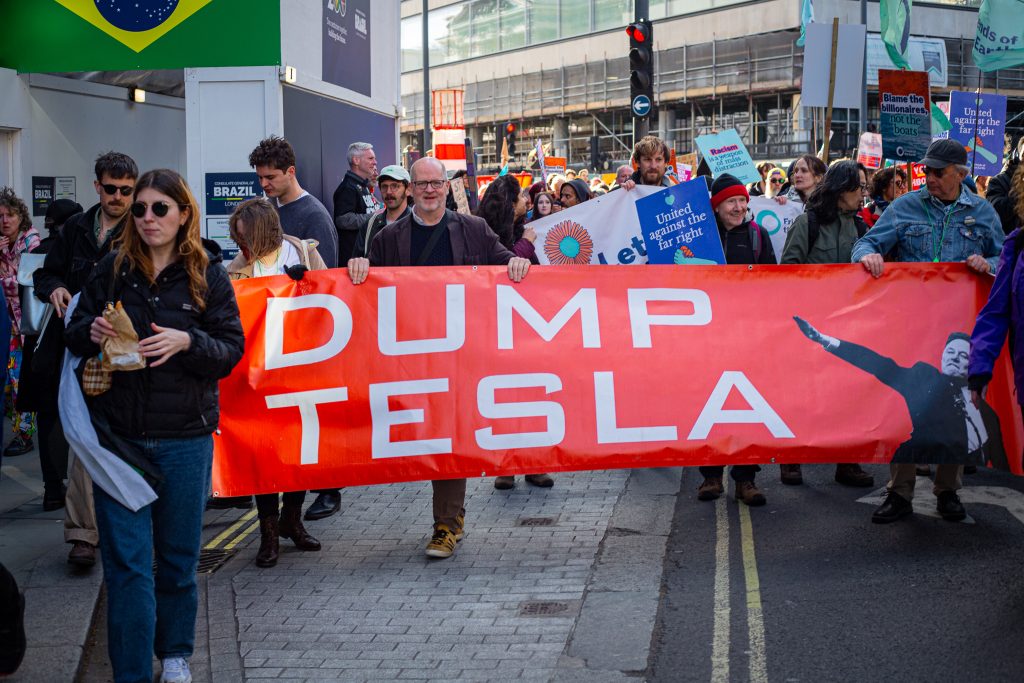
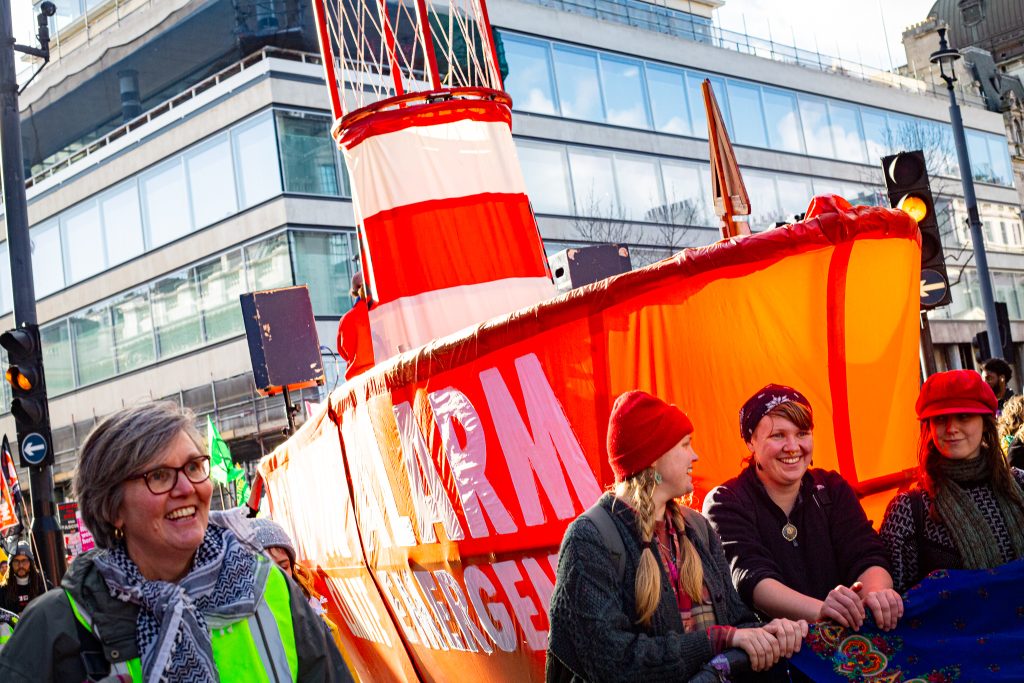
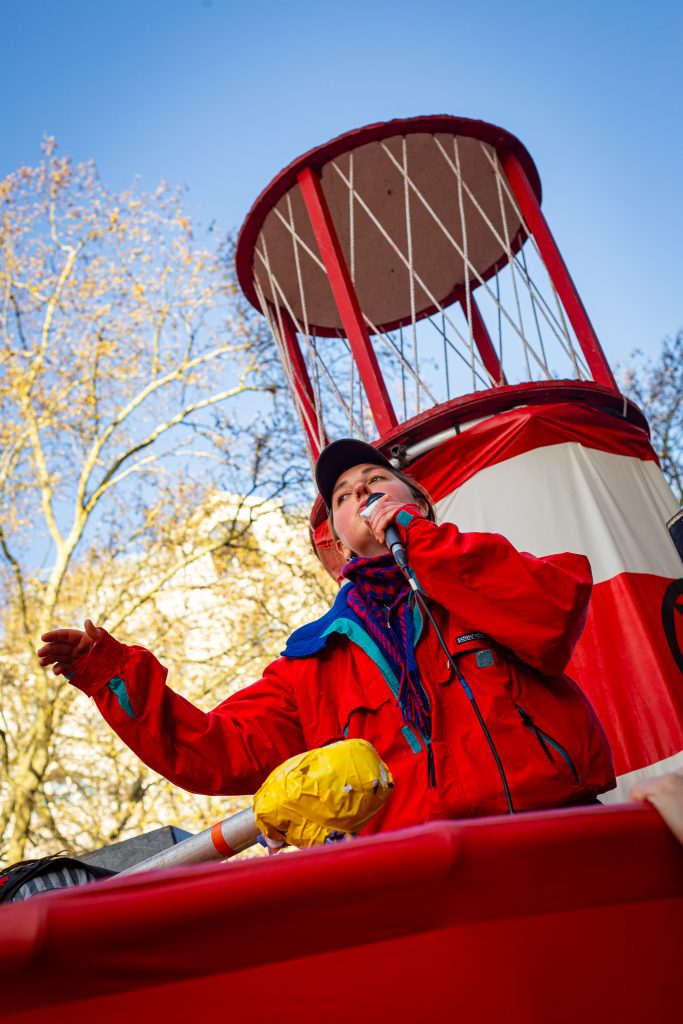
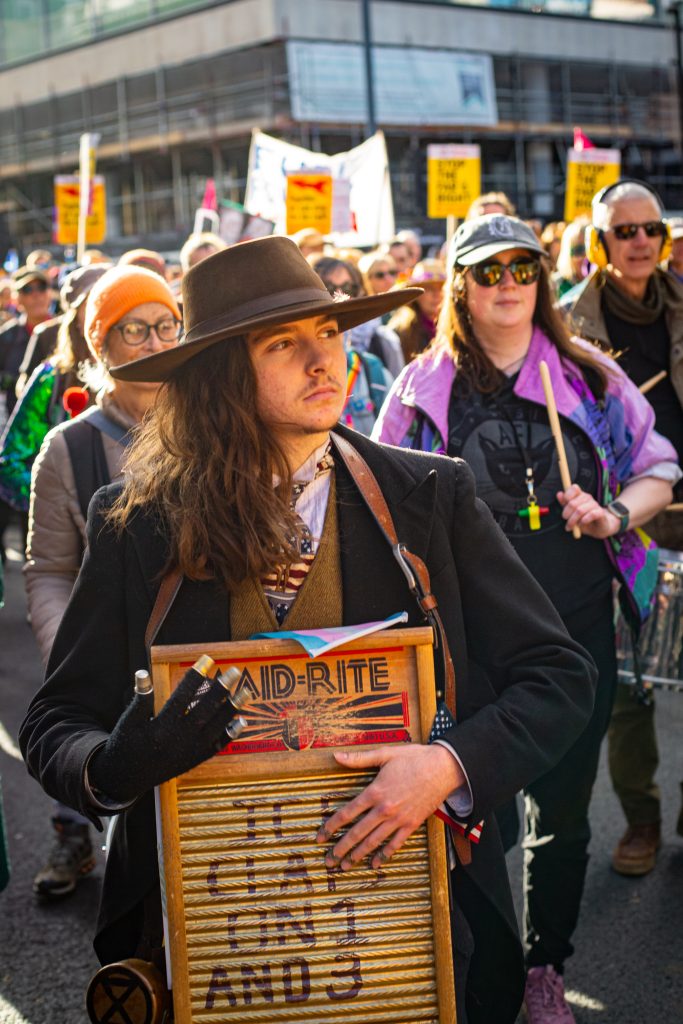
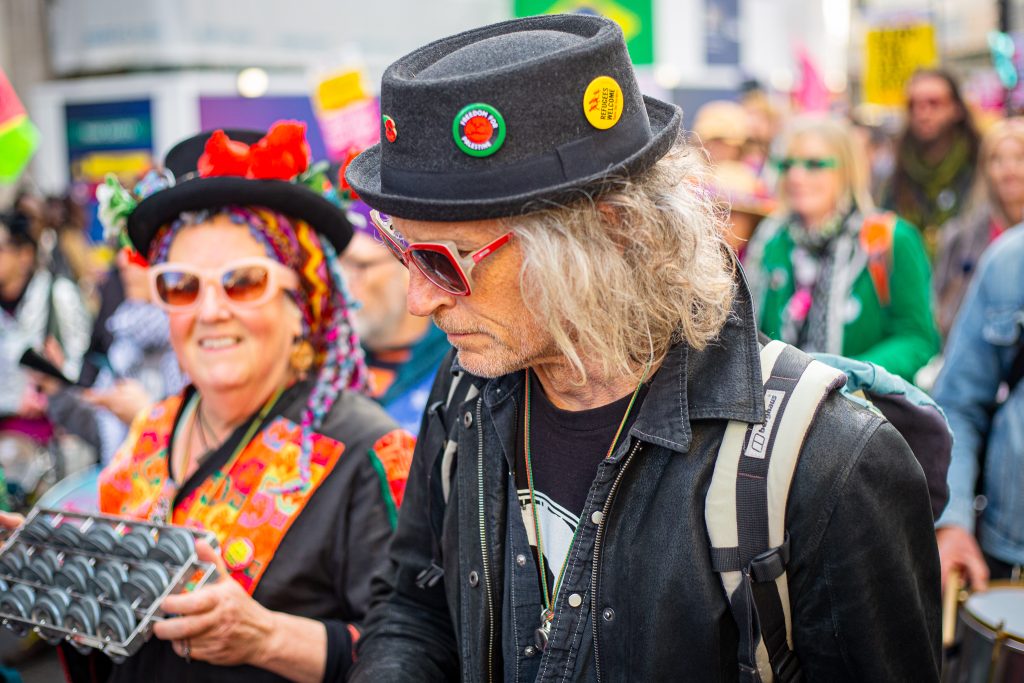
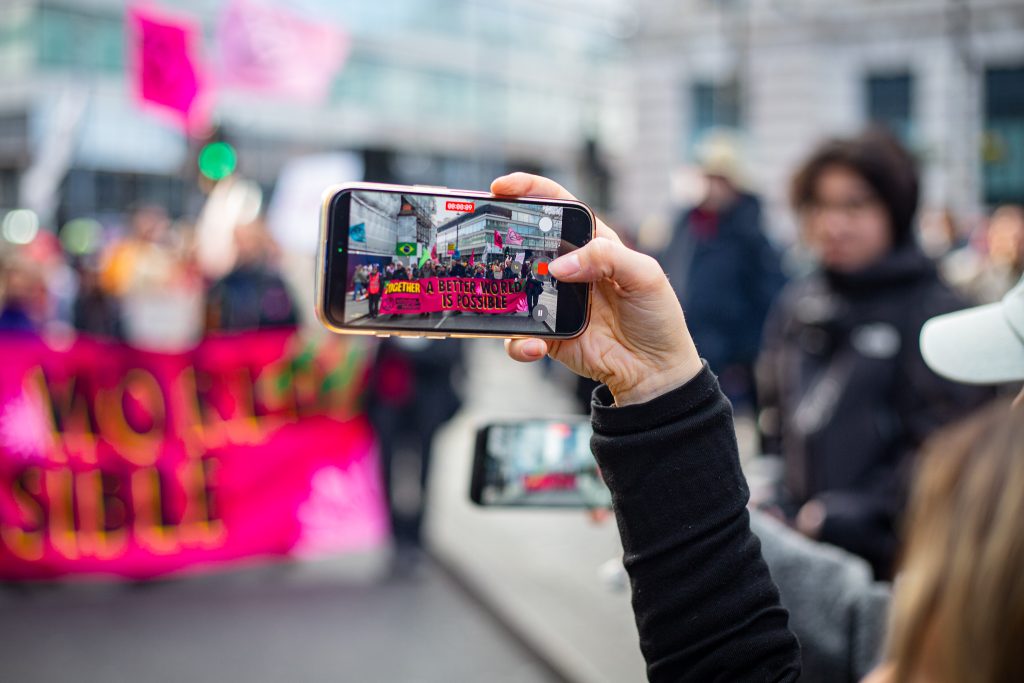
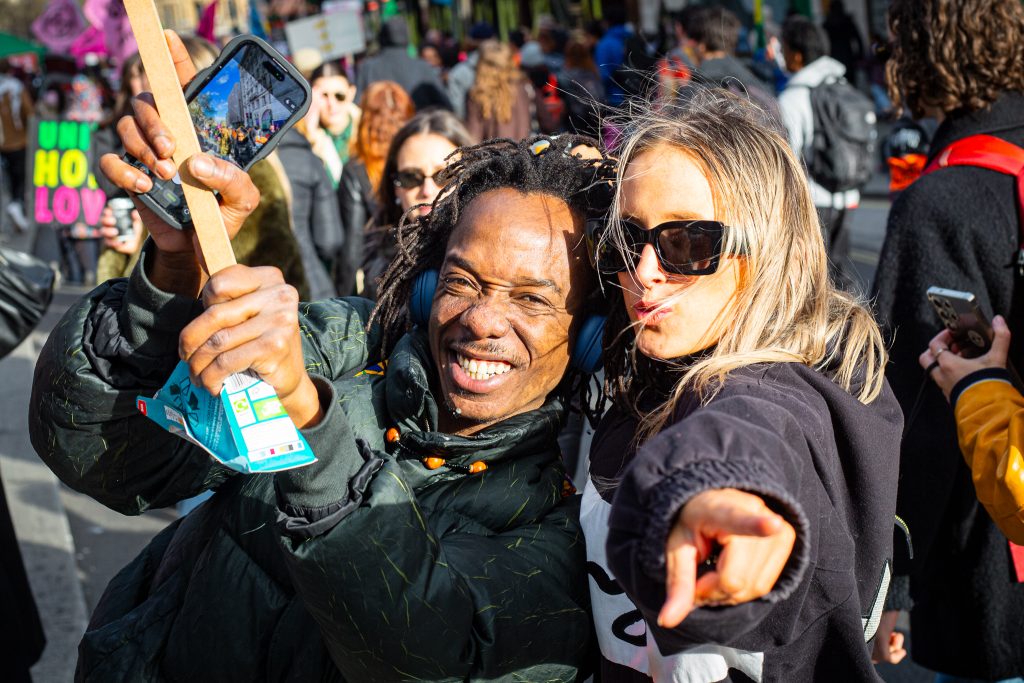
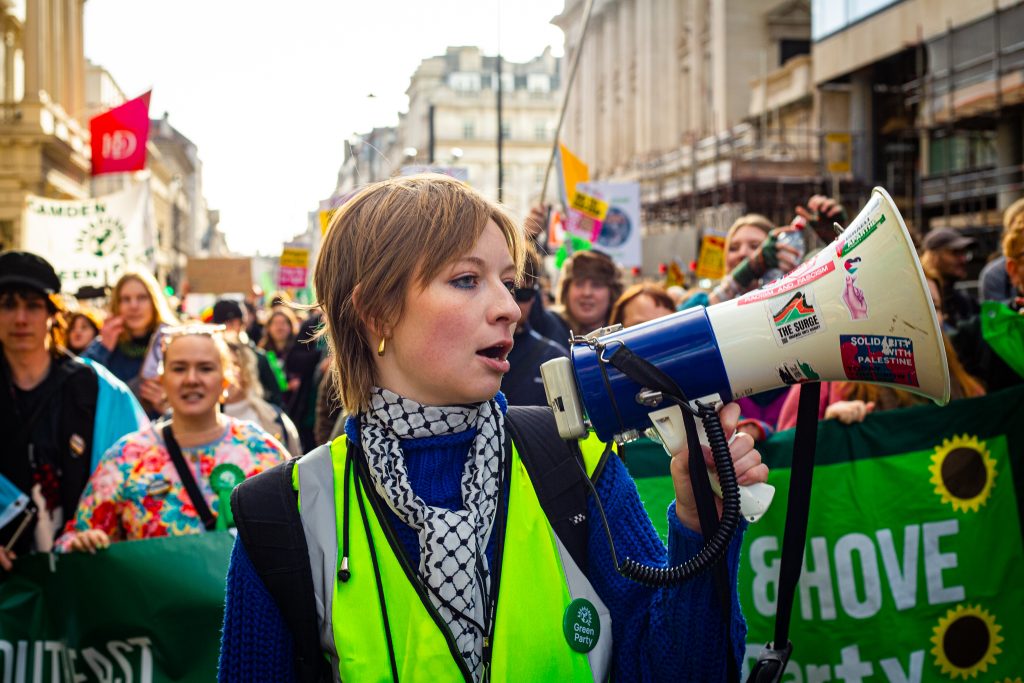
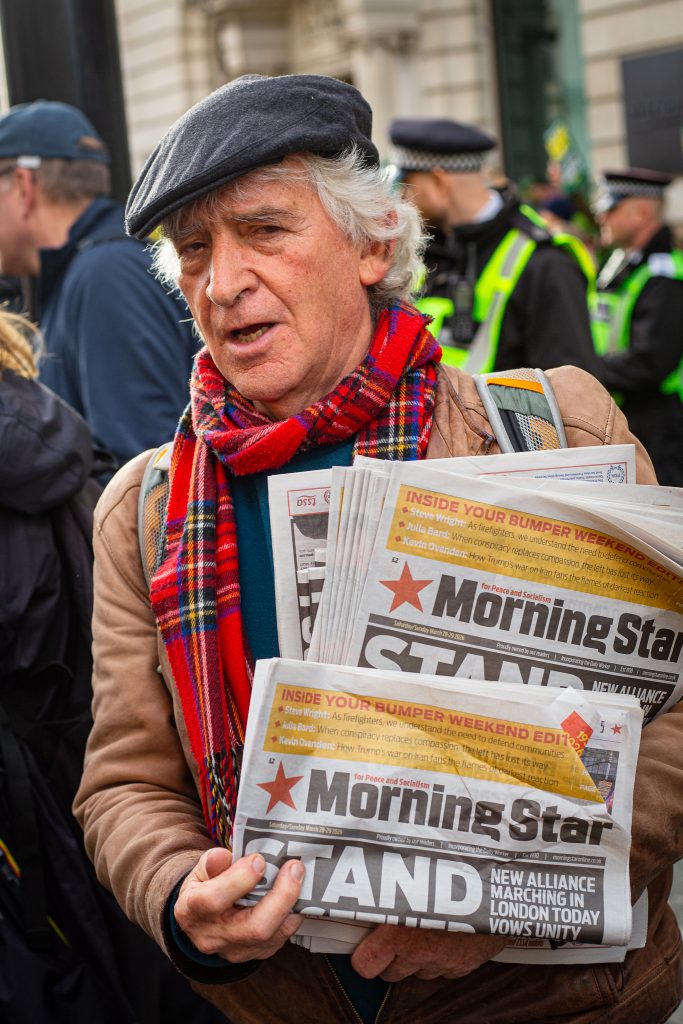
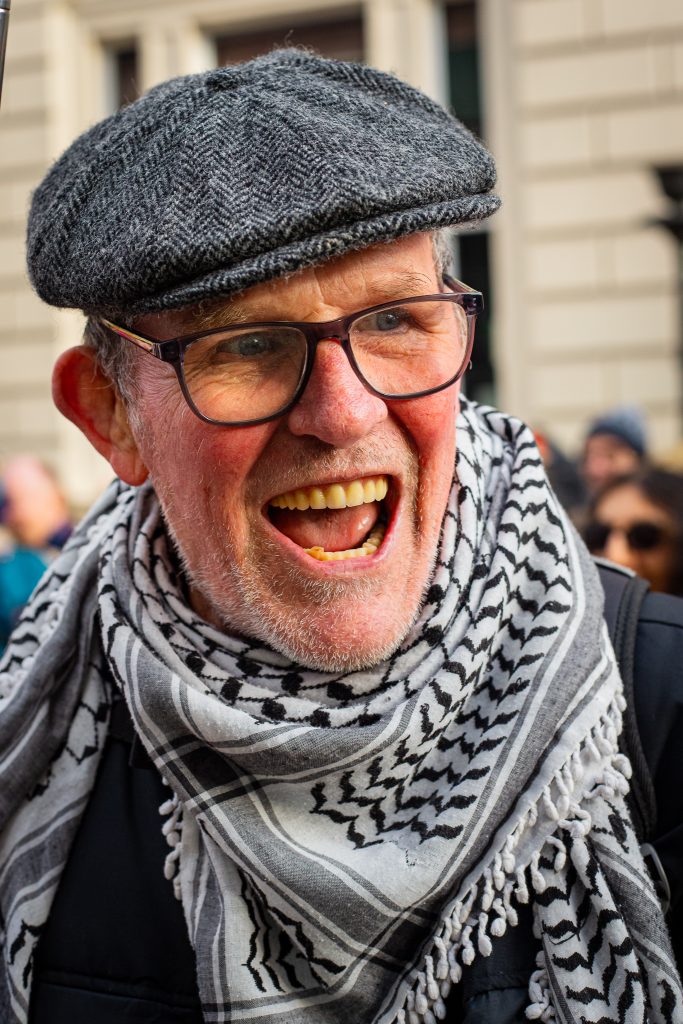
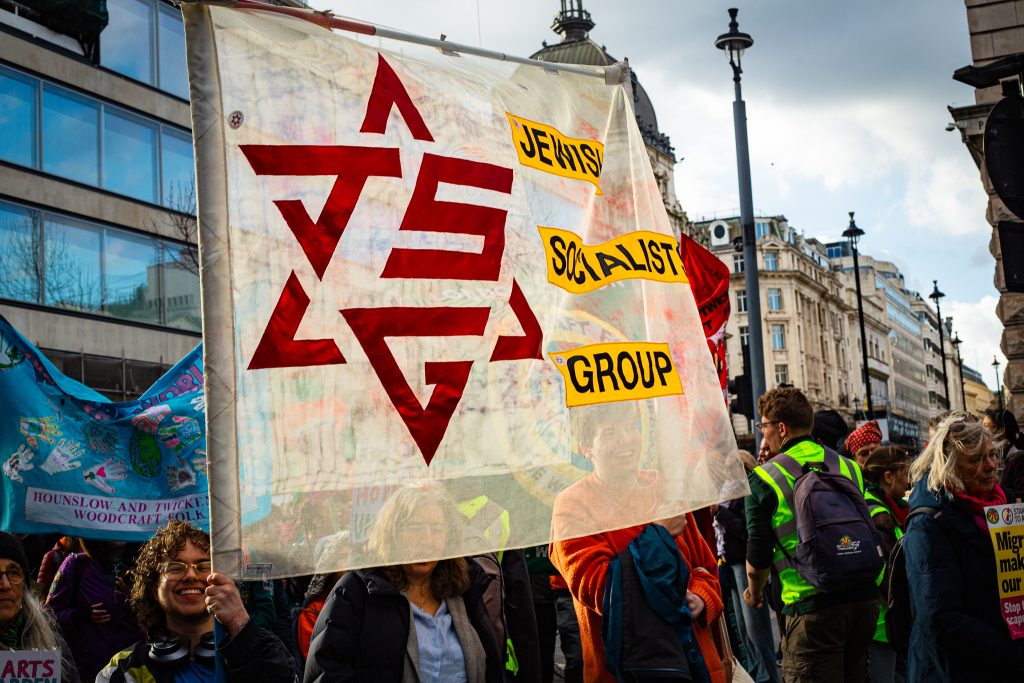
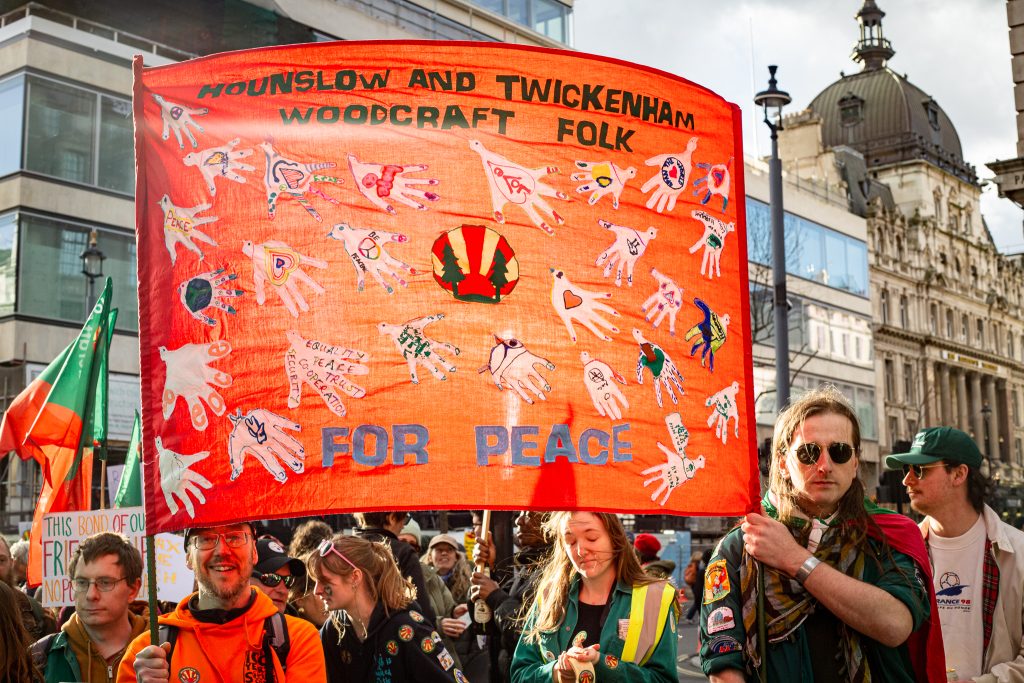
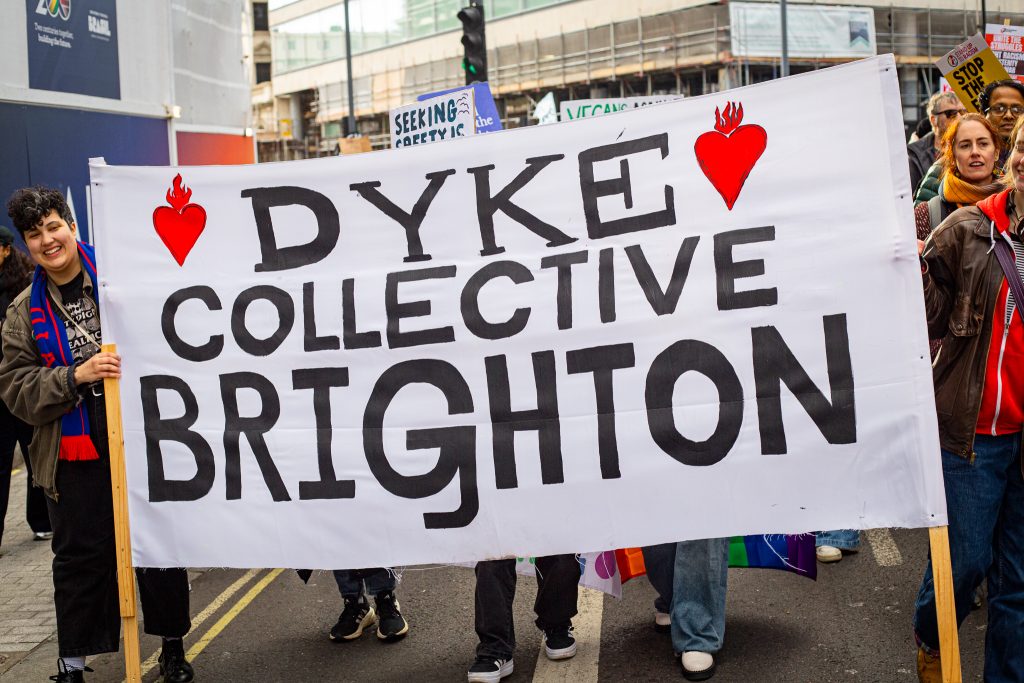
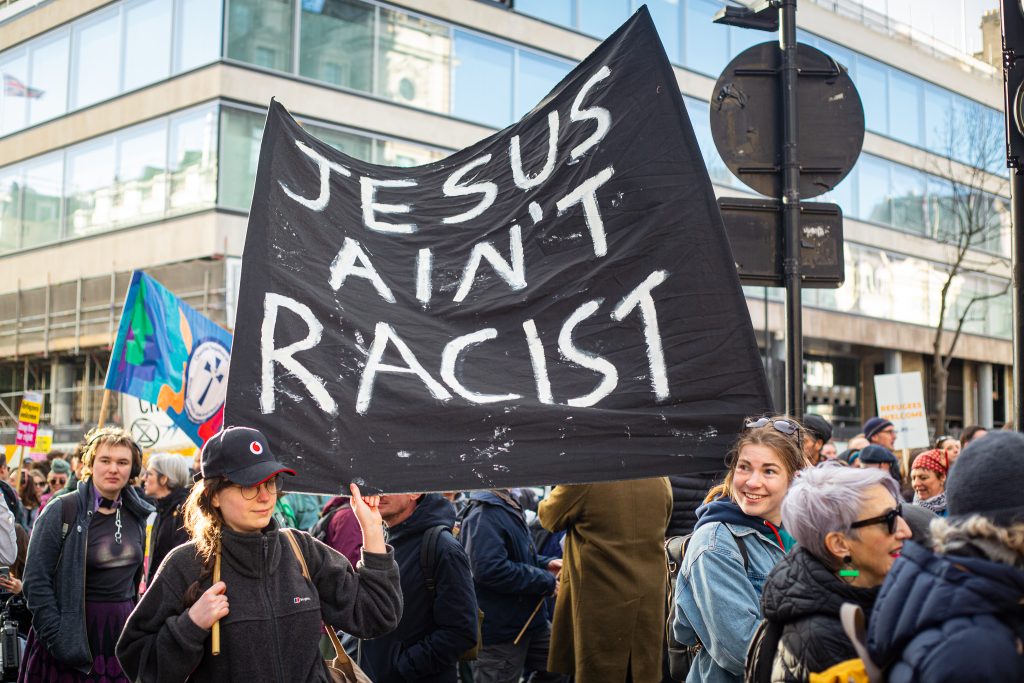
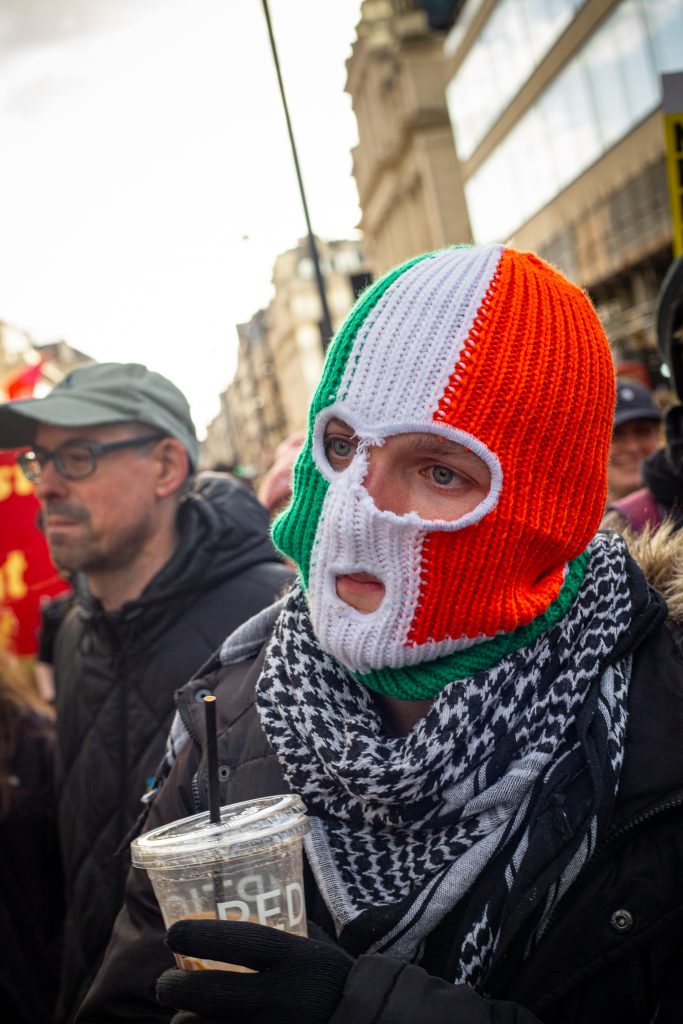
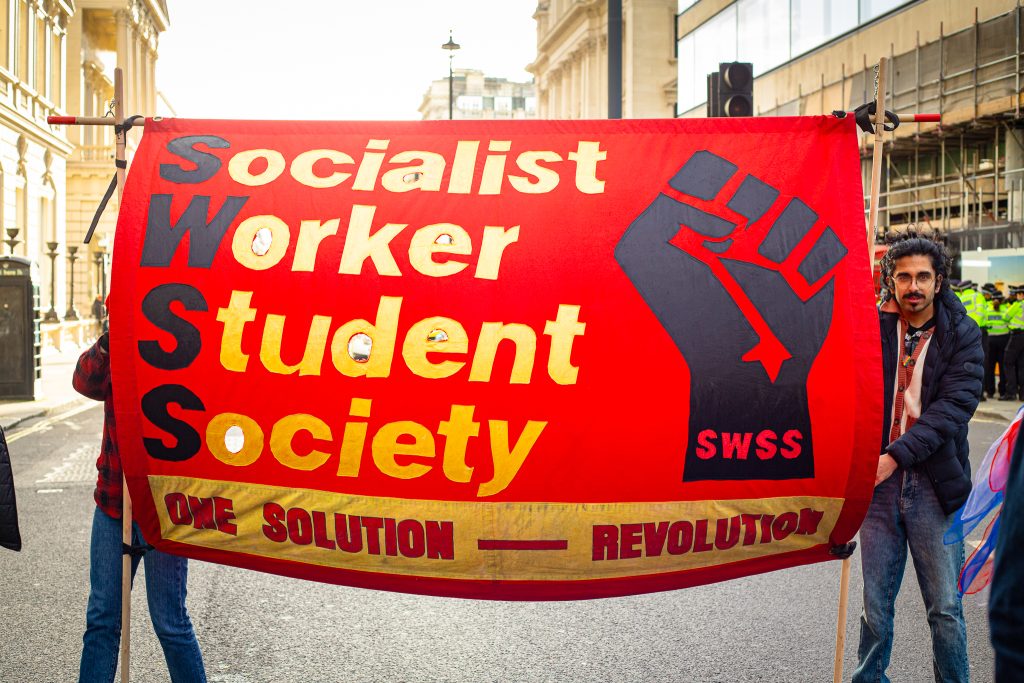
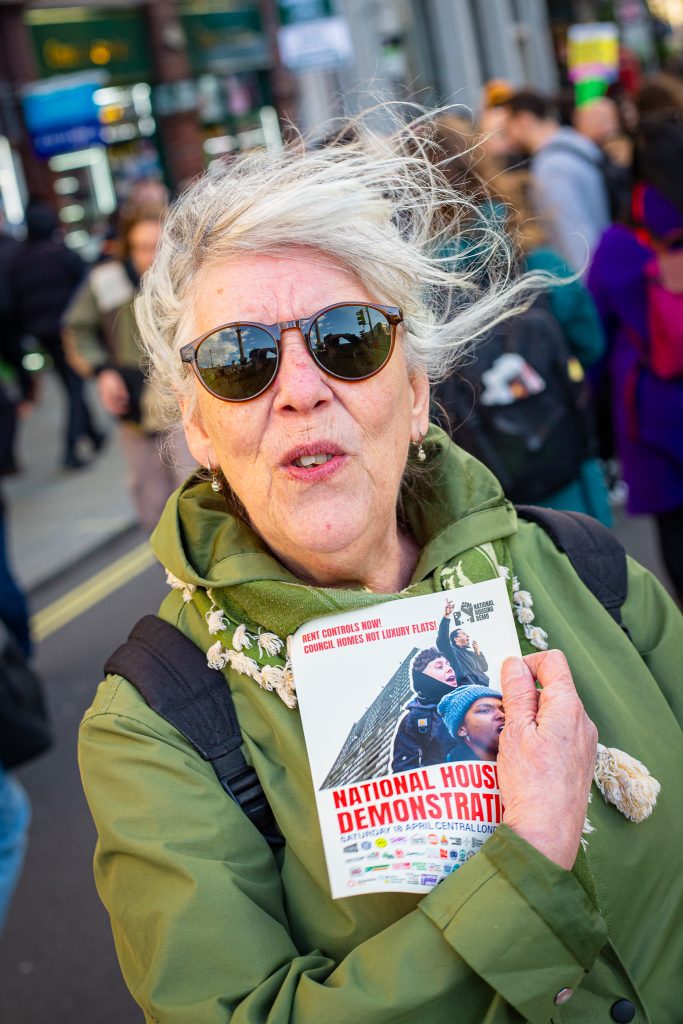
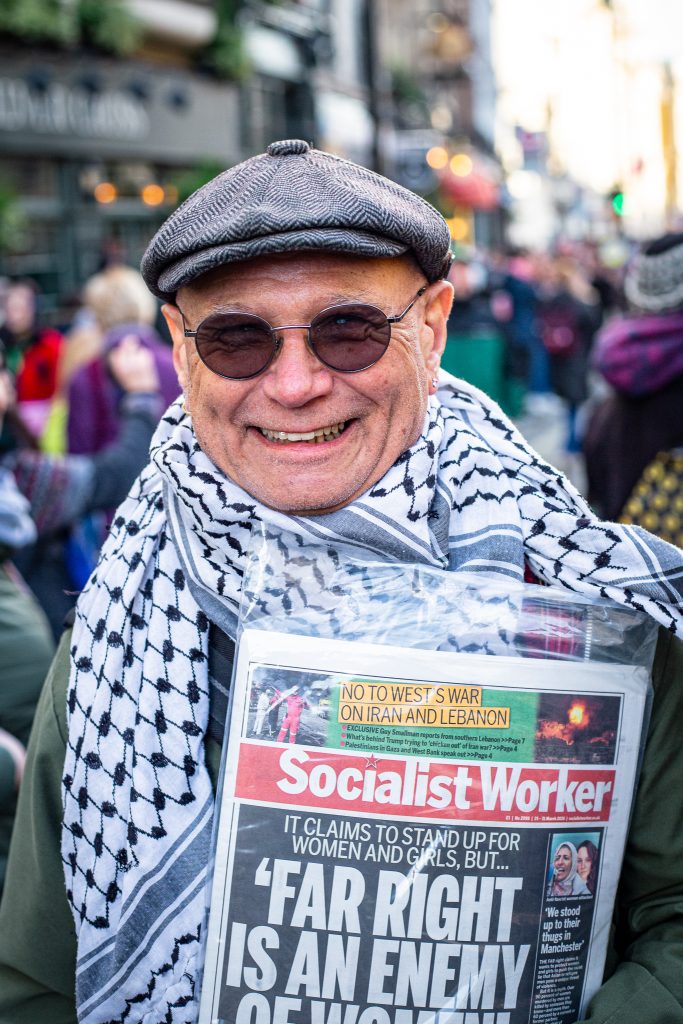
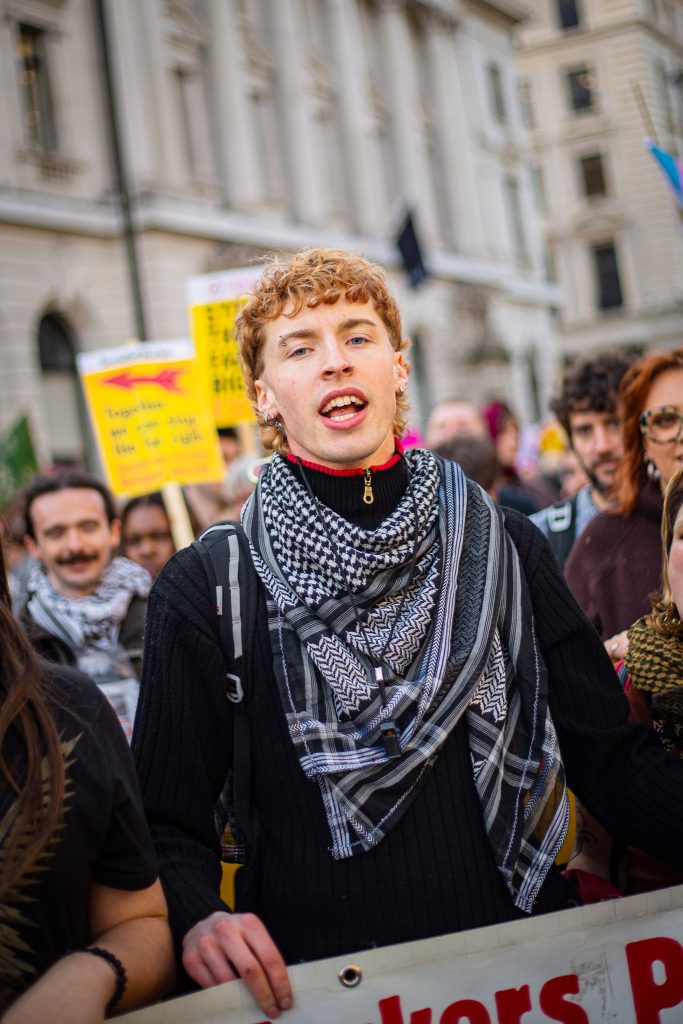
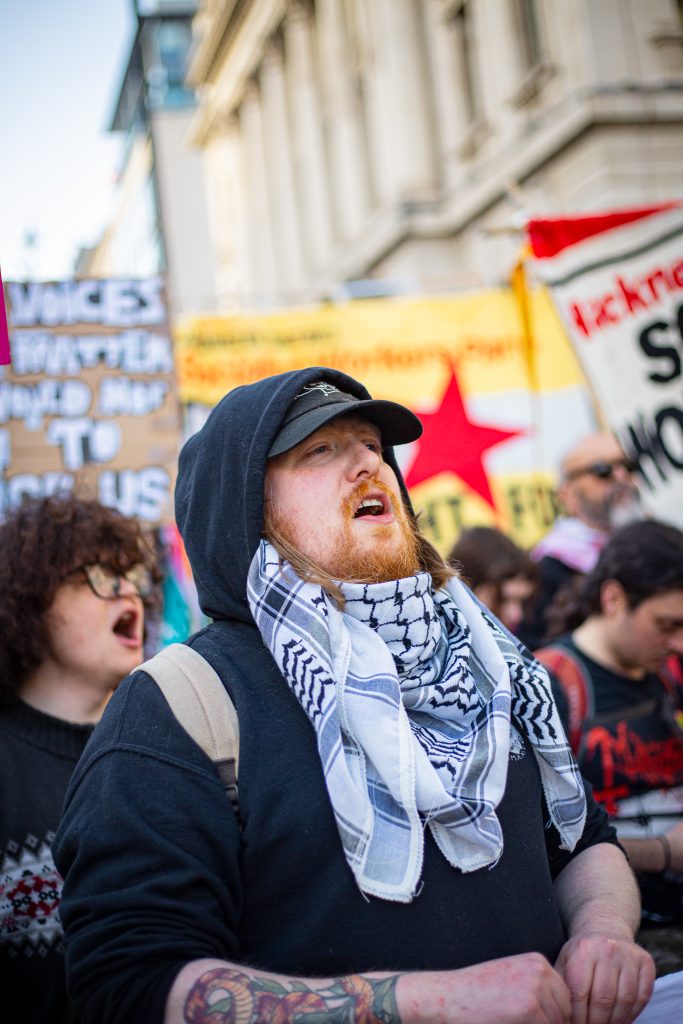
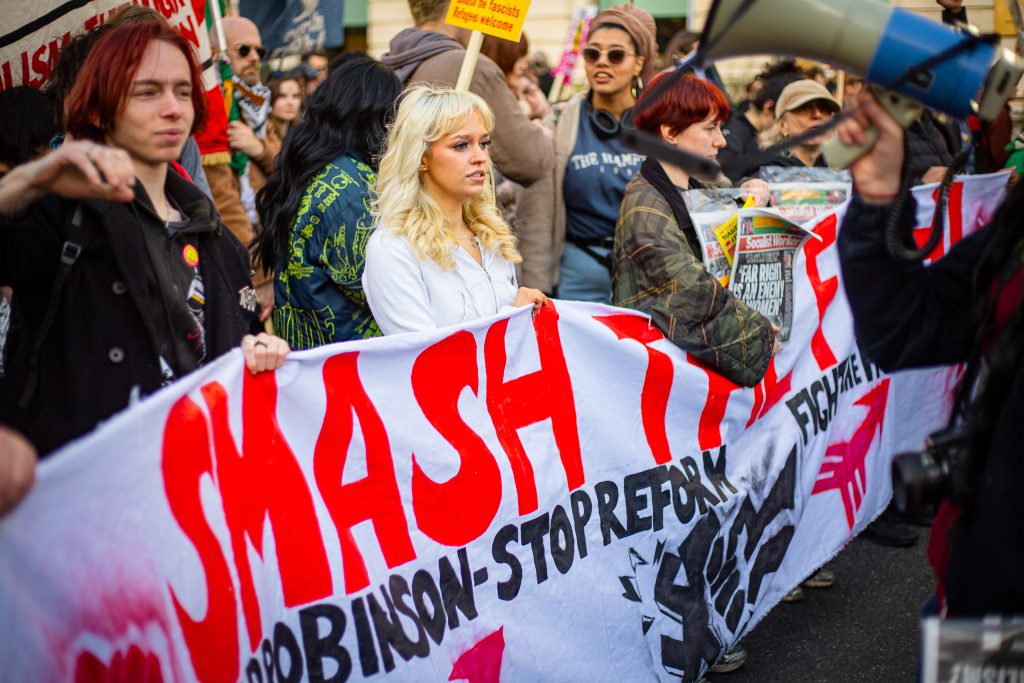
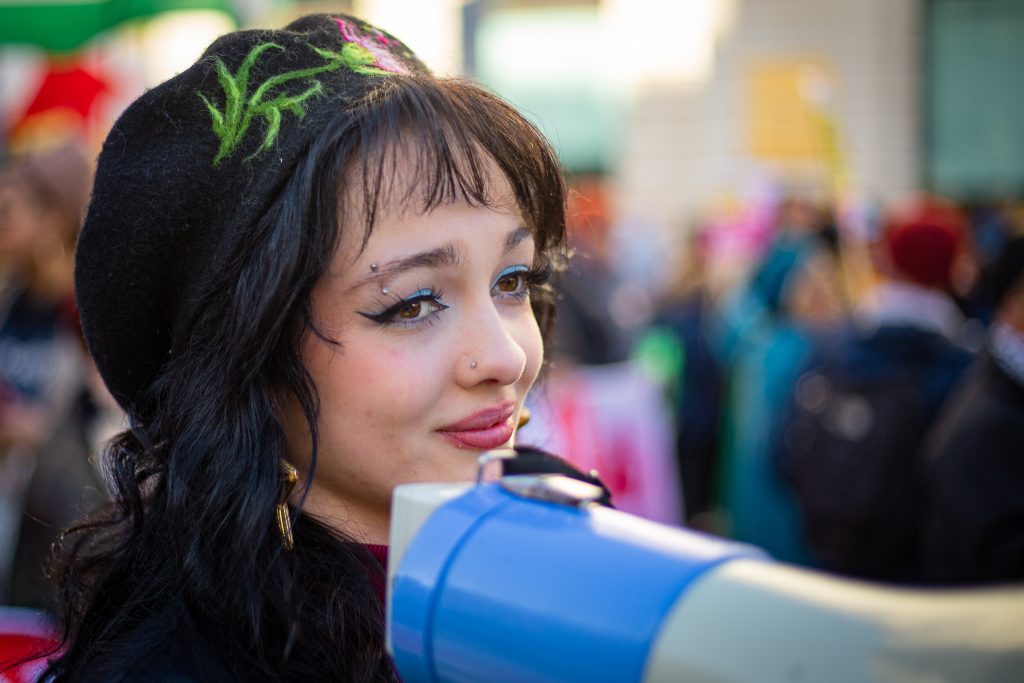
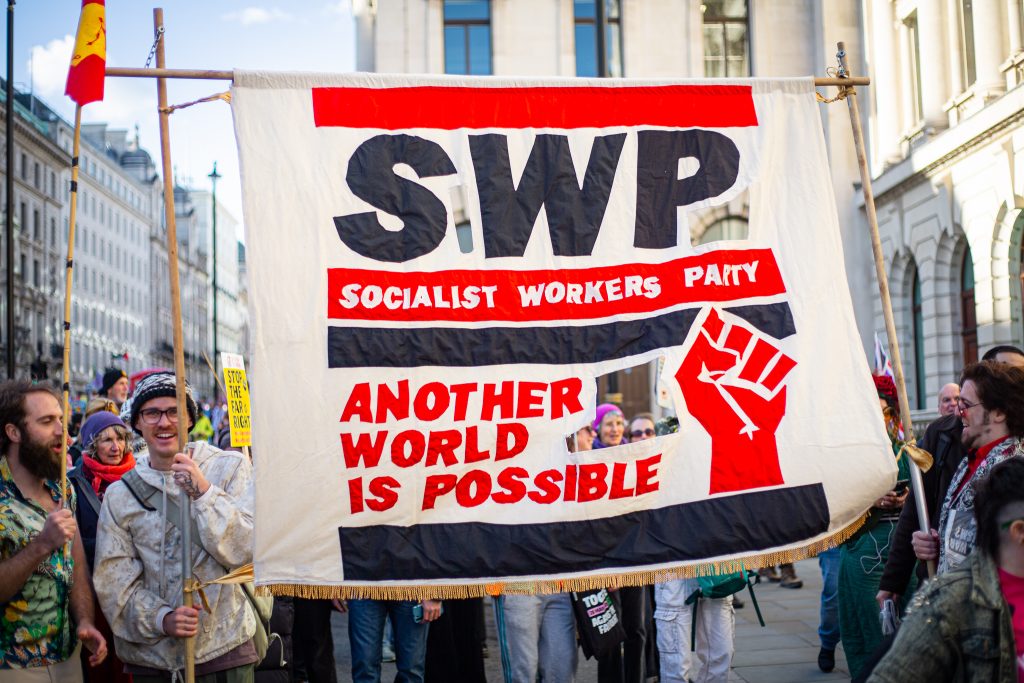
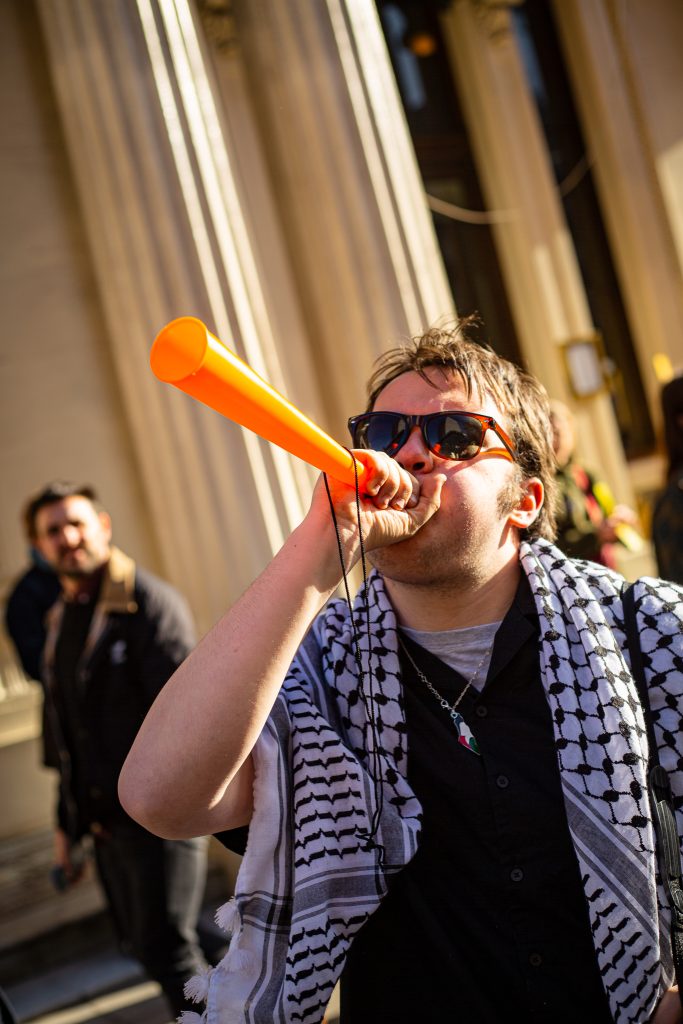
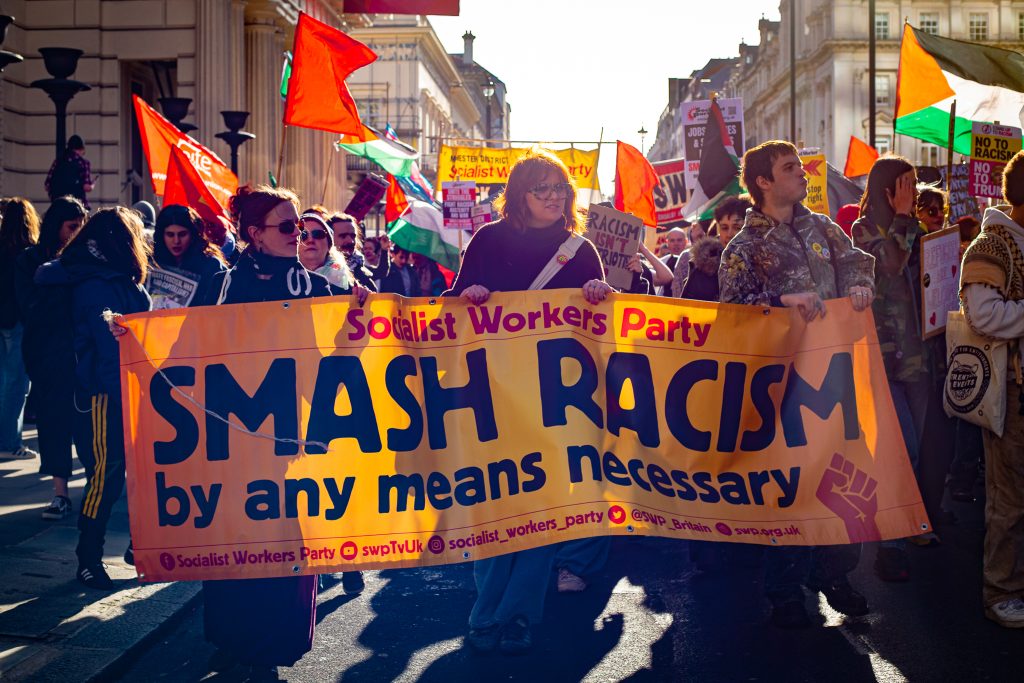
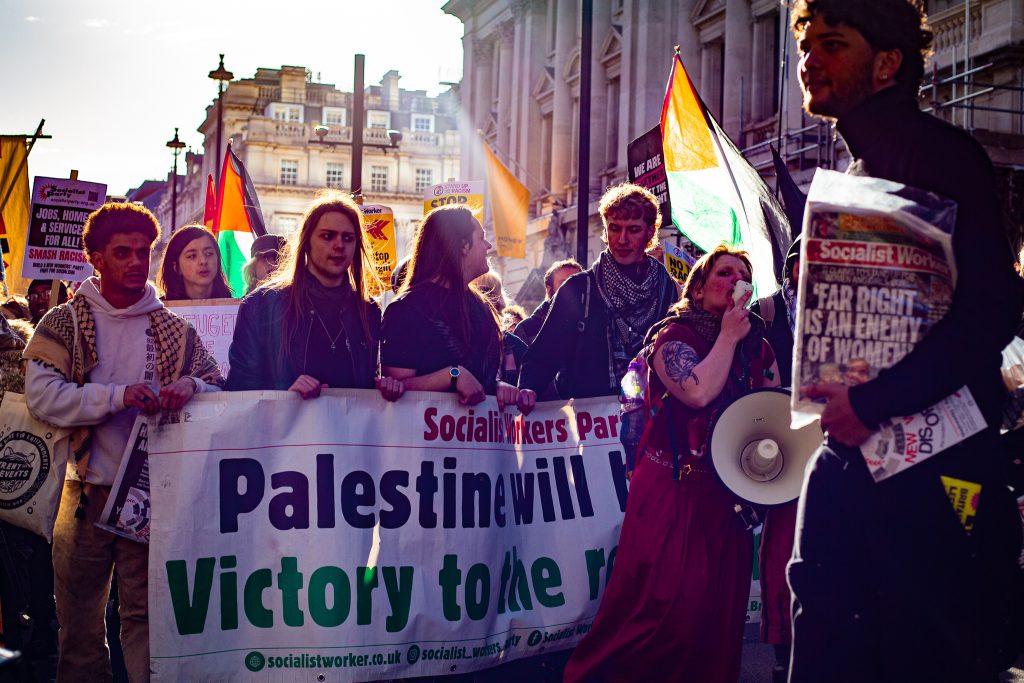
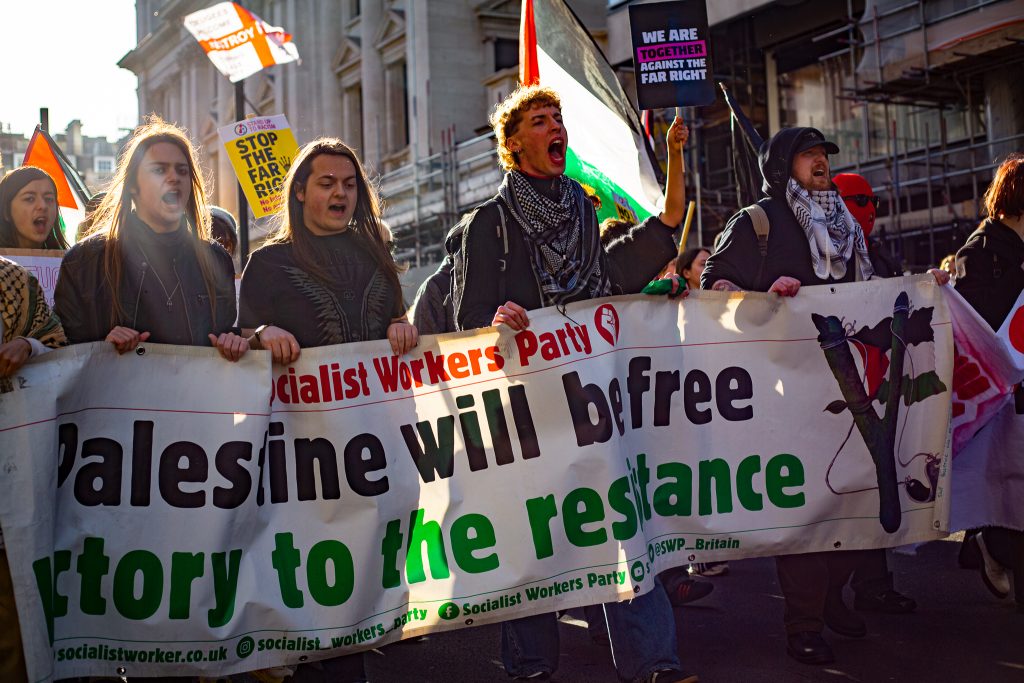
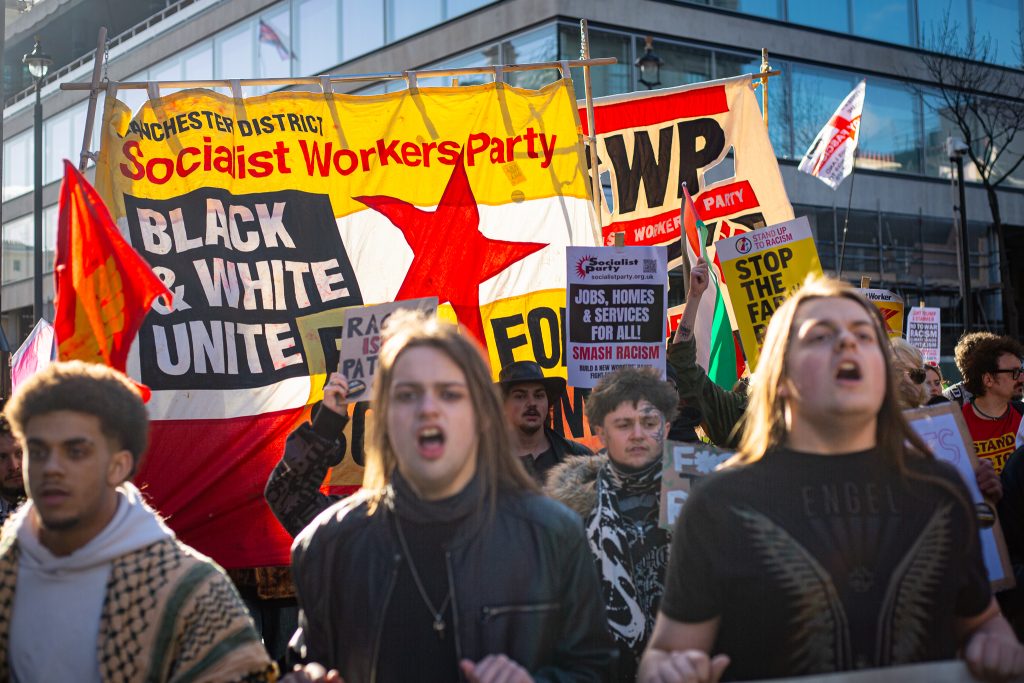
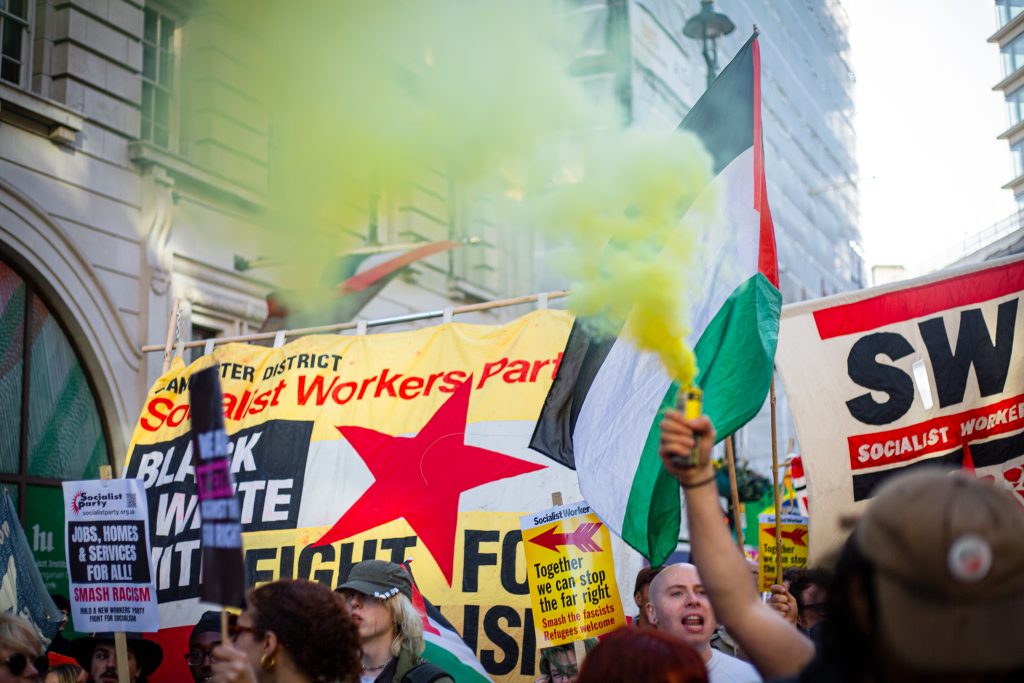
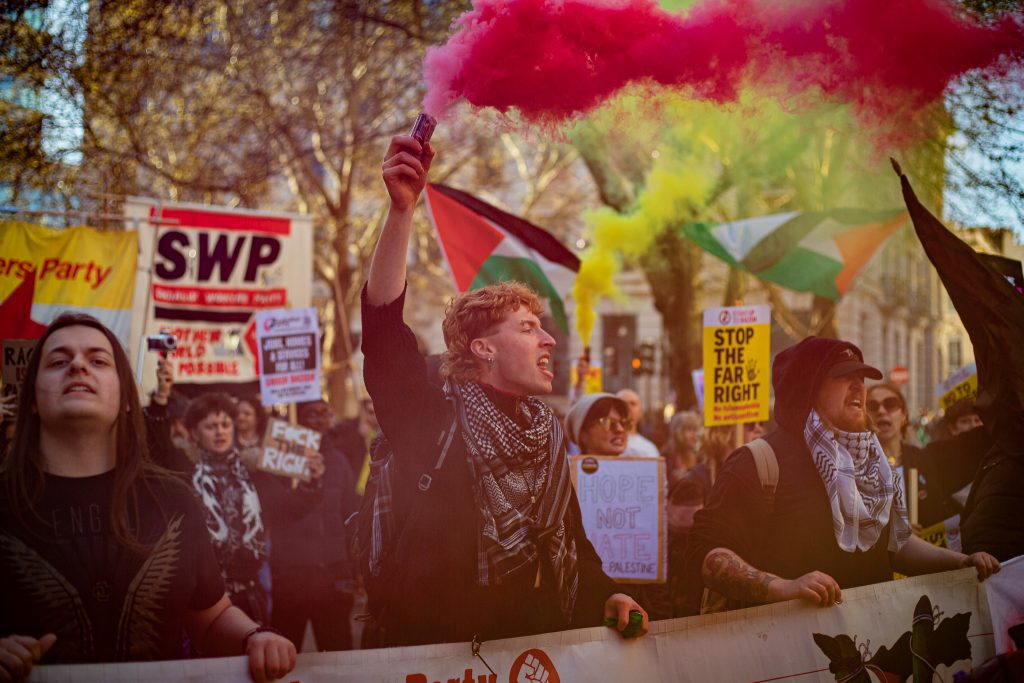
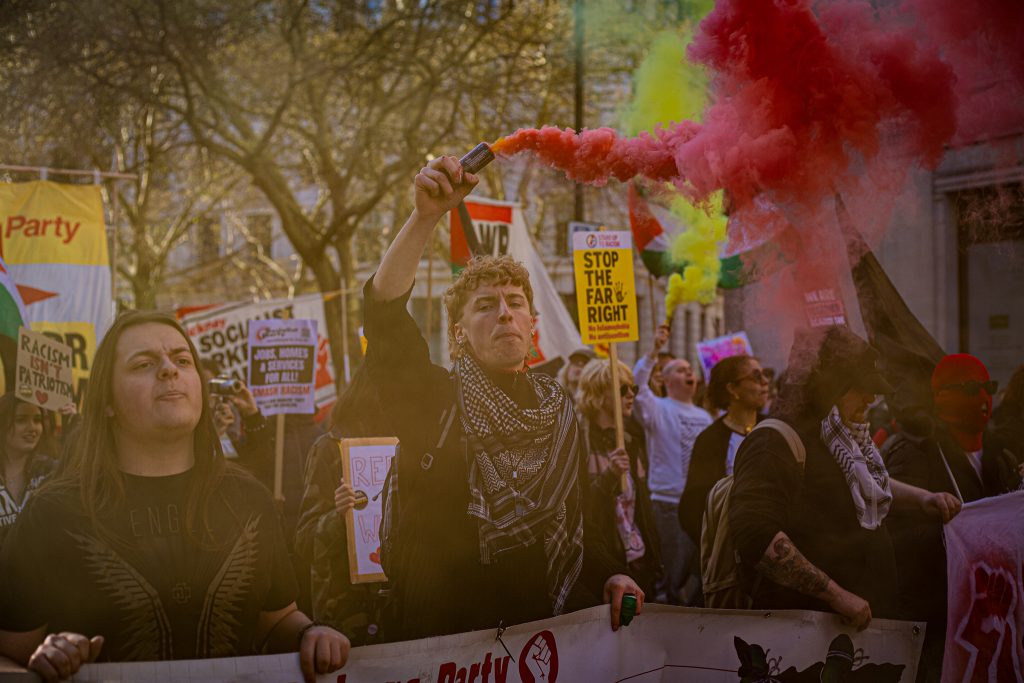
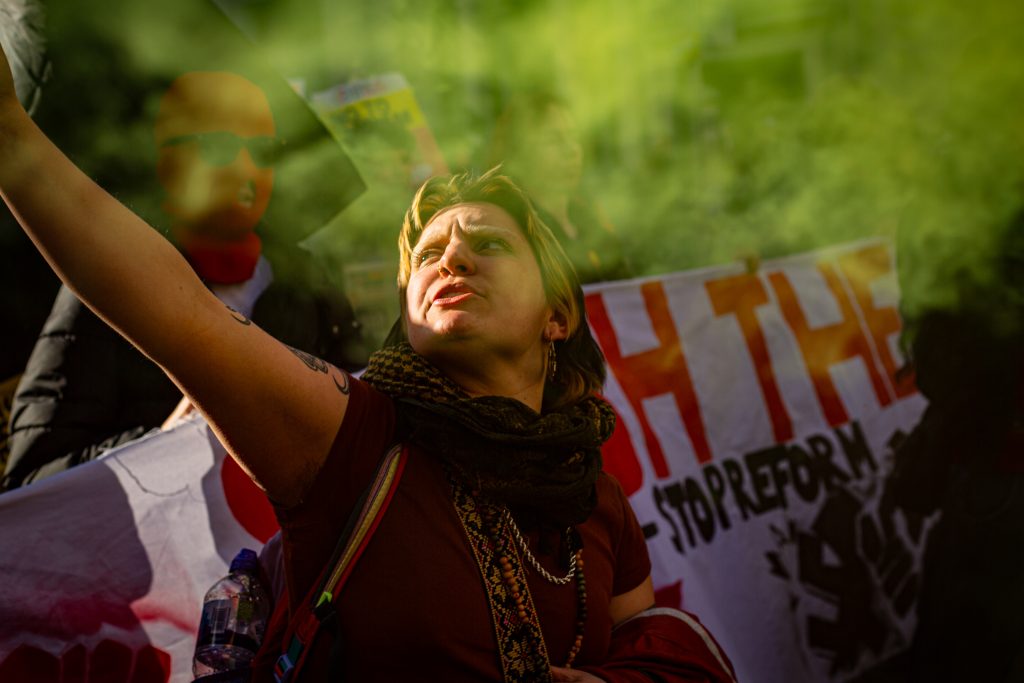
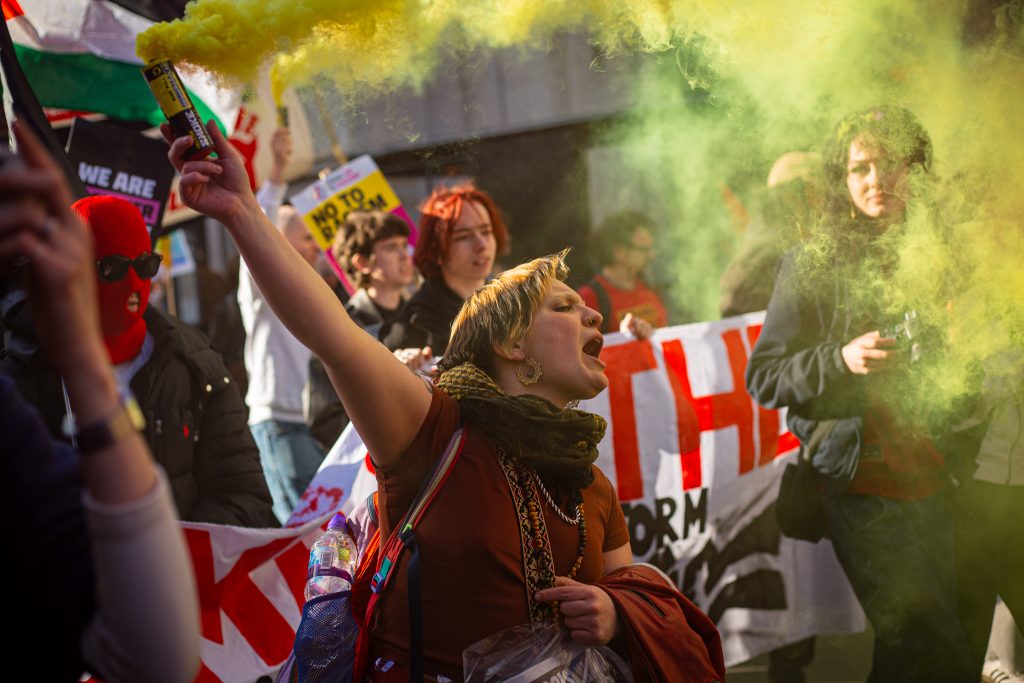
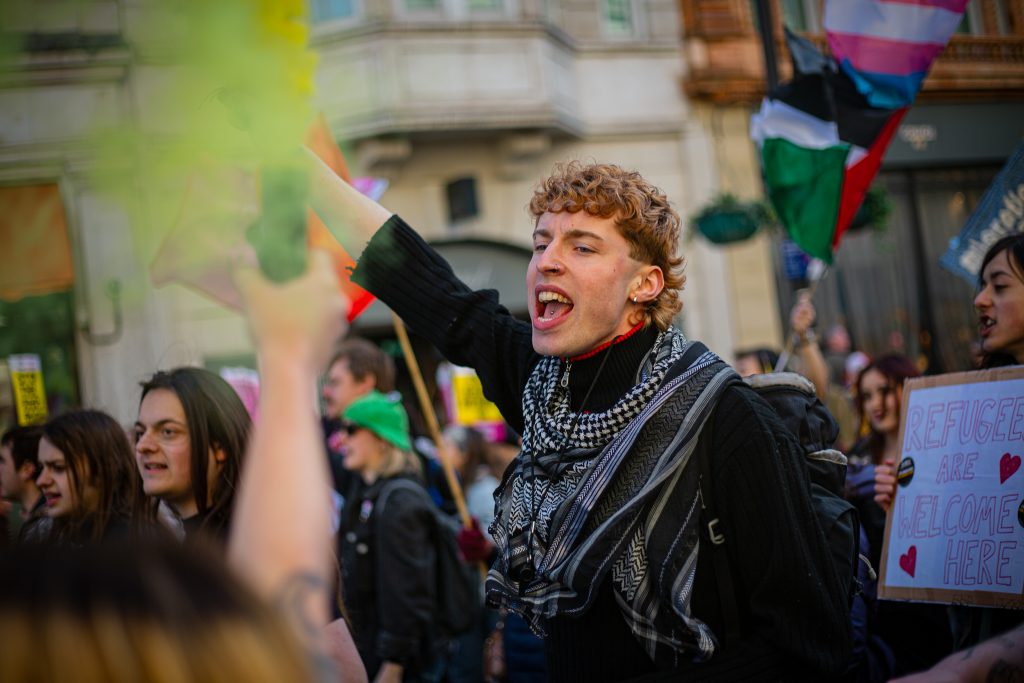
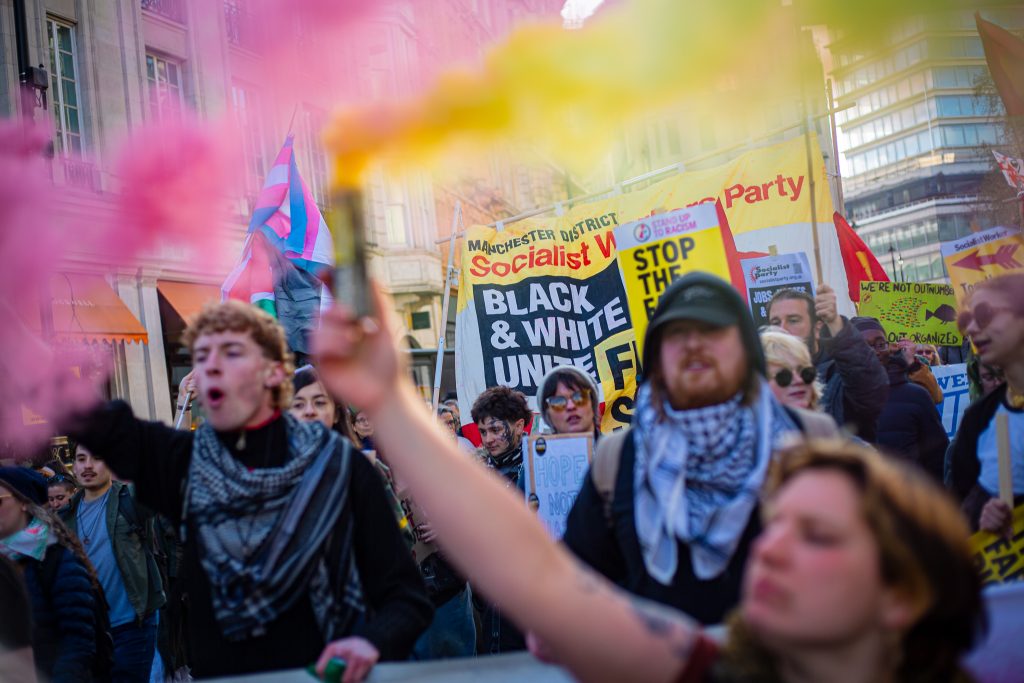
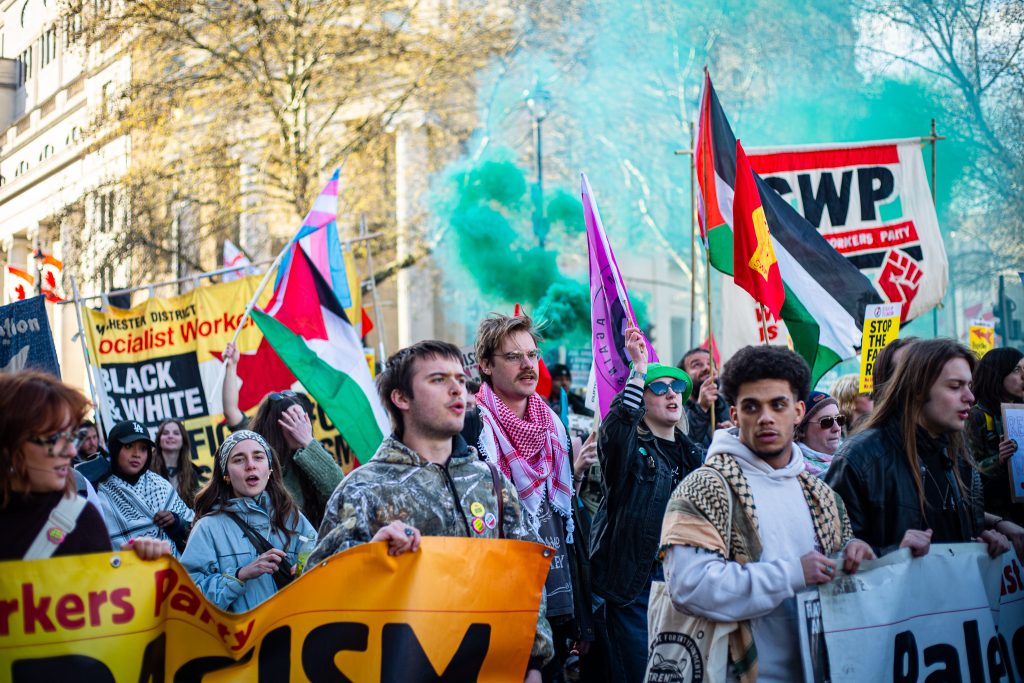
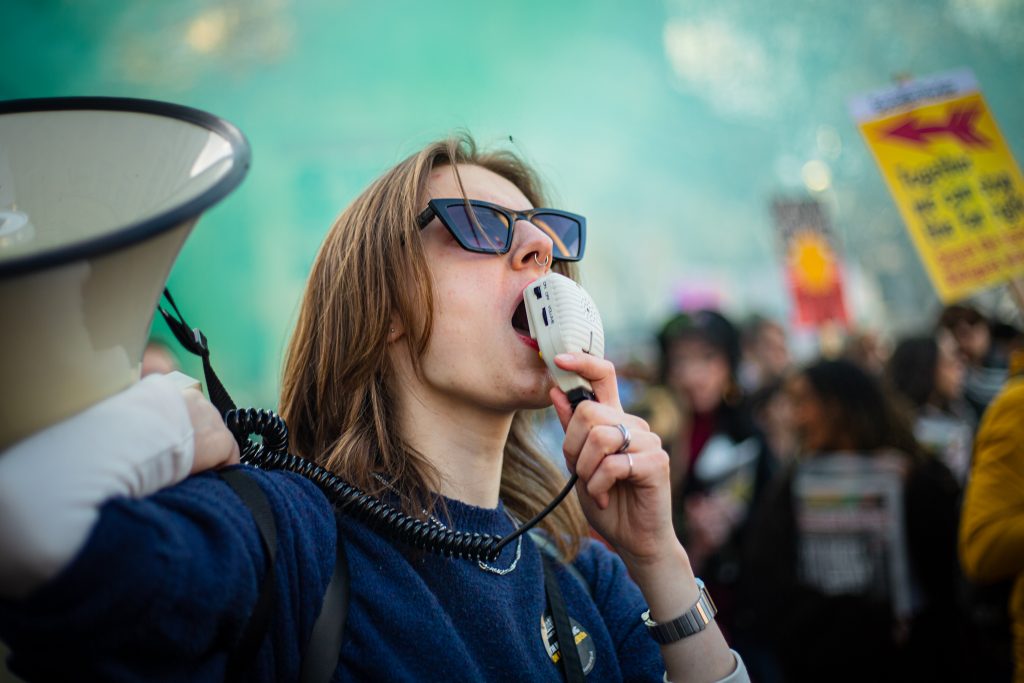
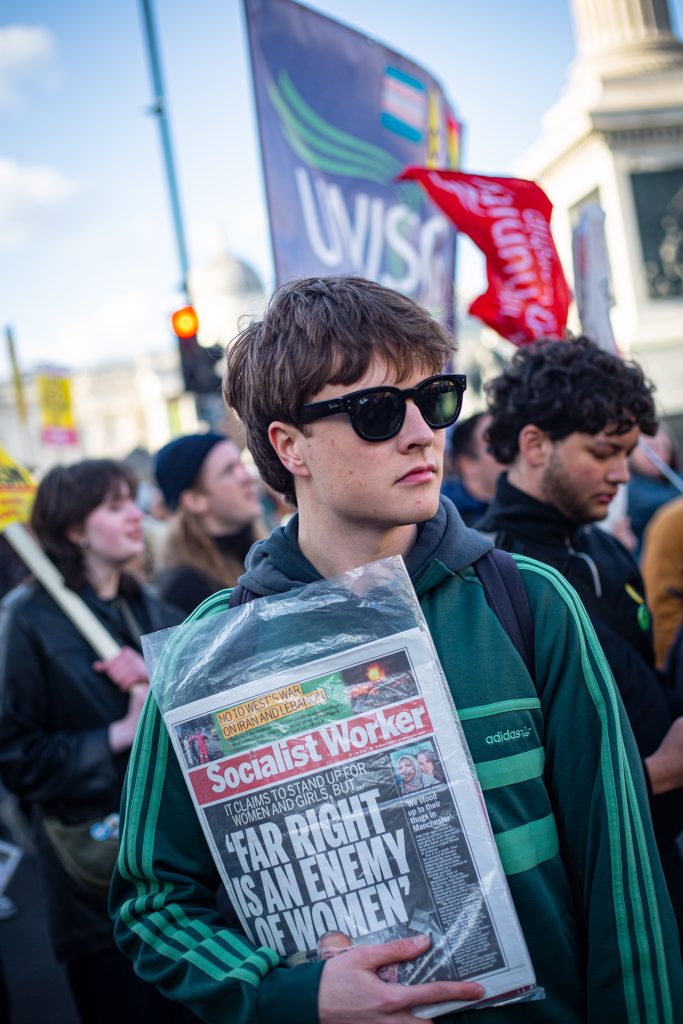
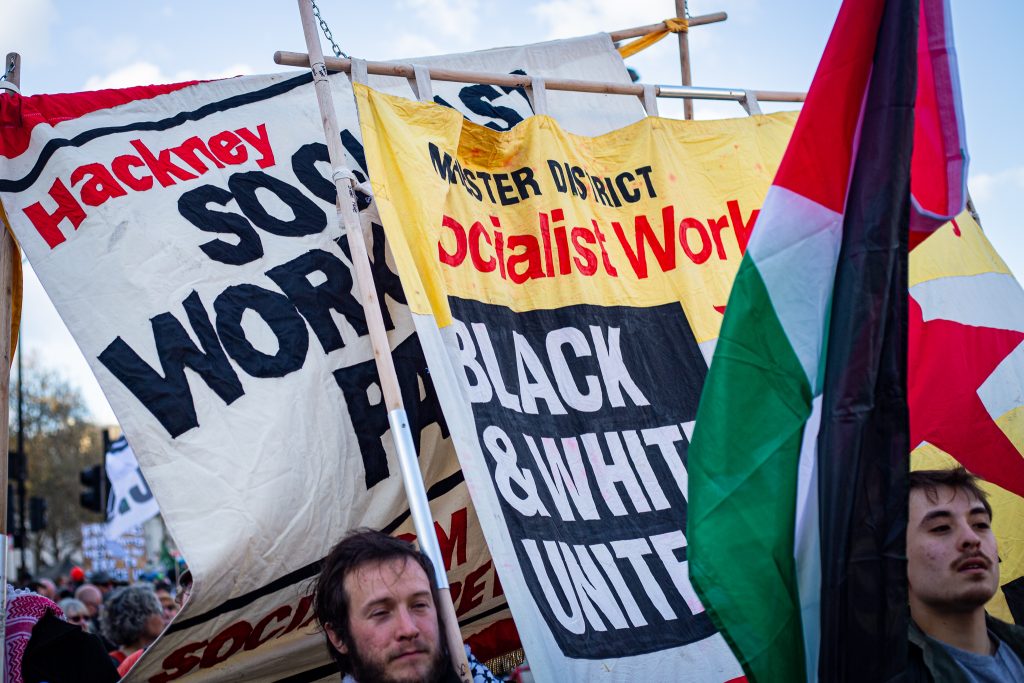
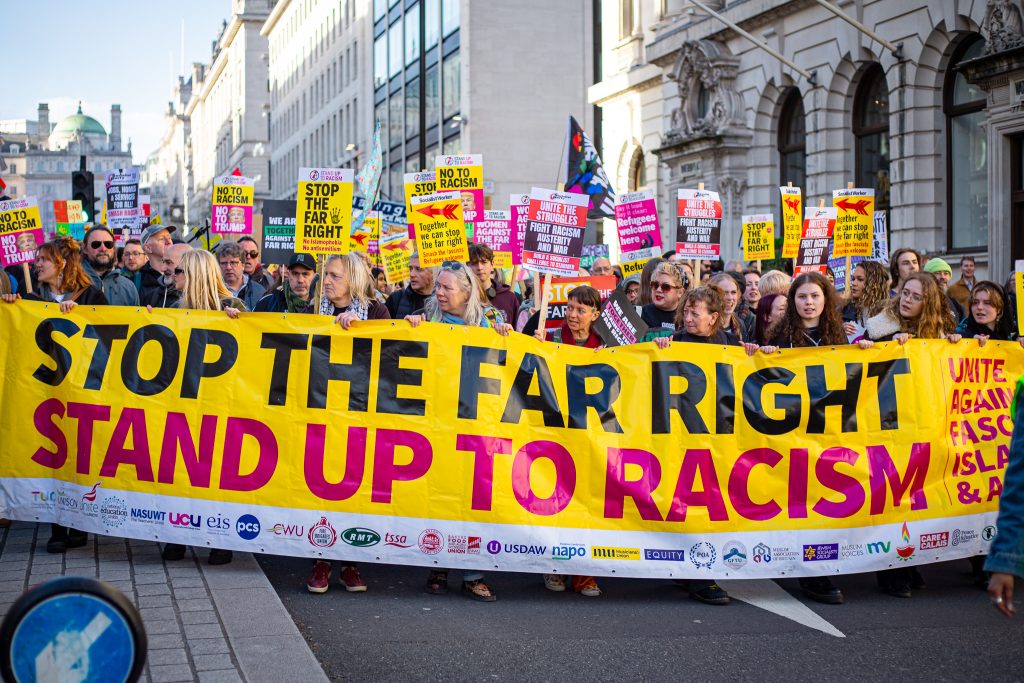
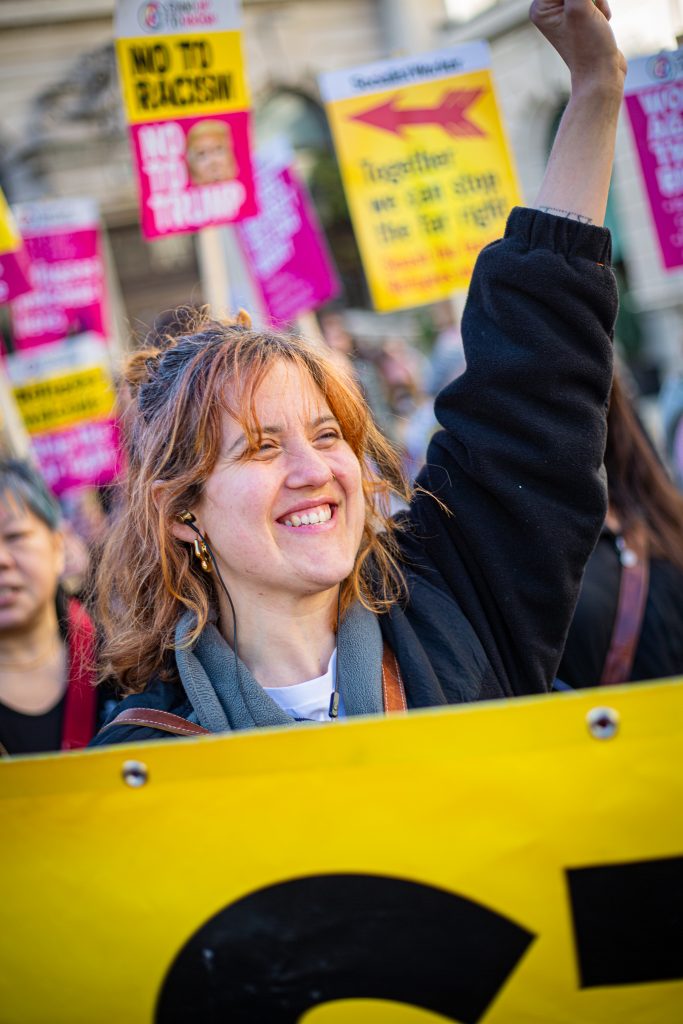
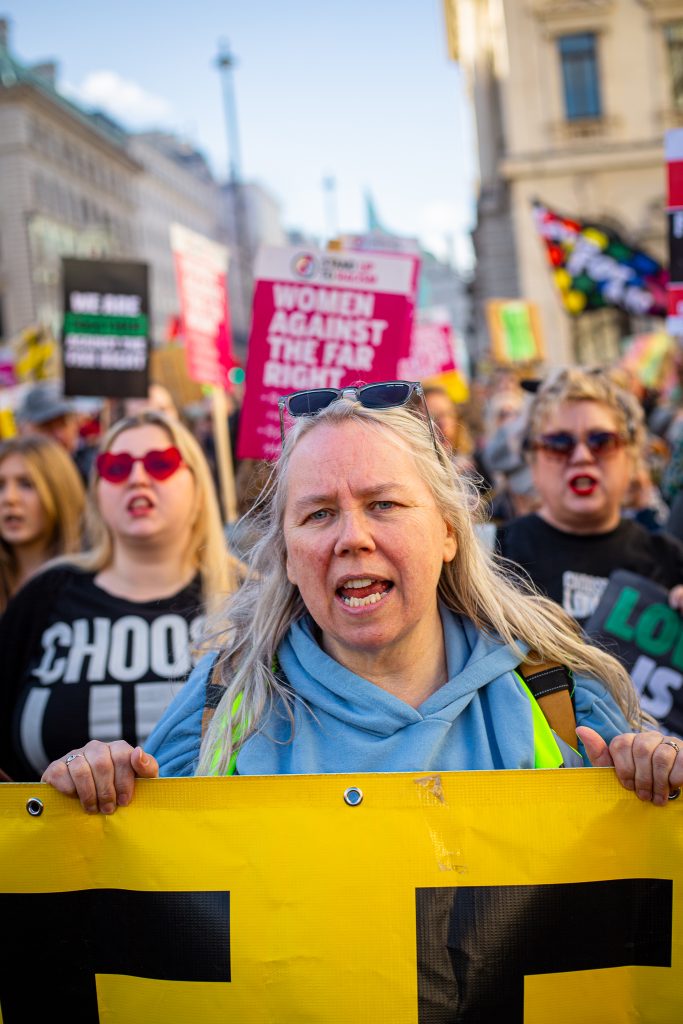
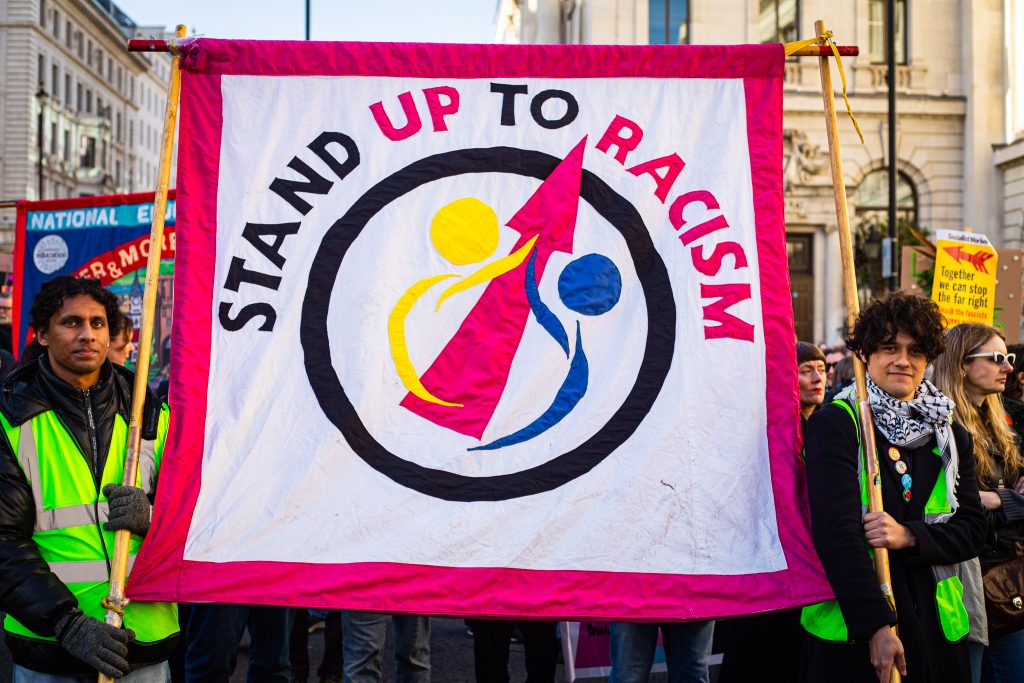
Photo Gallery 2: Dave Gilchrist