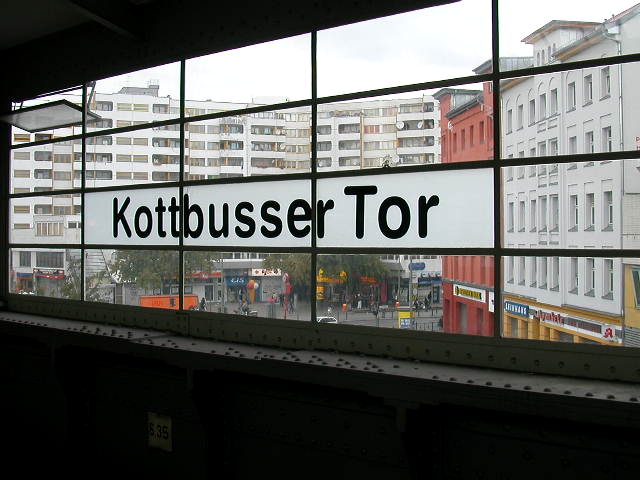
Many arrive at Kottbusser Tor in Berlin either without documents or after their asylum has been rejected. With no legal means to earn money and their social benefits cut, they often end up surviving by selling drugs on the streets. During the processing of their asylum claims, they are housed in refugee camps known as ‘Wohnheime’. This story draws on those realities to follow one character’s journey through a system that too often leads from the Wohnheim to the pre-trial detention center at Moabit. For more of my work on this topic, please see here.
Throughout the year, the boys at Kotti will always talk about their wish to spend Ramadan out of jail. Especially those that experienced it inside. Twenty-eight-year-old Omar heard those stories and, as Ramadan was drawing closer, he, like the other boys, really prayed that he wouldn’t go to jail until the Holy month is over. Remembering this now makes him laugh. He has been held in pre-trial detention in Moabit’s correctional facility, Justizvollzugsanstalt Moabit, since November. Until now, there has been no decision regarding what he is accused of, and the court date remains undetermined.
He was calling his best friend Mohammad everyday when he first came to prison. But even that doesn’t comfort him anymore. He sits here locked up between four walls as he waits for Iftar; it must have been over a week since he last called Mohammad. He just doesn’t have the energy for anything anymore. The outside world seems so far, and sometimes calling reminds him of the isolation rather than breaks it.
Prior to coming here, he and Mohammad were inseparable. In fact, Omar was heading to Mohammad’s room to sleep over there when he got caught by the police. It was a random Thursday that seemed like any other Thursday. He called Mohammed to ask him which S-Bahn to take and quickly hung up on him to answer a call from his mum.
Everyone knows how close he is to his mum. She prays everyday that he will stay safe, she tells him. What she doesn’t tell him is that she prays to see him in person one last time before she dies. She is still grateful that now there is WhatsApp and video calls to stay in touch. She remembers the uncle that left to Europe when she was a child; no one ever saw his face again or even knew what he looked like after he left home. He would call his mother twice or three times a year, just to say a few words. The short, expensive call that was fraught with bad connection did nothing but make him feel more separated from his family. And those calls were the only connection that her grandmother and mother had with him. Now, with Omar unreachable in Moabit, that old, familiar feeling of a son being swallowed by Europe has returned, as sharp and as painful as her grandmother must have felt it.
Until that Thursday, this had not happened to her. Omar called her all the time. They were close in a way her grandmother never could be with her uncle. But this last call was quite short. He said he will call her back and quickly hung up. His number didn’t ring again. She knew something was wrong. She called his friend Mohammad over and over again but he didn’t dare to pick up before he could find out what had happened to his friend. It wasn’t until several days later that he picked up her call with some news. During those several days, she couldn’t eat or sleep or think of anything other than Omar.
Mohammad was waiting for the formal confirmation from the social worker, but deep inside he knew from the first minute that Omar had been taken by the police. This is the moment that Mohammad and Omar and all the other boys fear the most—the moment when they get stopped by the police in a busy S-Bahn station, get asked for the papers they don’t have, and get searched in front of everyone. The police make sure they don’t search in a discrete way. They are trained to turn the boys into a spectacle. It’s called the art of policing and law enforcement.
But still, for Omar, even when all hope disappeared on that day and he knew he would get taken to jail, he never imagined that he would be held without a trial date all the way to Ramadan, which is March. They didn’t catch him with anything on him and he wasn’t doing anything wrong other than just being in the station. So why would it take such a long time for them to determine the accusation and decide on a court date. He hasn’t even been assigned a social worker in jail, which means that people on the outside have no possibility to communicate with him. And that his only channel to the outside world is the phone number of his friend Mohammad, which he can only call if he has money left on his card. Omar keeps asking his lawyer, who was hired by his social worker, to find out when he will get some answers, but she just shrugs or tells him to wait. No one knows anything yet.
He keeps thinking of this over and over again. He is locked up 23 hours a day, so lots of time to think. One of his Arab cellmates say that Moabit detention is like a luxury hotel. But he doesn’t think so. In fact, he doesn’t like anything about it. Being locked up in here, his mind goes to places he never thought of before. And now that he has been fasting all alone here, and half of Ramadan is already behind him, he has started to lose his patience. The dark thoughts keep on increasing. This morning, he found himself wondering how long it would take for his mother to find out that sometimes he used to take Lyrica, the infamous anxiety pill that his mates at Kotti introduced him to. Would she find out that he even sells this stuff? Would she forgive him if she found out? How would he explain to her that there is no other way for him to make money. His Sozialleistung had been cut since he stopped going to his Wohnheim. He got too scared after the security woke up one of his mates at four a.m. and deported him. Even when he was still going regularly, the Sozialleistung was hardly enough for his basic needs.
These questions keep coming to his mind. Suddenly he gets all these feelings that he can no longer describe, feelings that are both heavy and strong, but he doesn’t know what to call them. Fear. Regret. Grief. Loneliness. He doesn’t even know or use those words. He heard others saying things like that since he came to Moabit. He even started to avoid calling his Mohammad because he doesn’t know what to say when his friend asks how he is doing.
He tries to remember his mum’s voice telling him to look for patience from within, and warning him of the pain of those who lose patience inside prison. He knows she is right, but he can’t take it anymore. Ramadan isn’t over yet. Half is behind him, half still ahead filled with uncertainties, like everything else in here.
He doesn’t know about the trial date. Doesn’t know if he’ll call Mohammad tomorrow. His mother’s messages pile up somewhere he can’t reach. And somewhere in Morocco, his mother sits with her phone in her hands, waiting. She thinks of her uncle again, of the grandmother who waited for calls that never came. She always thought technology would protect her from that fate.
In his cell, Omar doesn’t know she’s praying for him. But for a moment, the dark thoughts stop. He doesn’t know why. He only knows that tomorrow, maybe, he’ll try calling Mohammad.
Outside, the boys at Kotti are still talking, still praying they don’t end up here.