While student protests around the world pop up on your feed, workers in southern Italy are pushing ahead with strikes and mobilizations that have the potential to shut the whole country down. Yet no one is talking about it. Not even in Italy.
At the end of last week, while Italian mainstream news channels were covering the latest developments in the pope’s health, social media algorithms finally began sharing images of the vast mobilizations that have taken over regions of southern Italy. Since the beginning of the month, workers all over the south have been protesting in various sectors, with various repercussions, all united in a single outcry: We cannot carry on. And so we’ll stop.
In the region of Puglia, truck drivers have been striking since October 11 in protest against fuel prices and the government’s failure to offer aid. Since the blockade of the Strait of Hormuz, fuel prices in Italy have increased by €0.60 a liter; in some parts of the country, they now hover around €2.50 a liter. At the beginning of the year, Prime Minister Giorgia Meloni introduced temporary measures to ease fuel costs—they ran out at the beginning of this month. Following this, Puglia’s truck drivers stopped working, and spontaneous protests erupted throughout the region. Workers drove along highways with signs attached to their vehicles bearing slogans such as “If you block my future, I’ll block your present”.
They have now been joined by the region’s olive farmers, who are protesting against rising production costs while their revenues are being crushed by competition in the olive oil market.
In the same region, workers from the Ex Ilva union in Taranto went on strike outside Eni’s refinery for a week. The strike ended on Saturday night after the unions met with the workers. The refinery supplies not only Puglia but also nearby regions with petrol. During the strike, many stations ran out of fuel, leading citizens to fear a total collapse of private and public transportation.
At the same time, truck drivers have been striking in neighboring regions of the south, such as Calabria, Basilicata, Campania, and Sicily. In Basilicata, the drivers have effectively stopped all traffic on the Jonica highway. As I write, also the highway in Campania’s Caserta Sud has been blocked by striking trucks, and even Naples’ commercial dock has been blocked by rally. At the same time, other dock workers in Sicily have stopped downloading goods from ships.
Meanwhile, truck drivers have been striking in neighboring southern regions, including Calabria, Basilicata, Campania and Sicily. In Basilicata, drivers have effectively stopped all traffic on the Jonica highway as well as the highway at Caserta Sud in Campania. A rally has blocked Naples’ commercial dock and dockworkers in Sicily have stopped offloading goods from ships.
In Calabria, the FEDRALOG federation called an official halt to all truck transport, which was expected to continue until the night of October 20. Transport Minister Matteo Salvini offered the unions a meeting that day. The Sicilian Transporters’ Committee (CTS) met with Salvini on the same day and decided to end its total strike, as most of its demands had reportedly been accepted. However, it stressed that mobilizations would continue over the issues that remained unresolved.
By contrast, at the same meeting, representatives from other regions were dissatisfied with their exchange with the minister and confirmed that their strikes would continue. Truck drivers in Puglia, Calabria, Campania, Basilicata and Molise are therefore continuing their traffic blockades.
The workers are standing firm, saying that unless they receive sure and concrete answers, they will continue and intensify their mobilization.
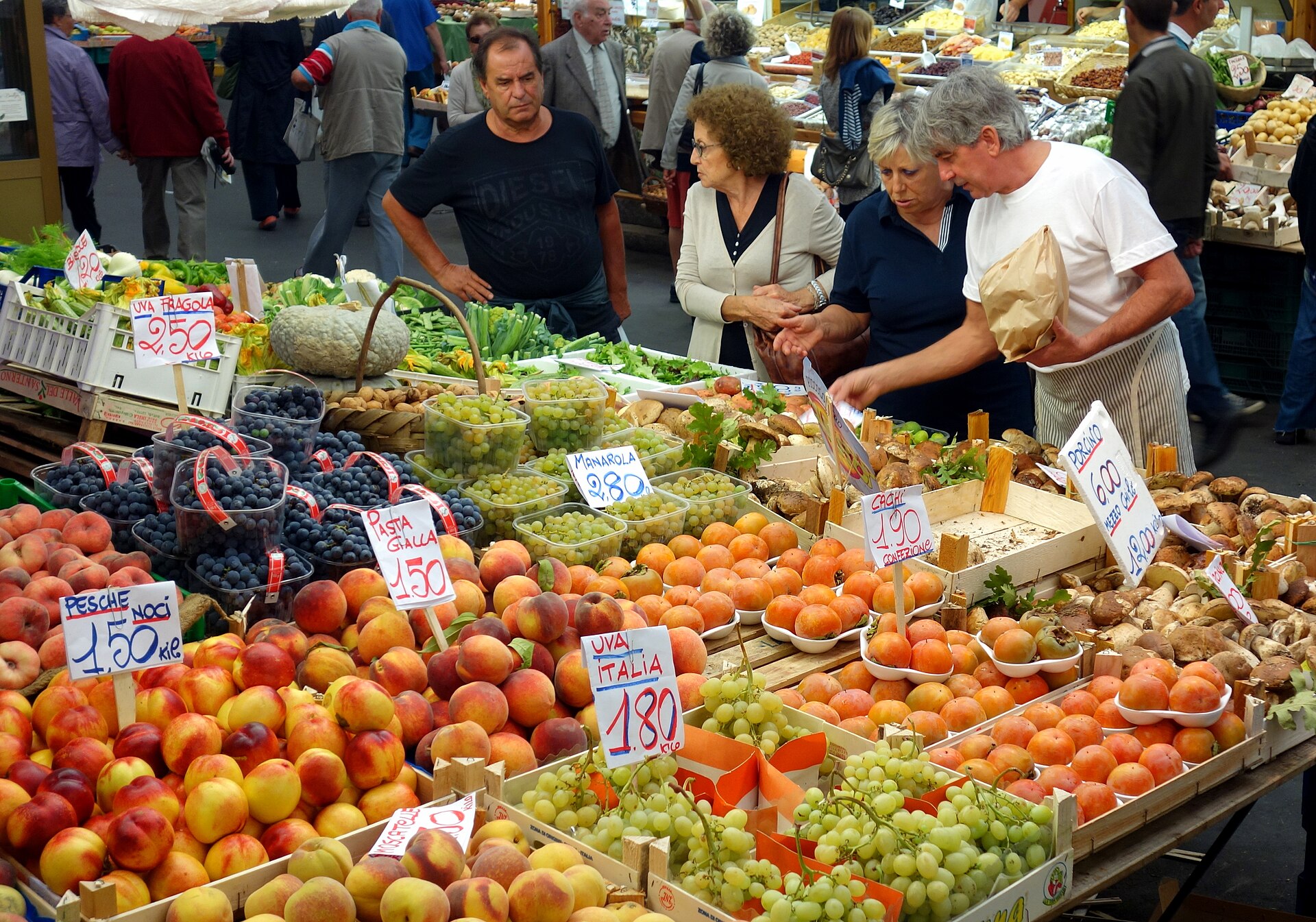
Should this happen, they have the power to bring the whole country to a halt. After just over a week of protests, supply chains are already slowly but surely collapsing. Fresh produce such as fruit and vegetables, which requires frequent restocking, is quickly disappearing from grocery stores in major cities such as Palermo and Caserta. Many other towns throughout the south report that the situation in their shops is “nearing total collapse”.
The strikes will likely continue at least until October 27, when the Meloni government has offered talks at the Ministry of Transport.
Should the mobilizations continue, other products, such as milk and pasta, will quickly disappear from store shelves too. And most importantly, the traffic blockades will eventually affect supply chains in the rest of the country. The rest of Italy, including its politicians and mainstream news channels, is stubbornly ignoring the movements in the south, whose workers hold the very real power to shut down the whole country in the palms of their hands.
The territories of southern Italy have historically been exploited by the capitalist class. In his unfinished work La Questione Meridionale (The Question of the South), Antonio Gramsci illustrated how northern Italy had subjugated the south and the islands, reducing them to “colonies of expropriation”. Today, material conditions in southern Italy mean that its workers are particularly hard hit by the cost-of-living crisis. The same Italian workers whom Meloni’s government claimed to support are now blocking entire sectors in protest. No matter how much the state has attempted to censor and silence them, their strikes have finally reached the rest of the Italian public.
While we follow the extensive coverage of student protests across Europe, it is imperative that we also focus our attention on workers in southern Italy, and that students draw connections between their movement and the struggles of drivers, dockworkers and farmers. The first example of this has already emerged.
On Sunday, October 18, in Corato, a city in the province of Bari in Puglia, high school students protesting as part of a national day of student mobilization took to the streets alongside striking olive farmers. The joint demonstration of students and workers was led by two tractors carrying a banner that read “less weapons, more school”. The same weapons that fuel wars whose costs are crushing workers in southern Italy are taking funding away from education. These students have recognized this connection and joined the workers in their struggle. The rest should follow.