After having been the constant subject of German media attention because of their controversial protests for many years, the climate activist group ‘Letzte Generation’ (last generation) all but vanished from the public’s eye after 2024. Following the week-long heatwaves in large parts of Europe with temperatures continuously rising above 30 degrees Celsius, social-media users have called for the activists to resume their fight against climate change. But as it turns out, the ‘job’ of climate activism is not very worthwhile.
Formed in 2021 as a climate activist alliance, the Letzte Generation took up action in Germany and Austria, their objective to raise awareness for global warming and force governments to act while there is still time left. As one of their core pillars of consensus, the group makes it very clear that protest free of any violence holds extreme significance for them. Still, German tabloids – especially, of course, the BILD Zeitung – seemed to agree on these ‘klima-chaots’ (climate anarchists) committing heinous crimes in the name of our planet.
In the past 4 years, the Letzte Generation sprung into the media’s attention with their methods of public disruption – most famously supergluing themselves to public roads which resulted in the derogatory nickname ‘Klimakleber’ (climate-gluers) – and vandalising public and private property. The most notable case in the latter was Claude Monet’s ‘Grainstacks’ in 2022, where activists threw mashed potato onto the painting, which nevertheless remained completely undamaged as it had been framed behind protective glass.
However, both public and political reactions to these unorthodox protesting-methods remained thoroughly critical, negative and sometimes even violent. Two years later, Europe is feeling the effects of climate change in full force, and magazines like DER SPIEGEL are wondering why climate activists like the Letzte Generation have seemingly disappeared. One possible answer: right now, many of their members are standing trial.
Years after their protests, thousands of the group’s activists are being sued for their peaceful disruption. According to the German newspaper Die Zeit, over 3.000 activists have been sentenced in criminal proceedings in Berlin alone, some for vandalism, others for disruption of public services or coercion. The penalties are harsh; 10 members of the Letzte Generation have been sentenced to pay over 400.000€ in compensation after having blocked parts of the Hamburg airport in 2023. While these fines are already disproportionately high, some activists are facing penalties even more grave than financial ones.
In December of 2024, two female activists of the Letzte Generation were sent to serve six and seven months of jail time for spray painting a millionaire’s private jet on the island of Sylt. In a similar case, a 65-year-old protester was sentenced to jail in Berlin for participating in a peaceful roadblock. He has been serving for two years now without probation.
The extreme penalties stand in stark contrast to the climate politics of the current and previous German governments. However, while individual citizens are being sentenced by the thousands for peacefully protesting for a liveable future, the government continues to fail globally agreed climate goals without consequence, in favour of economic growth. Climate activists are being thoroughly pursued by the justice system and the real crimes against this planet remain unpunished even though we have known for a long time that there is no going back anymore.
According to the ‘Expertenrat für Klimafragen’, a scientific expert-committee established by the Bundesregierung, Germany is going to miss all their CO2 reduction goals for the coming 24 years. The experts agree that the current government’s climate strategies remain insufficient and will not hold without massive expansions of budget.
On their party website, the CDU emphasises on protecting the earth in a ‘market-friendly way’ (“Klima marktwirtschaftlich schützen”) and sets the tone for their climate politics. For instance, the governing CDU has defied the EU-agreed ban of combustion engines, making it so only 90% of those are to be banned instead of the earlier agreed 100%, once again reaffirming their dedication towards global markets instead of the climate.
The political treatment and media trial of the Letzte Generation has shown what is (and not) allowed in terms of German climate politics. Civilians are legally prosecuted, the government is not. What remains out of discussion is record-breaking summer temperature swells for the fourth year in a row and a scientific consensus that countermeasures remain insufficient.
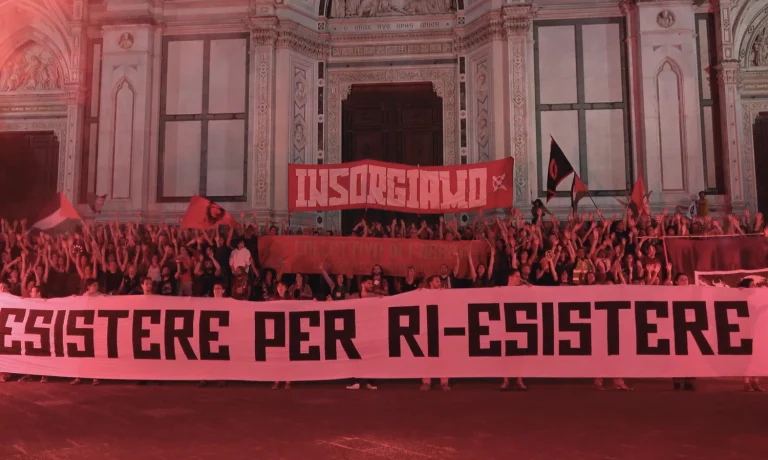
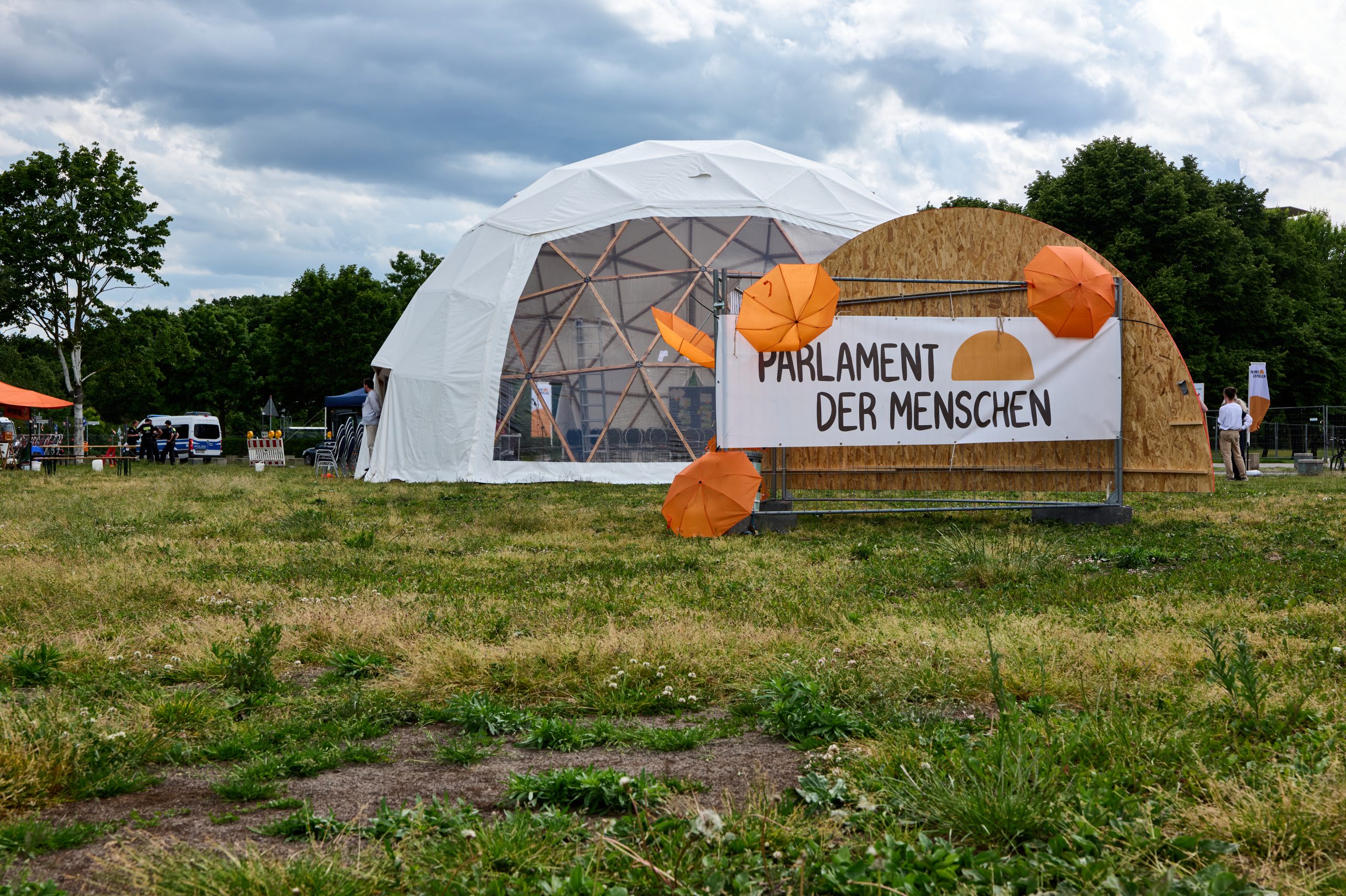
The Letzte Generation cannot glue themselves to the roads anymore, too many of them are in jail or court. But it seems that they don’t want to either. In early 2025, the activist group decided to put an end to their current protesting tactics, split up and reform. Now separated into the Neue Generation and the Widerstands-Kollektiv, the new goals of the group(s) lie away from superglue and paintbombs. Instead, the Neue Generation is trying to instigate ‘a democratic, loving revolution’, with the fight against climate change being part of a bigger objective: the fight against the current system. In an interview with the German newspaper taz, leaders of the groups have acknowledged that, while certainly effective for garnering attention, their previous protesting methods did not bring forth the political change they hoped to achieve. However, this does not mean the group is abandoning disruptive protest. They are just changing it to be more in tune with their new concept, for example through protests taking place directly in front of the Bundestag in Berlin.
While the Letzte Generation certainly had the right idea in their fight against climate change, the previous years did show that the most common effect their methods had was to make people angry, shifting the debate from the actual issue over to one of legality and ideology. With their protests, the group received a lot of negative feedback, even from people like climate activist Luisa Neubauer. In contrast, they did not manage to achieve any of their old demands.
Hopefully this time, the newly formed Neue Generation will help to achieve actual systemic change, instead of just angering politicians and twitter users alike. Their message of love and connection is definitely very welcome.