The Left Berlin News & Comment

This is the archive template

“There is always a way to make your voice heard” 

Interview with Nessa from Nein zur Wehrpflicht


11/03/2026

Thanks for talking to us. Could you first introduce yourself?

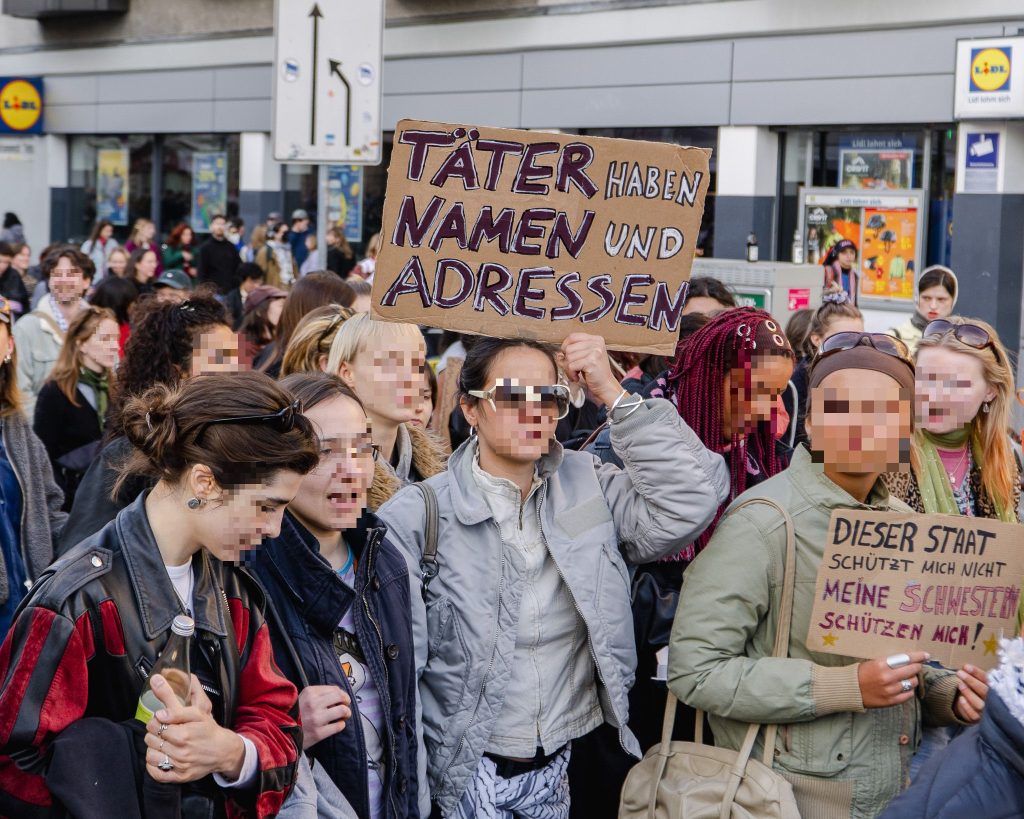
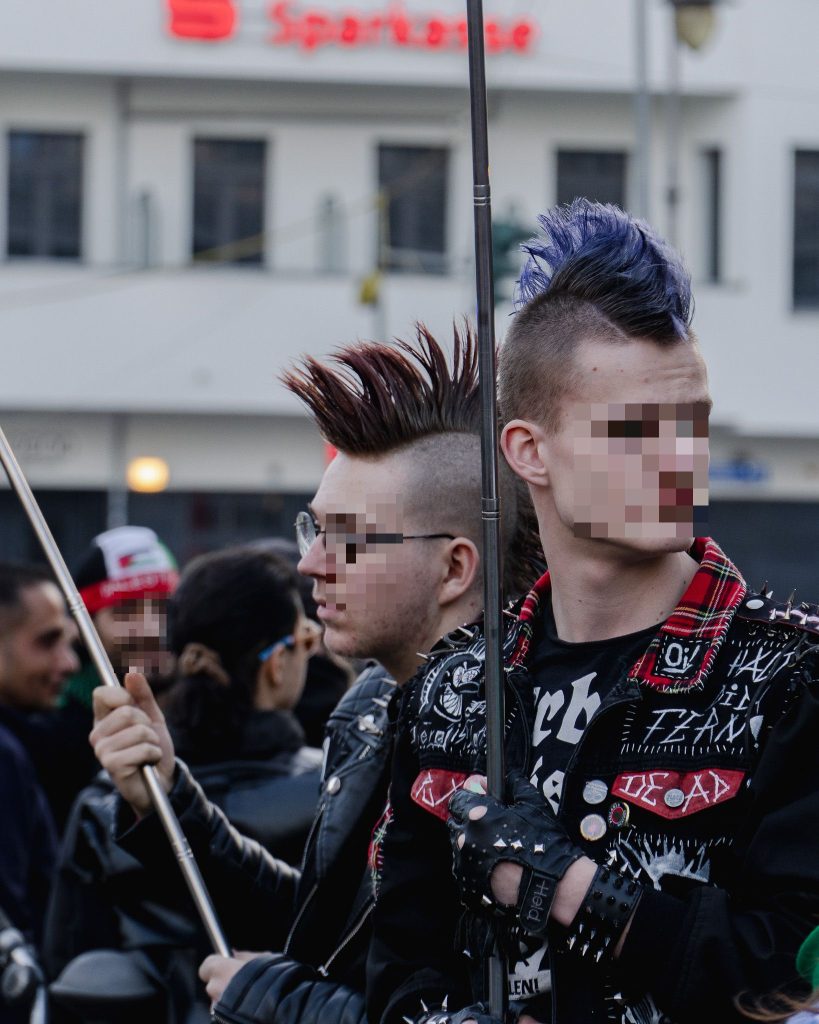
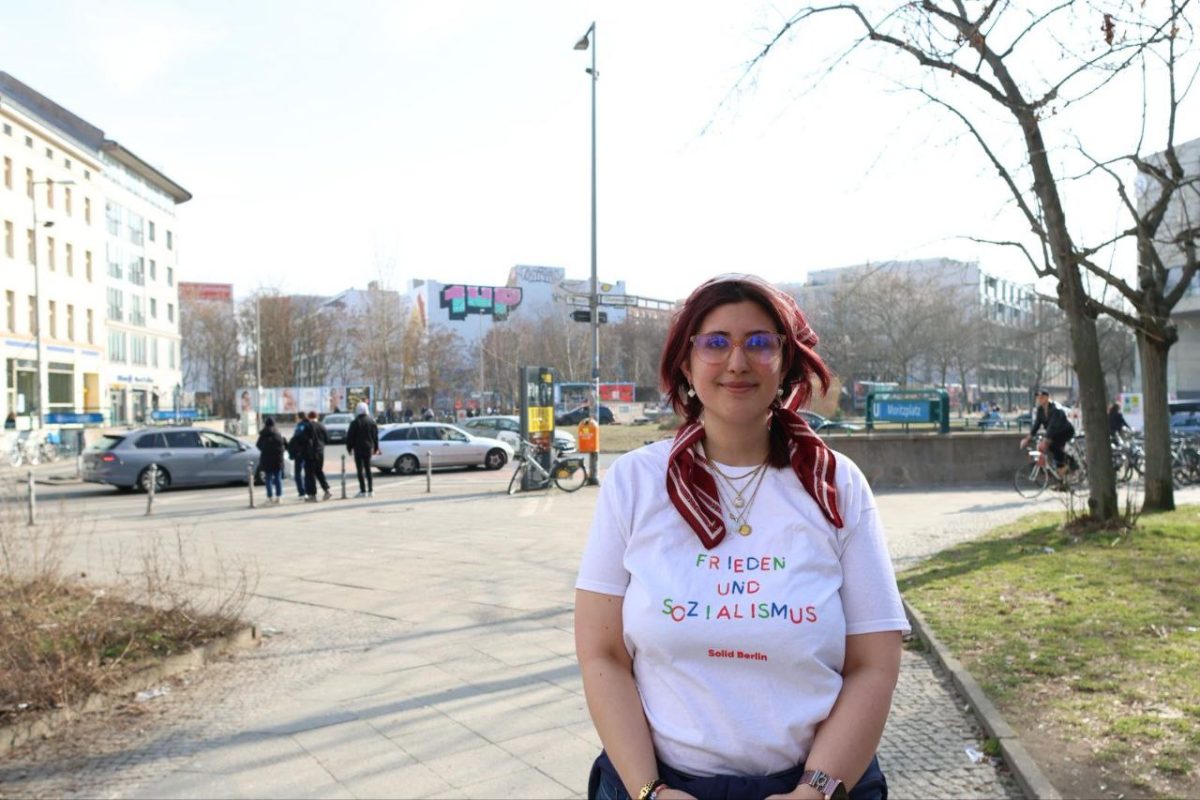
My name is Nessa. I am 24 years old, and I’m on the executive board of “Linksjugend” [solid] – the youth organization of the party “die LINKE”. I’m also part of the Nein zur Wehrpflicht Bündnis – “No to military conscription” alliance. We were part of the organising team of the demos against conscription.

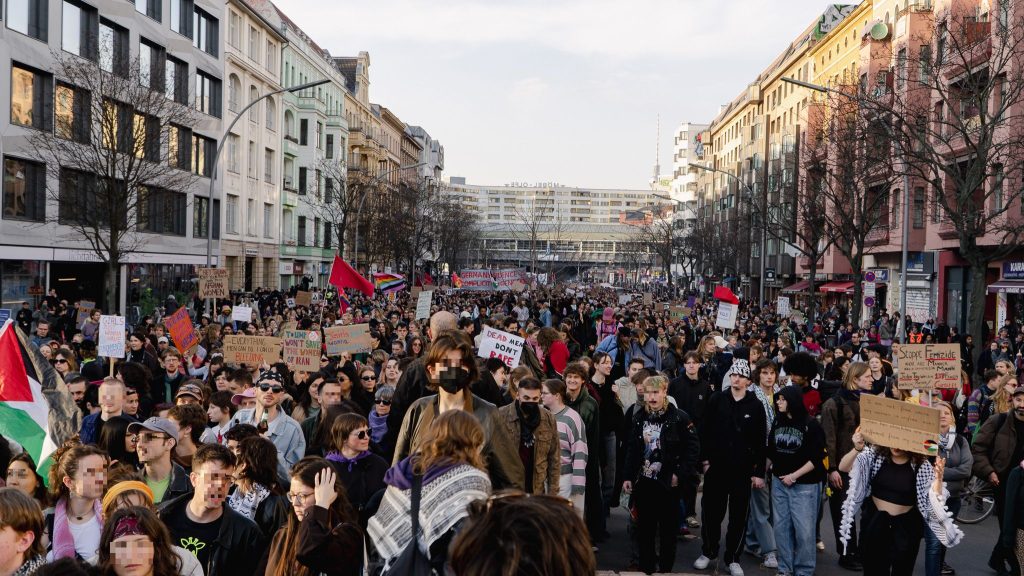
It is just after the latest demonstration when thousands demonstrated in Berlin. How did you mobilise so many people?

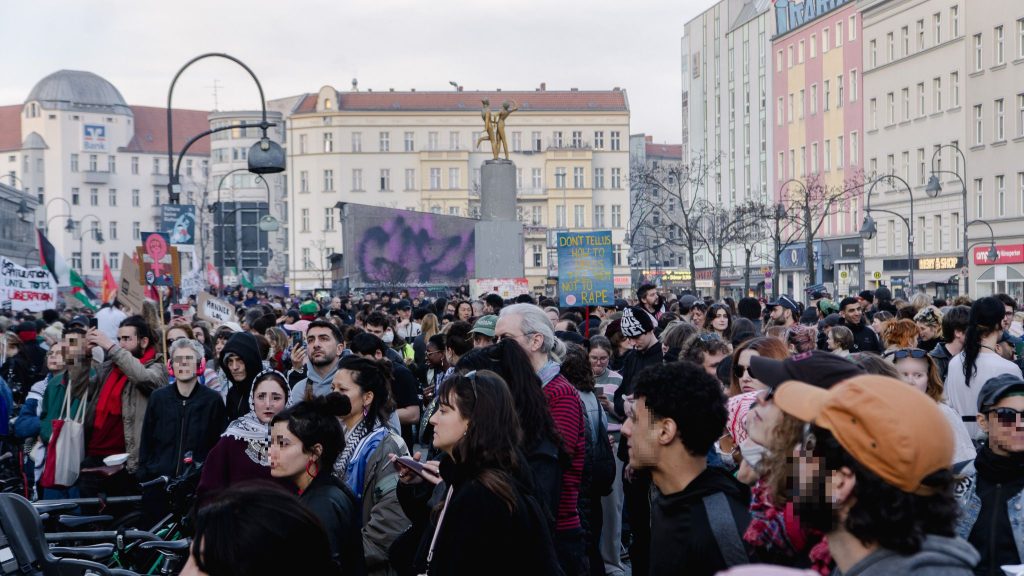
It’s honestly crazy to me that it’s grown so much. The last one was also big, and though, in Berlin it’s about the same size (10.000 people), we had around 30 Cities additionally participating in the Strike this time, as well as international involvement across Europe .

We tried to get collaborators on Instagram. We worked our asses off trying to reach as many people, as many schools, as many students as possible. Ourteams went around the city and put up posters about the strike. We handed out leaflets in front of schools. We also talked to student representatives, principals and the parents’ committees.

Furthermore, we reached out to multipliers like Linke MP Ferat Koçak who mobilised for the strike on Instagram. We talked to the artists that showed up and played at today’s demo. We asked them beforehand to advertise the strike and call everybody up.

There were a few people on the demo with jackets from the GEW teachers’ union. Did  teachers respond?

Yes, positively. We worked closely together with the GEW. They were also part of the planning meetings and are part of the alliance against conscription. We tried to mobilize together.

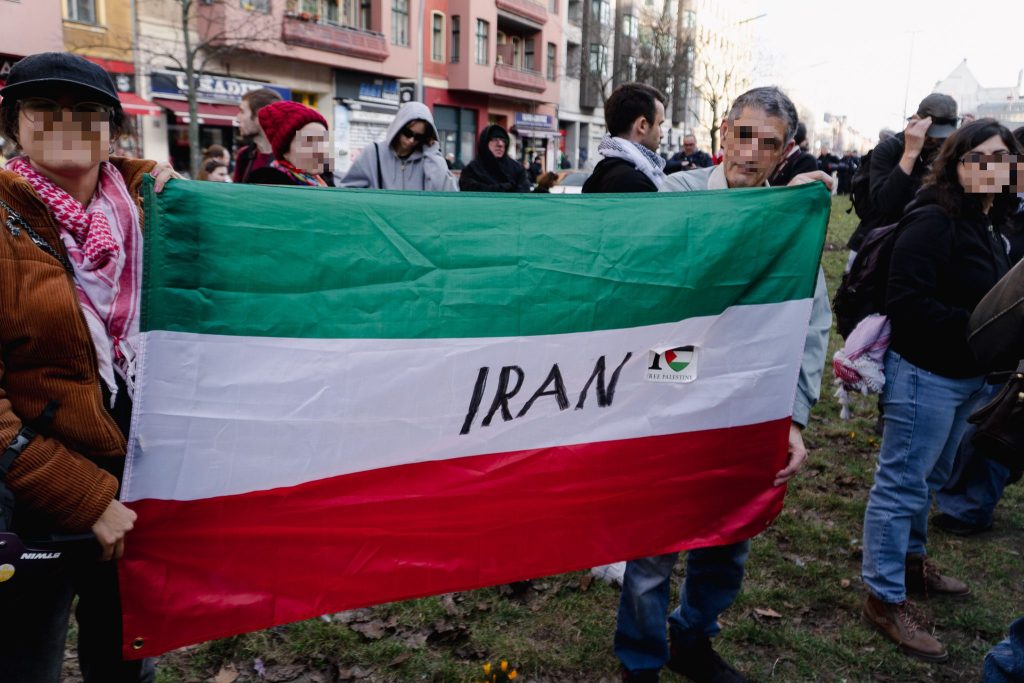
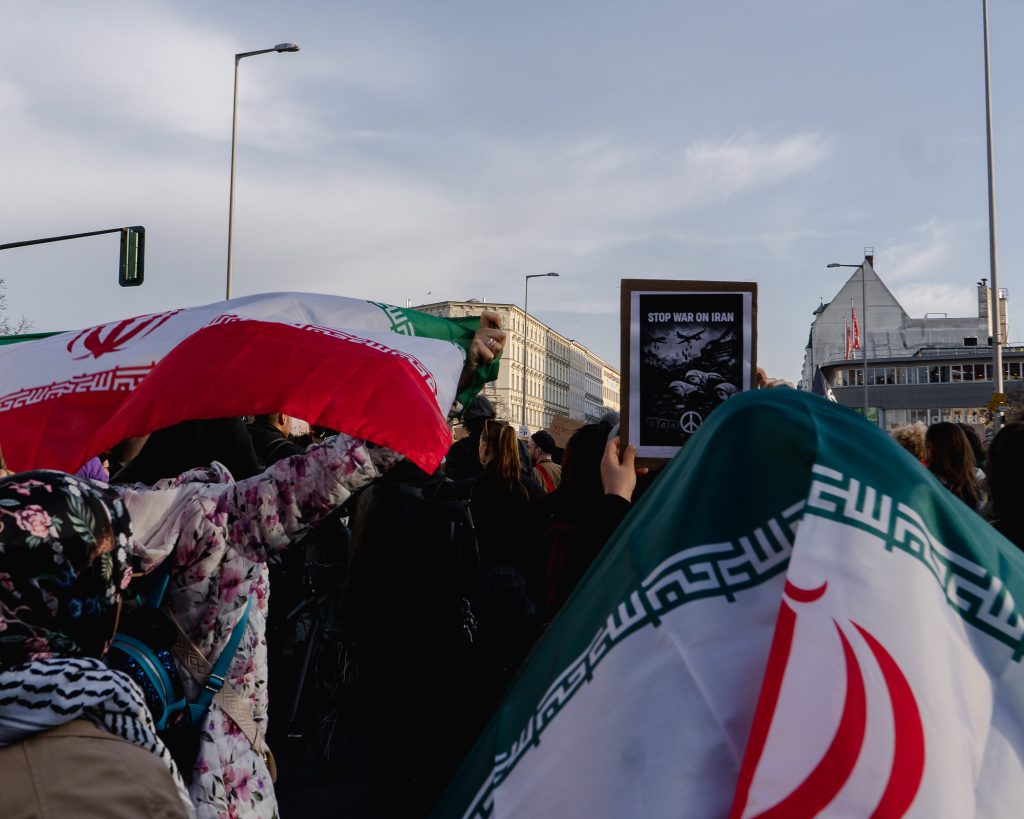
Yesterday, German Chancellor Friedrich Merz gave full support for Donald Trump’s war in Iran. Did that play a role in mobilizing people?

It definitely contributed to the mobilization, because there has not been a huge (leftist) demonstration for the cause of Iran yet. 

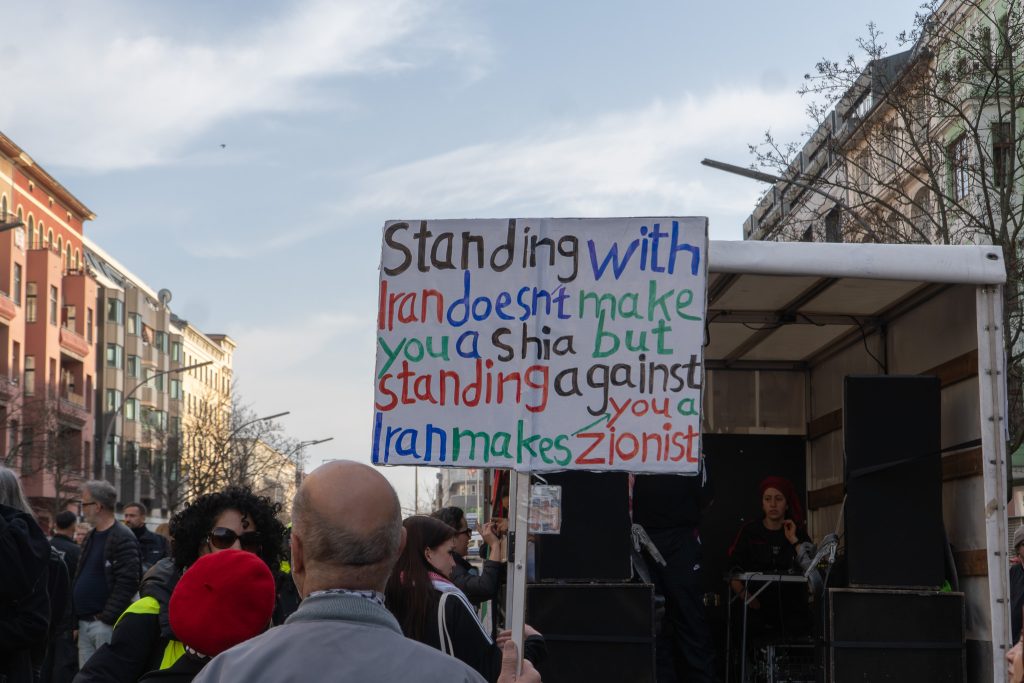
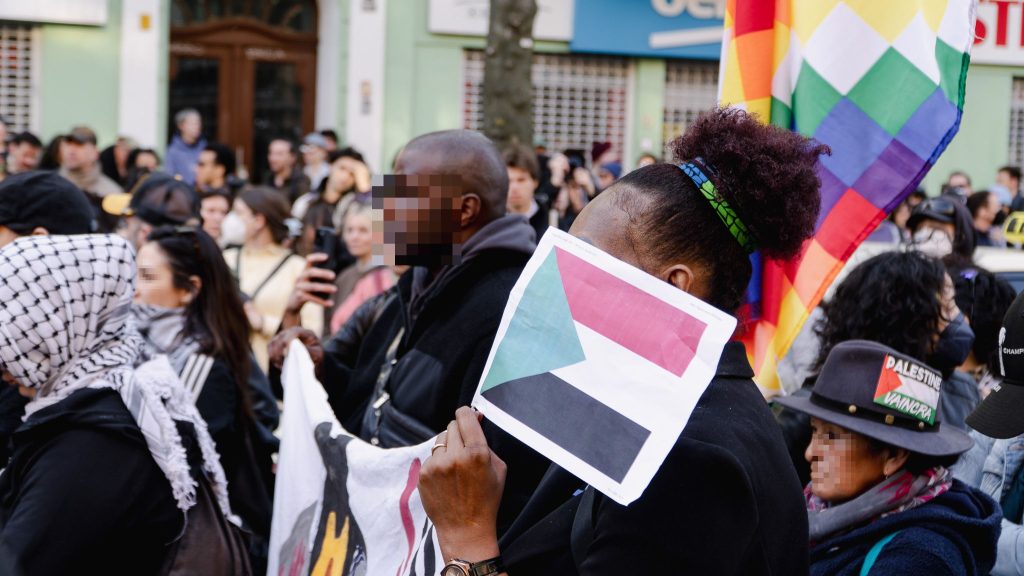
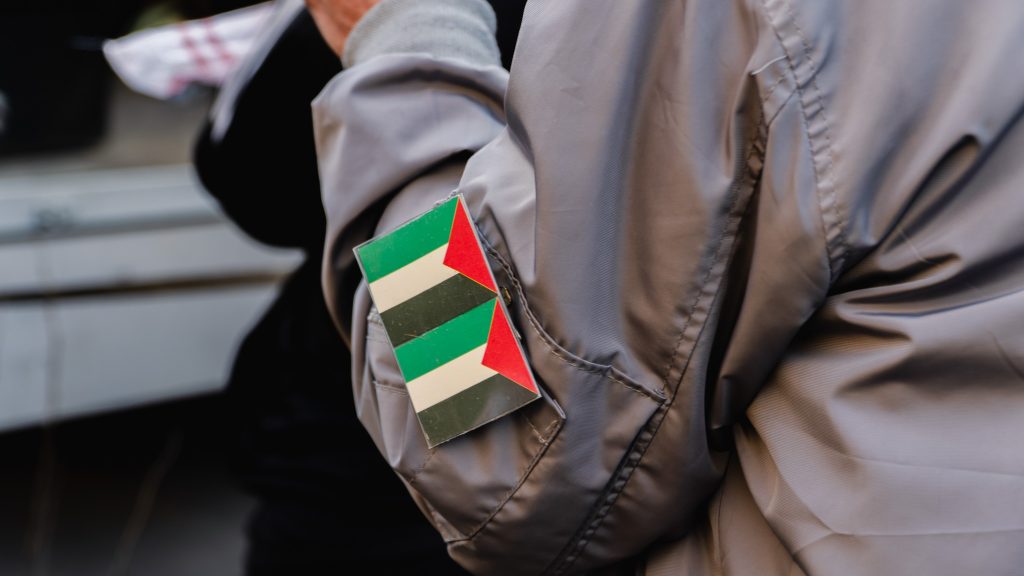
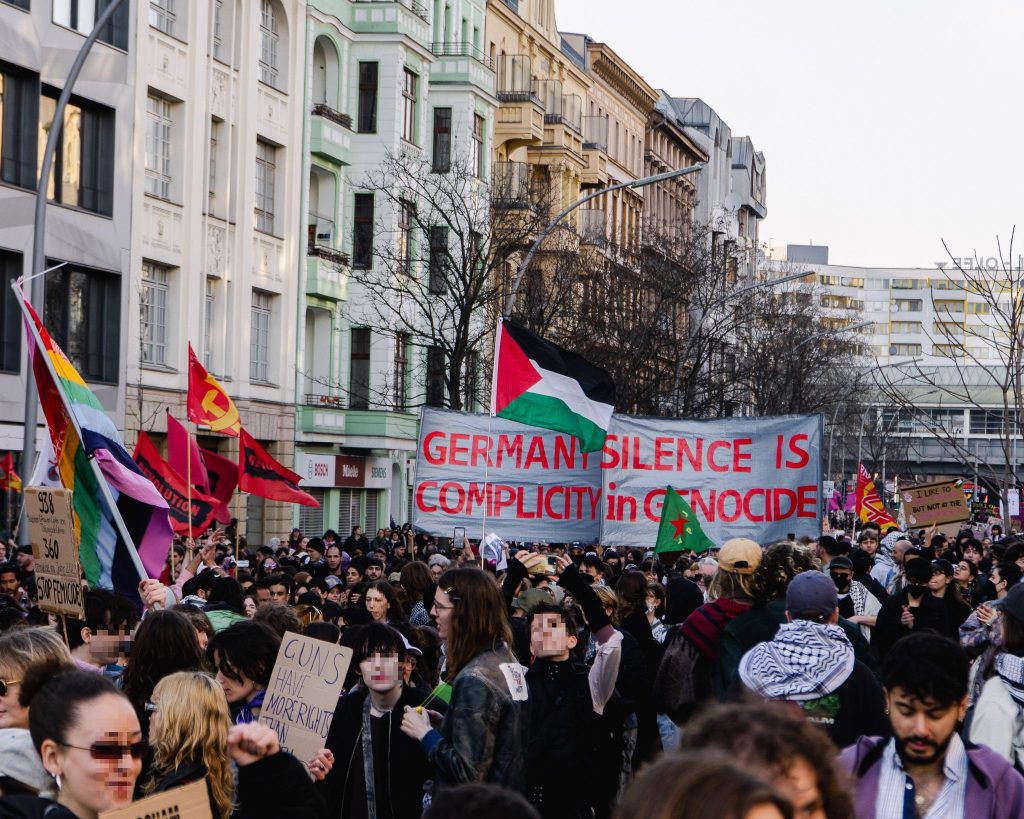
One thing that surprised me positively was the number of people today wearing kuffiyahs or holding Palestine flags. That was not usual for a demo in Berlin. Are you sensing a change in the mood on Palestine?

Definitely. The main change was in visibility. I think people were always in support of Palestine, especially after the situation became so grave. But back in the day, when you wouldn’t see so many kuffiyahs, people tried not to be so conspicuous and attackable.

The situation here in Berlin with the police regarding the topic of Palestine is quite authoritarian. We have lots of repression and violence against Palestine protesters. This meant that people were afraid to openly show their support for Palestine. But now, since the movement has grown so much, people are more and more comfortable about showing support and solidarity.

We also really tried hard to make the connection between the two topics. Oftenthere are single issue demos, and people have one topic which they care about very much, so they only go to those kinds of demos. We try to build the bridges and to intertwine the two topics together, allowingeverybody to be part of this movement, making formore people.

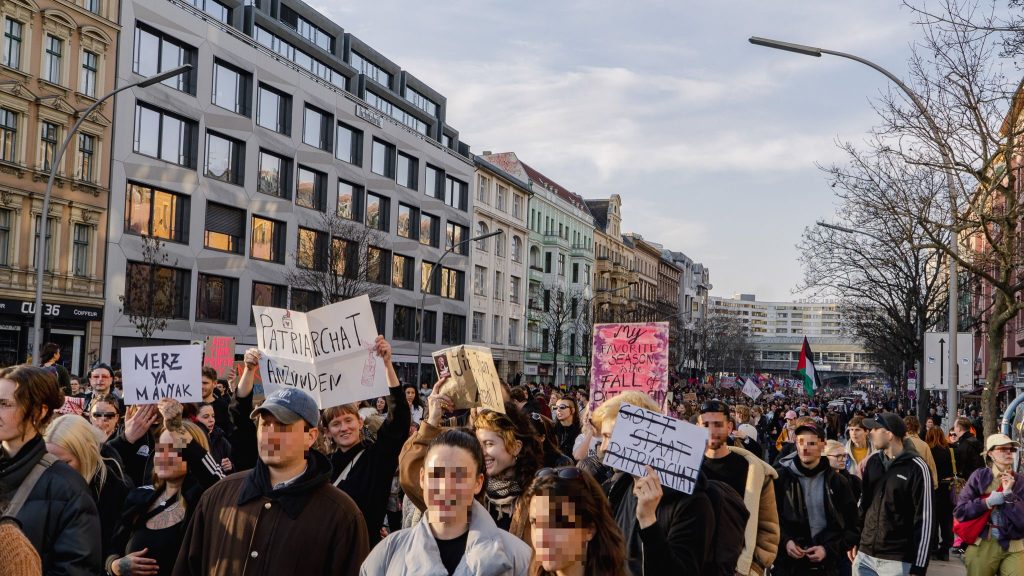
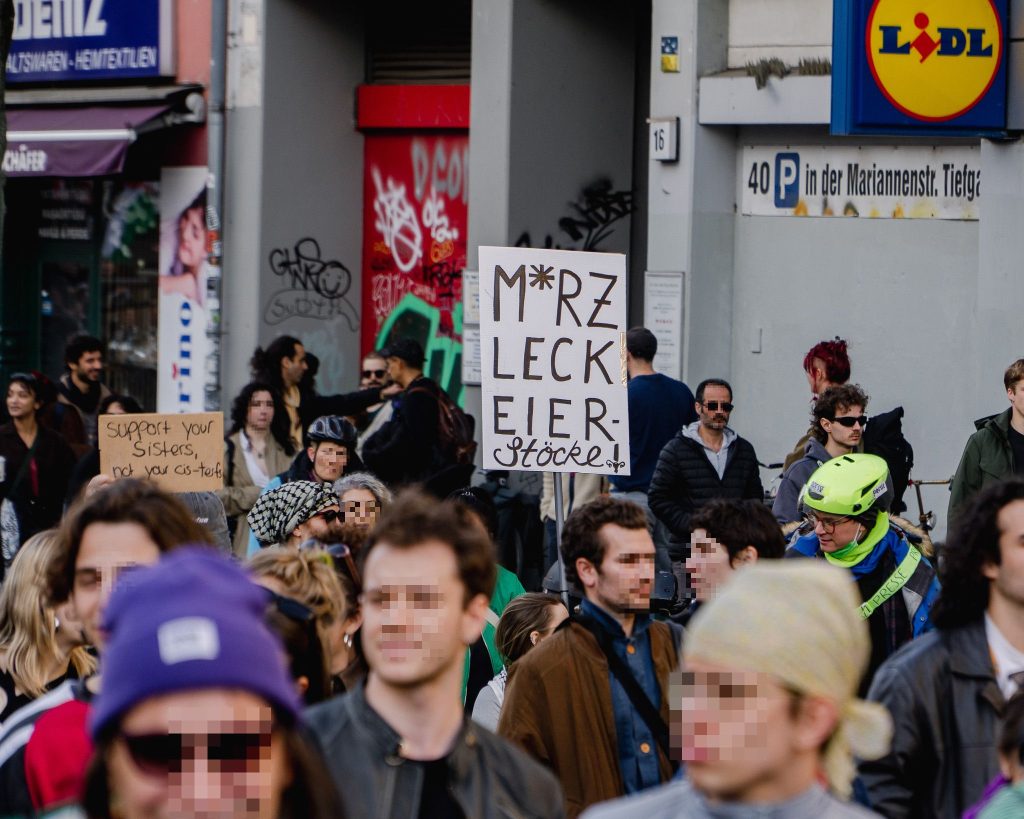
Talking about the police. The police intervened today to ban people from chanting  “Merz, leck meine Eier!” (lick my balls Merz) => possible Link to Merz Leck Eier campaign: www.merzleckeier.de leads to: https://schulstreikgegenwehrpflicht.com/repressionen

Yes. A student was even arrested for holding up a sign with those words. They try intimidating us again and again, and people are holding back against it. But it’s a dangerous situation. People know what might happen. Just two days ago, there was a Palestine demonstration where people were very actively attacked by the police. It happens more on Palestine demos. Here, because it’s primarily minors and students, police are probably more hesitant to run into the crowd.

What was good today was that the school students didn’t let themselves be intimidated by the police.

Yeah, that’s also a thing that we tried to instill in them in planning meetings. We had organisers talking about how to handle yourself if you get into altercations with the police, and if they’re asking you questions and something happens.

We also had talks about legal stuff, so that everybody can be calm. These people are very young. For some of them, this is their first demo ever. We really try to have everybody safe at the demo, because it’s so big. Everybody should have a safe place around them and their friends.

How easy is it to coordinate around the different schools? Presumably, a lot of people don’t know each other.

We had different approaches to that across the city and across the country. In Berlin, there are many more schools as compared to smaller towns or cities.  We had school working groups that met up regularly in different parts of Berlin, additionally to the central school strike committee meetings. 

They gather as many people as possible, giving out flyers and stickers. That went very well. This is not surprising, because everybody loves stickers. We also made posters and Instagram posts. We tried to just reach as many people as we could. 

In the working groups that regularly met up, we – for instance – spoke to the student representative on the student council. We also talked to the teachers and the principal. They were sometimes planning together. 

It worked differently in different schools, because some schools were more supportive, some were less. But even those that were less in support weren’t necessarily against the cause at all. They were just hesitant to allow the students to organize and meet up because they just didn’t want any legal problems with parents. They were scared.

So organising in the stronger schools helped people in the weaker schools to organise?

Exactly

And as you say, this is largely people who’ve not been involved in any political activity before?

Yeah, not at all. That’s the most astounding part. There are people who you gain from these actions who you can win for the greater political cause. We were together with different youth organizations, parties and NGOs. 

We’d get people from “Fridays for Future”, or political parties who would attract new members.  It is a great opportunity to gainpeople for the movement and win them for later activism and organization. Politicizing these students and young people takes them on a journey.

This is interesting, because a lot of social movements are very wary of the involvement of political parties. You are saying that for you it was helpful?

Yeah, it was helpful. Because this is very political. You cannot deny it. For some other movements, you could say it’s just this one thing but that’s not very sustainable. 

“Fridays for Future” is maybe a good example. They didn’t really have the sort of effect that they hoped for in the beginning. While this may have been the first contact with activism for many, even me, they couldn’t keep them engaged in the long run. That is because they didn’t quite make the connection to real-life politics as clear as we did; and how people get involved and how students can stand up for themselves. We really try to make this connection, and I think it really links to them.

This feeds very well to our next question, what happens next? We’ve now had two school strikes. We still have the Wehrpflicht laws. Germany is just about to get involved in another war. How can you be successful?

The next strike is already being planned. We have a new date,  the eighth of May. We are trying to make it a regular thing. We’re just trying to reach more people, to grow more, and to organize and plan better. This puts more pressure on the government to act when everybody is pushing back. Maybe they will. They will find ways to talk about this issue again in the Bundestag. 

We are also currently pushing Kriegsdienstverweigerung, or conscientious objection. The involved groups t are organising consultations where people who are affected by conscription can be informed about how to object.

“Fridays for Future” shows that you can have big demonstrations and a popular movement, but this alone doesn’t guarantee success. What else do you think you need to win this fight?

I think a big factor is education. We are really big on educating these young people about the importance of raising their voices and organizing and building these bridges, how everything in the world is politically connected to each other. That is one thing that I personally believe the “Fridays for Future” failed to manage.

We are working hard to push into these young peoples’ heads that if they have a voice – if they want, they can stand up and push back against the things  affecting them negatively. There is always a way to make your voice heard. You can do something about the situation that you’re in.

I notice that 8th of May is the anniversary of the liberation of Germans from fascism. Is that deliberate?

Yes. We want to connect it to anti-fascism and the rise of right wing extremism. We want to remind everybody of how you can fight back. On top of that, there is an apparent remilitarisation process going on with the rising production of weaponry and, as you mentioned, Germany’s support in the war against Iran by Israel and the USA. Our students say “no war ever again”, meaning everywhere in the world and they’re very vocal about that. Because, as I said already, everything is tied together. 

Germany is not the only country experiencing school strikes. How are you linked to the similar movements in other countries?

We received a request from Italy – an Italian activist reached out to us to get connected. They are facing similar kinds of problems thereand they’re organising protests. We had a European zoom call, where we talked about organizing, and they even invited us to their summer camp.

They asked about how we are organized, and have been trying to get other European countries to join in. I don’t have every country in my head right now, but we now have Italy, Portugal, France, and Slovenia on our side, for example. 

What can people do to support the strike, particularly people who aren’t school students, but support the aims

A big factor is talking about it with other people – everybody you know. Talk about the movement. Share it on the social media platforms that we’re posting it on. We have different accounts, like Nein zur Wehrpflicht, Nein zur Wehrpflicht Berlin, Schulstreik gegen Wehrpflicht, and  Schulstreik gegen Wehrpflicht Berlin, but many other Cities across Germany have their own accounts.

Get organized, talk to people, go to the meetings. Even if you’re not a student, you can be part of the planning meeting and just organise. If you’re young and have never been politically active at all, talk to your parents about it. Talk to your aunts and uncles and your grandparents about it. Maybe they have knowledge and you wouldn’t even know that they were once politically active.

Just get organised. Get friends to go on the journey with you.

And everyone is welcome to demonstrate on the eighth of May? 

One hundred percent!
Red Flag: Berlin’s Biggest Women’s Day in Decades

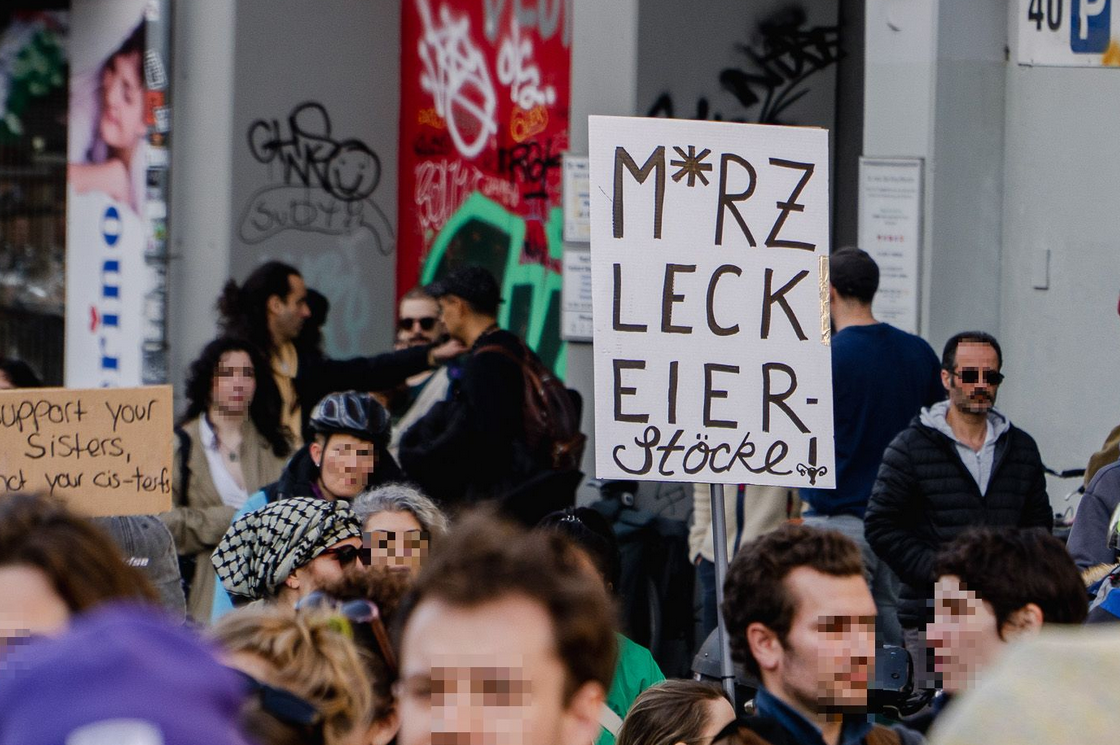
“March, lick ovaries!” This slogan will make sense by the end of Nathaniel Flakin’s weekly column.

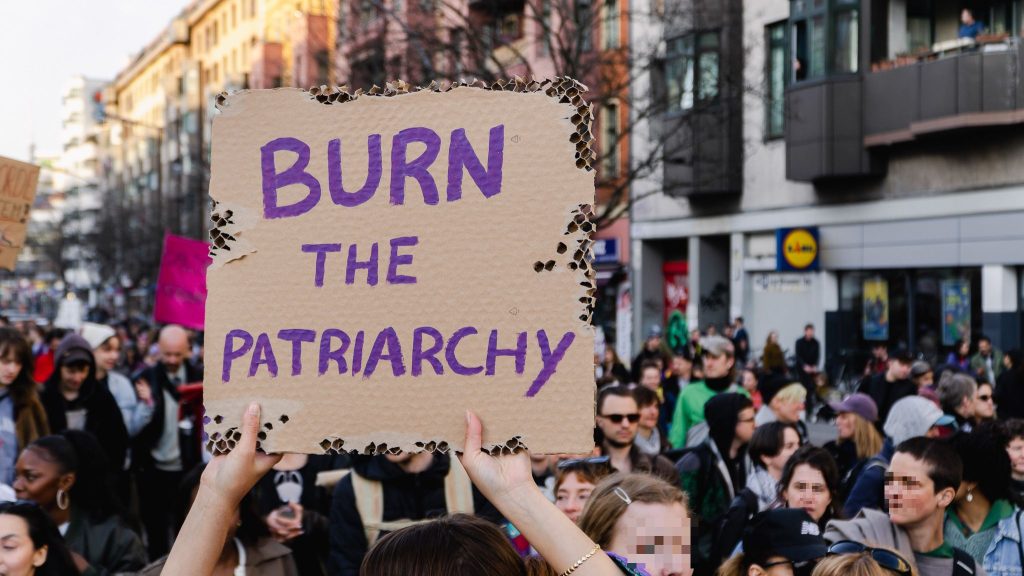
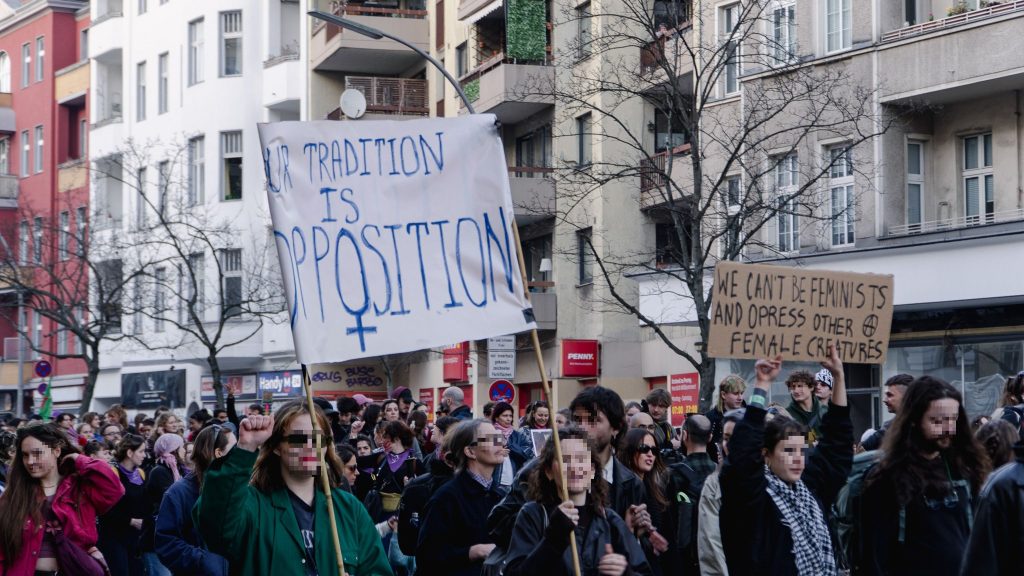
Women March Sign: Merz Leck Eier Stöcke

When I went past the statue of Käthe Kollwitz a few weeks ago, I didn’t understand why it was covered with floral arrangements. Had I missed some anniversary? No, it turned out this was an advertisement for a flower shop offering cheap bouquets for March 8.

This was not, by a long way, the worst misappropriation of International Women’s Day, a holiday launched in 1910 by Clara Zetkin and other socialist women.

This year, the German army offered Tiktoks and “diversity as strength” factsheets. Women soldiers of Israel’s genocidal military proclaimed: “I’m not here to watch history from the side. I’m here to build it.”

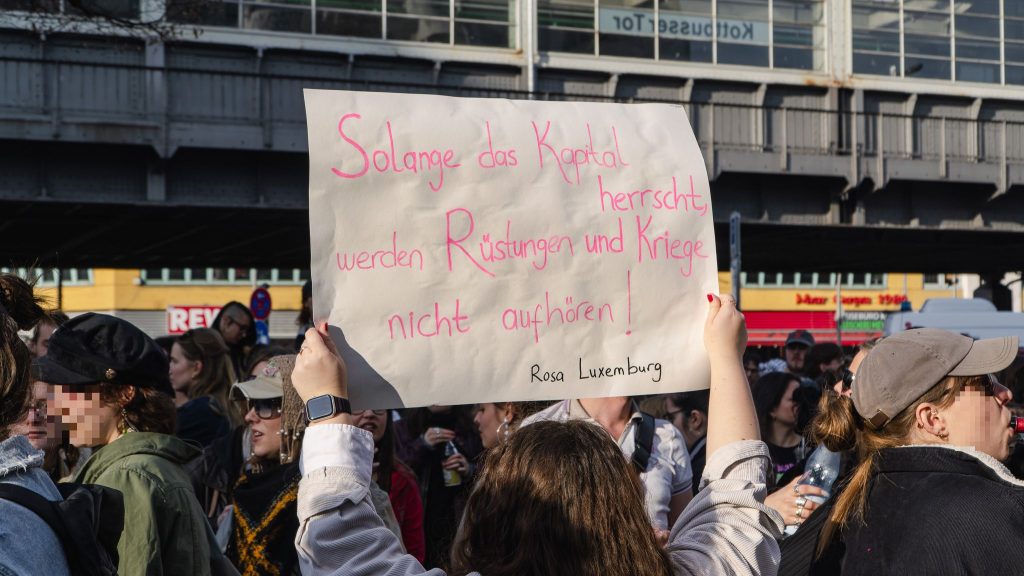
The future that imperialists are building could be seen in Minab, where graves for over 150 schoolgirls were being dug; in Teheran, where burning oil rained down on millions of women; or in Gaza, where tens of thousands of women have been massacred, and many more lack food, hygiene, and health care.

Women can now commit genocide alongside men—the glass ceiling has been smashed forever!
Two Demonstrations

Despite imperialist attempts to co-opt Women’s Day, the revolutionary foundations of March 8 can still be seen. Berlin saw not one but two massive demonstrations. 

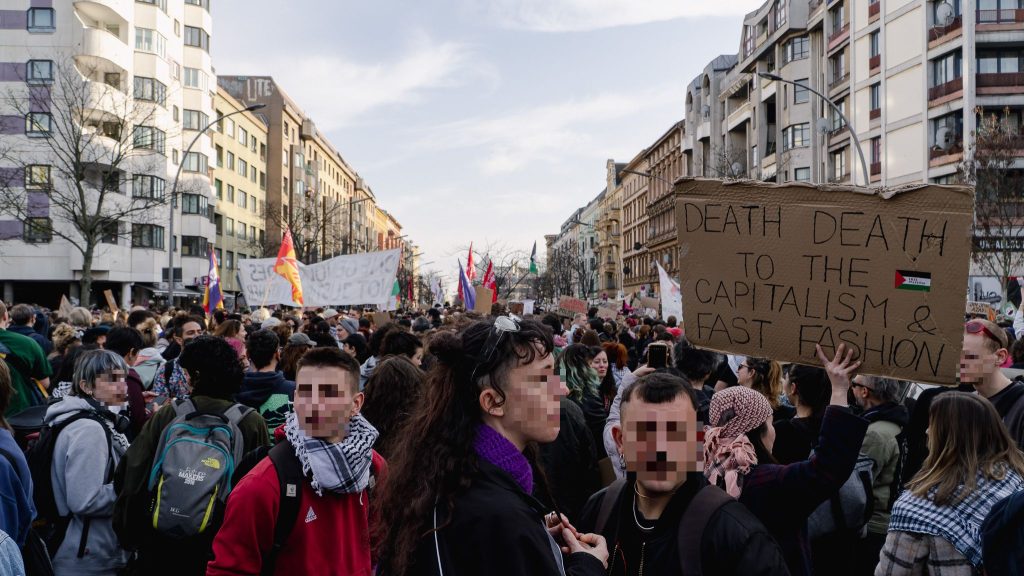
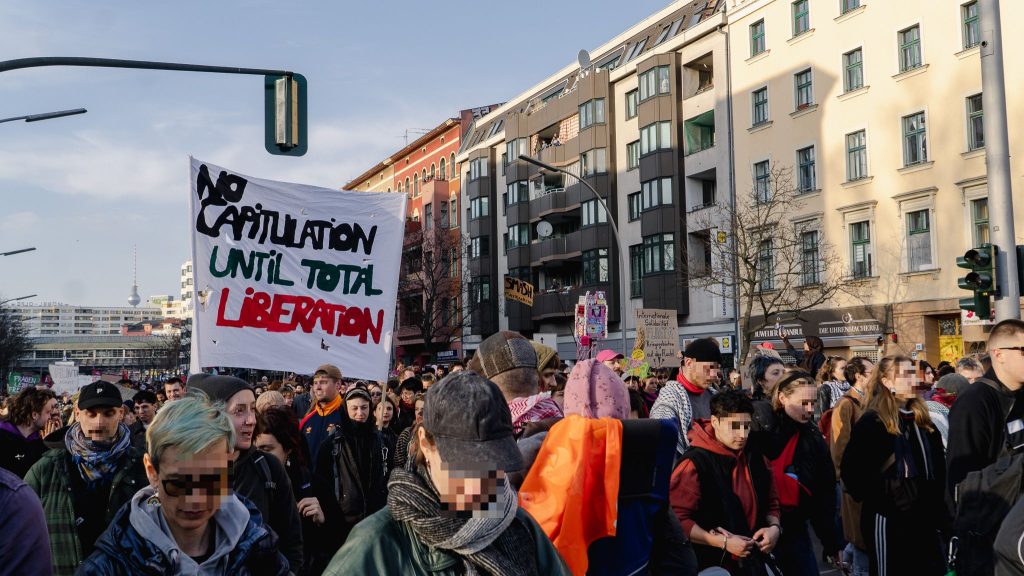
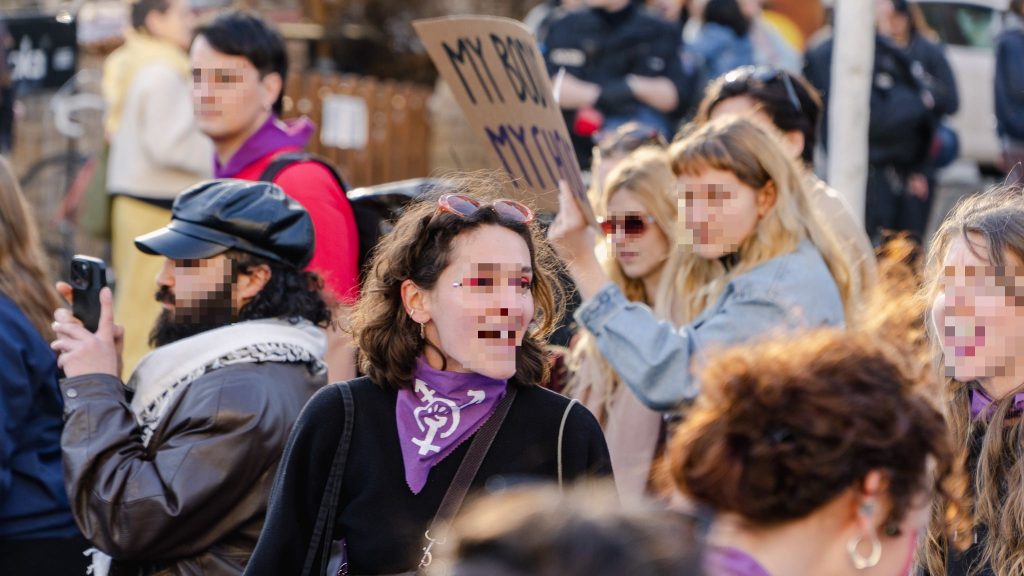
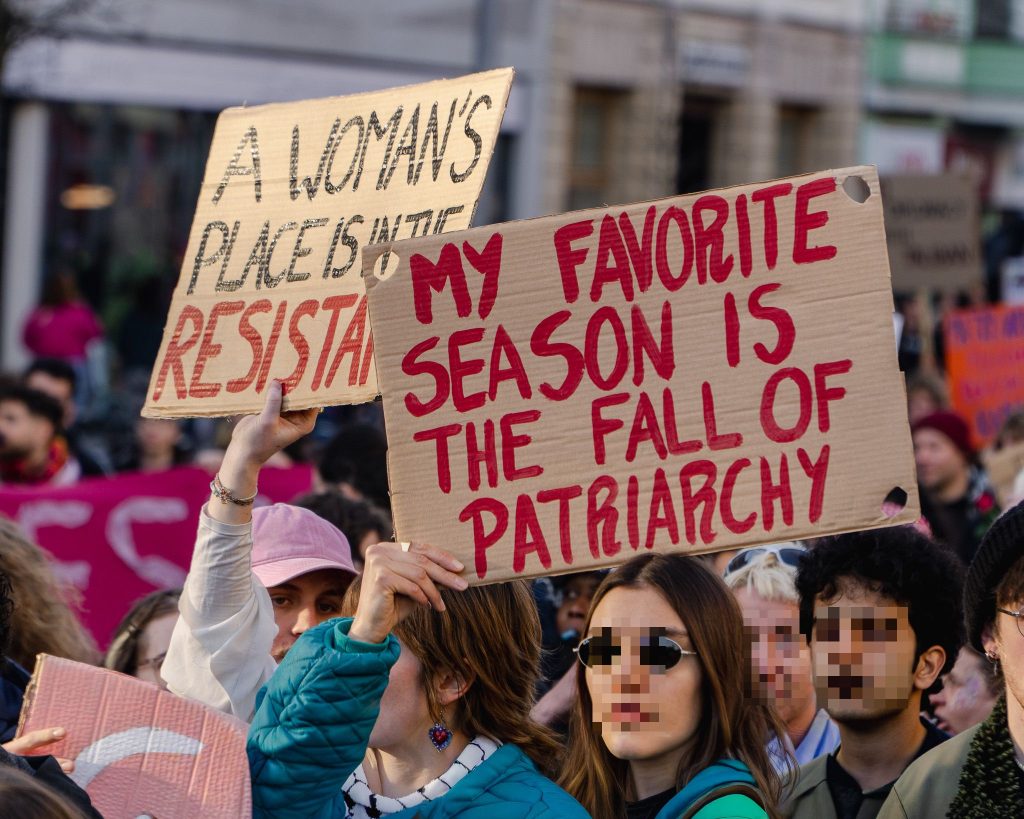
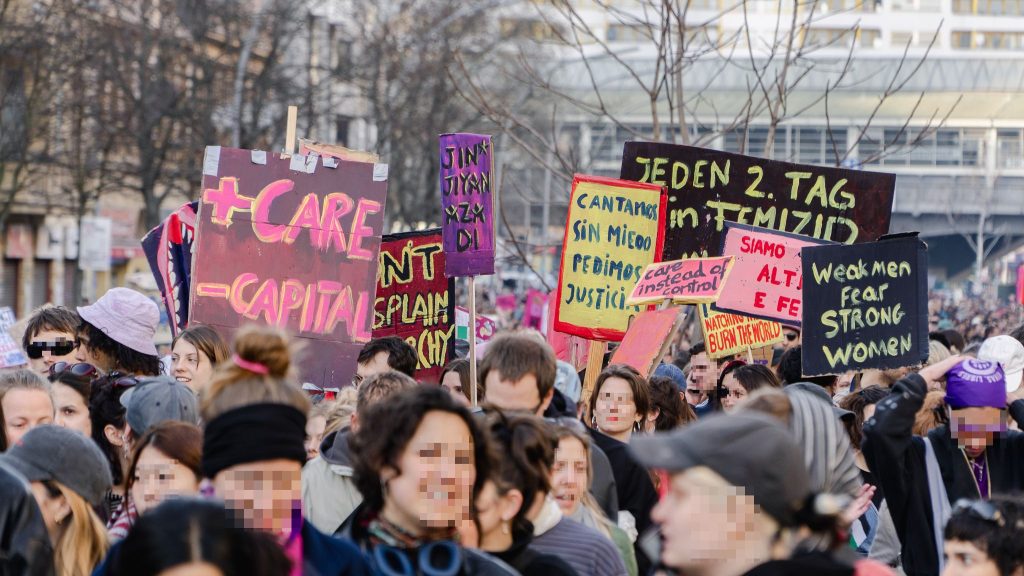
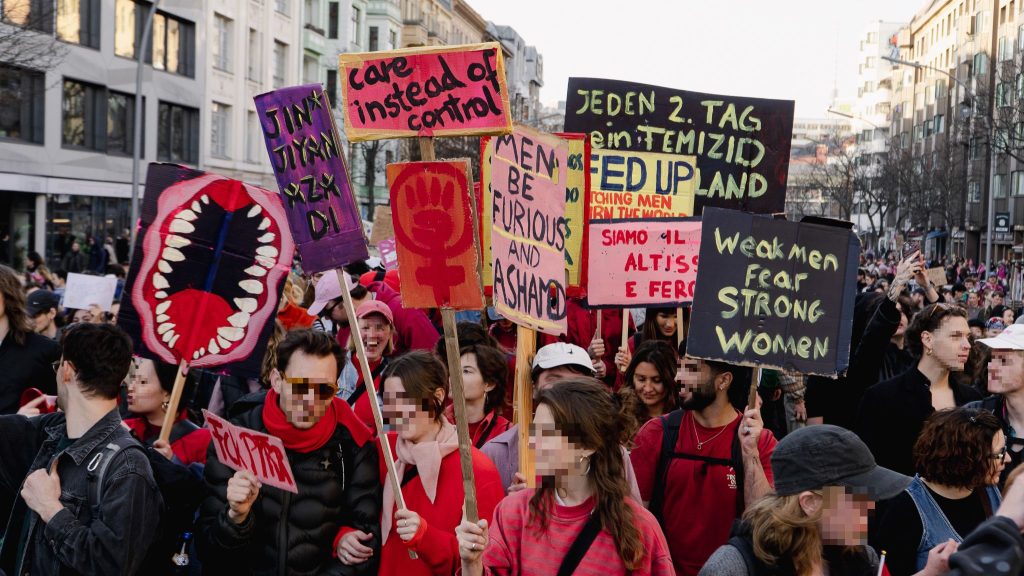
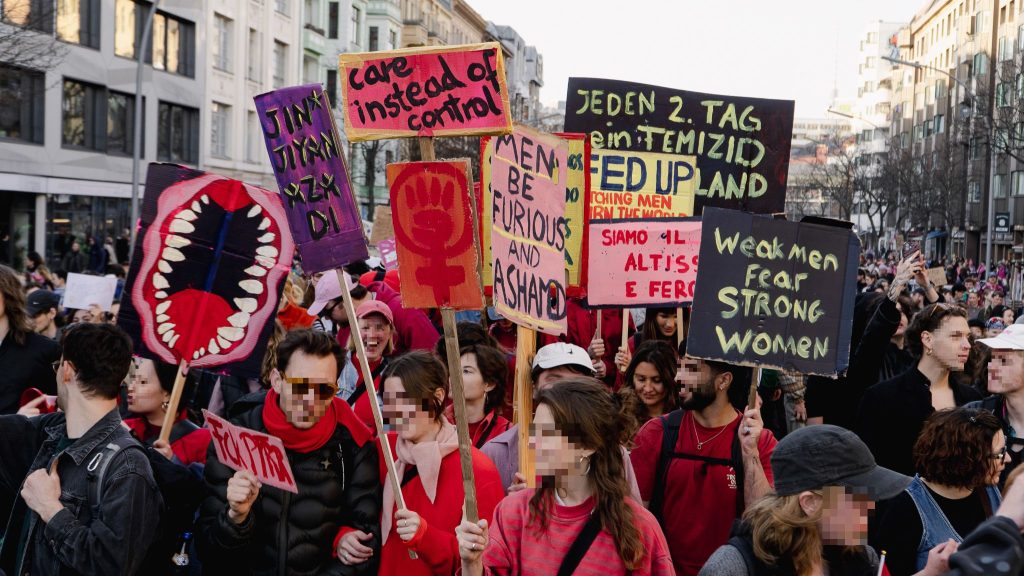
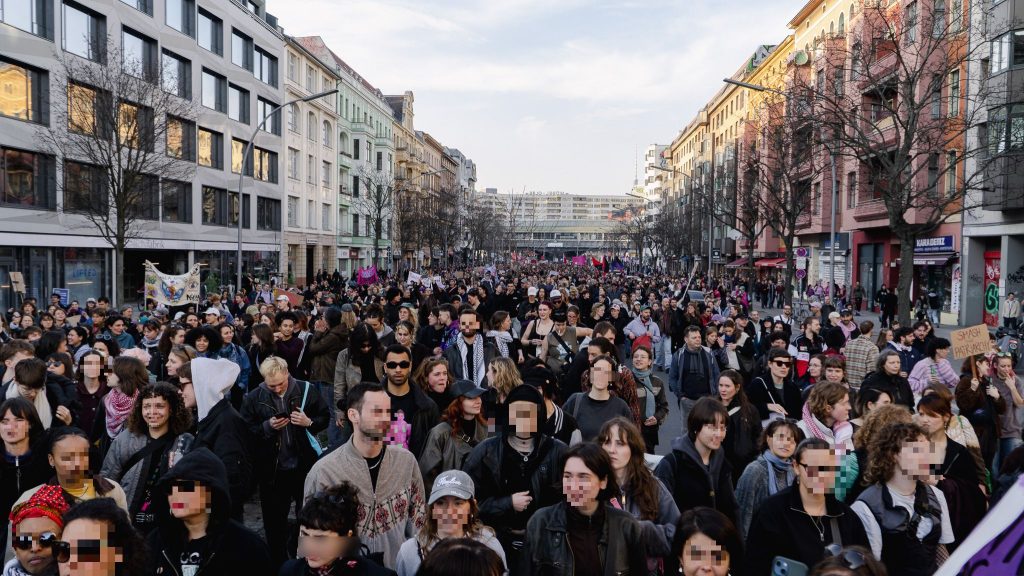
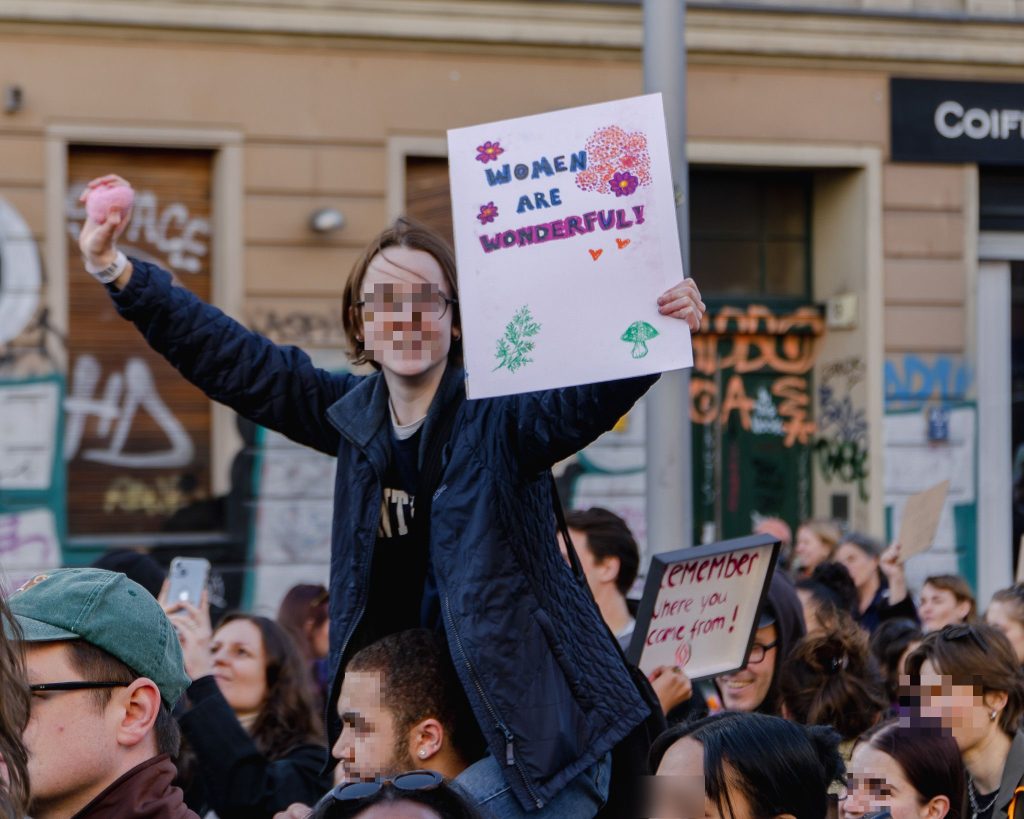
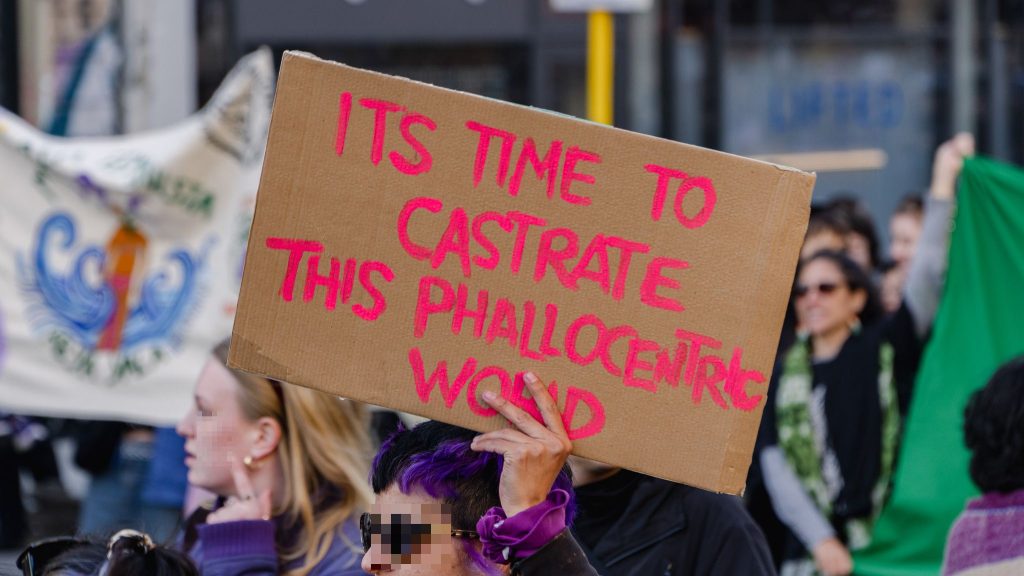
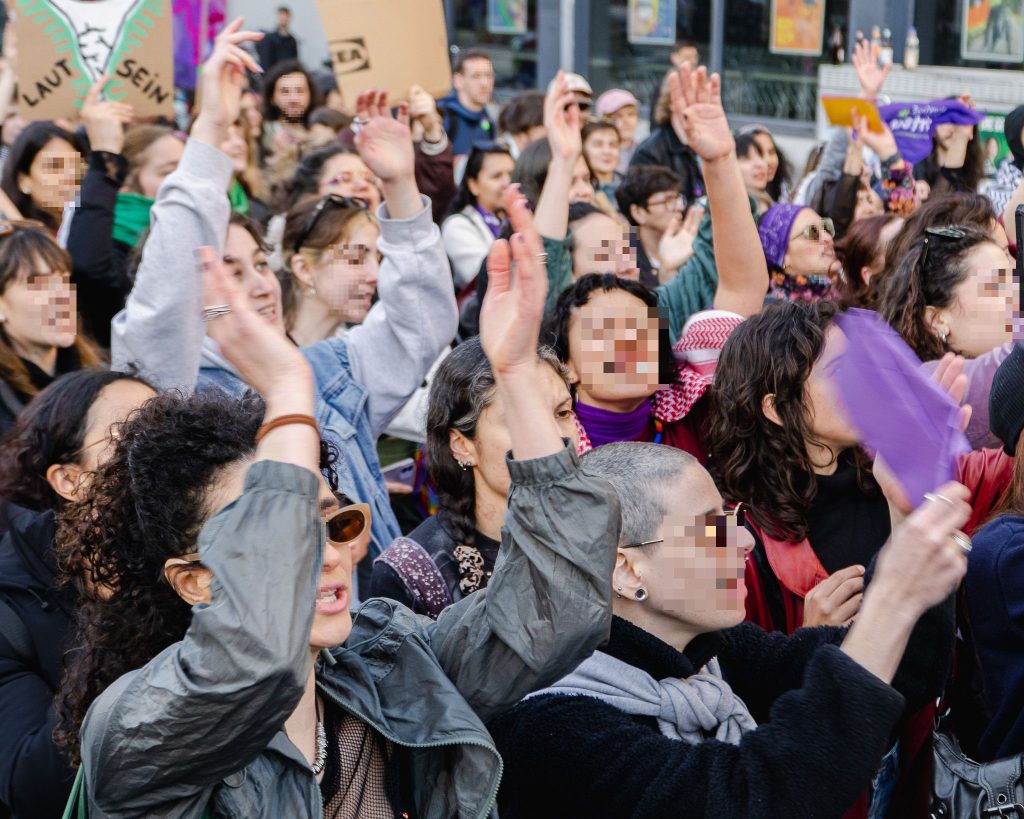
When I moved here over 20 years ago, Frauentag had almost disappeared, with only tiny events. This year, some 30,000 people came to the demonstration at Oranienplatz (somewhat bigger than last year, which was already huge). Feminism is channeling a lot of rage against austerity, imperialist wars, and the Rechtsruck (shift to the right).

The march to the Red City Hall was organized by different unions, including the confederation DGB and the service sector union ver.di, but there were also big contingents from political groups, ranging from radical leftists to the Green Party. 

As speakers pointed out, Germany remains a deeply patriarchal society. On average, a woman is killed every 72 hours by a partner or ex. Women earn 16% less than men. Abortion, while decriminalized under certain circumstances, remains illegal

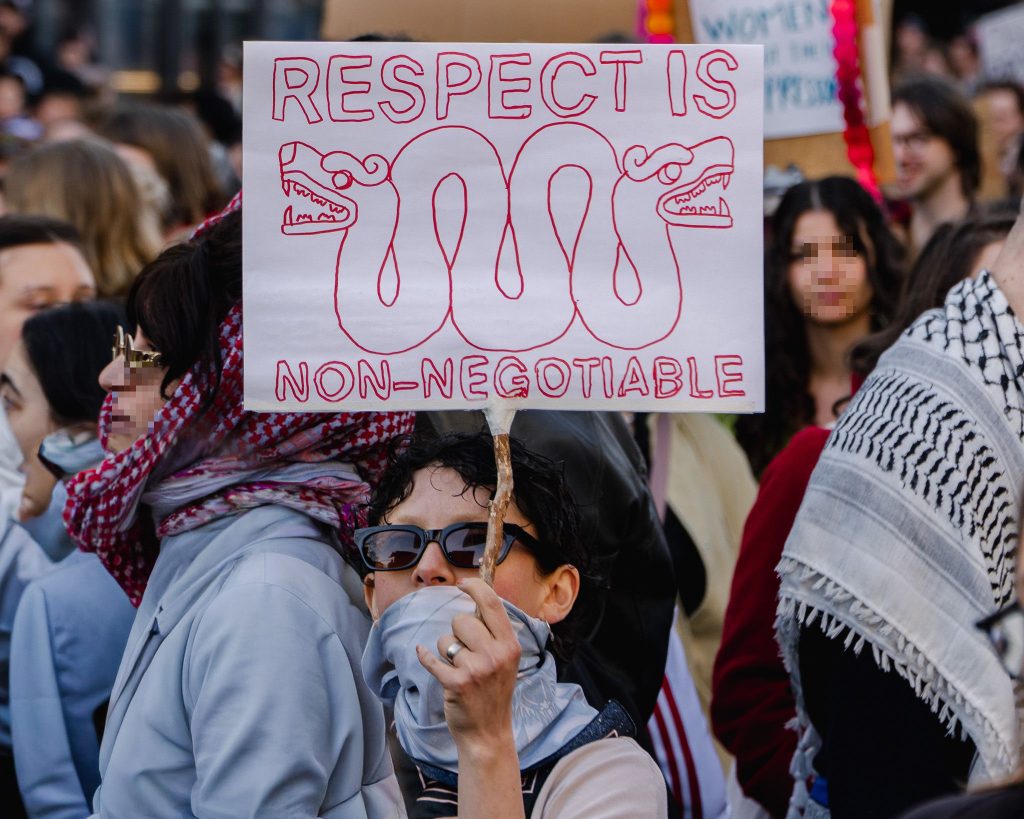
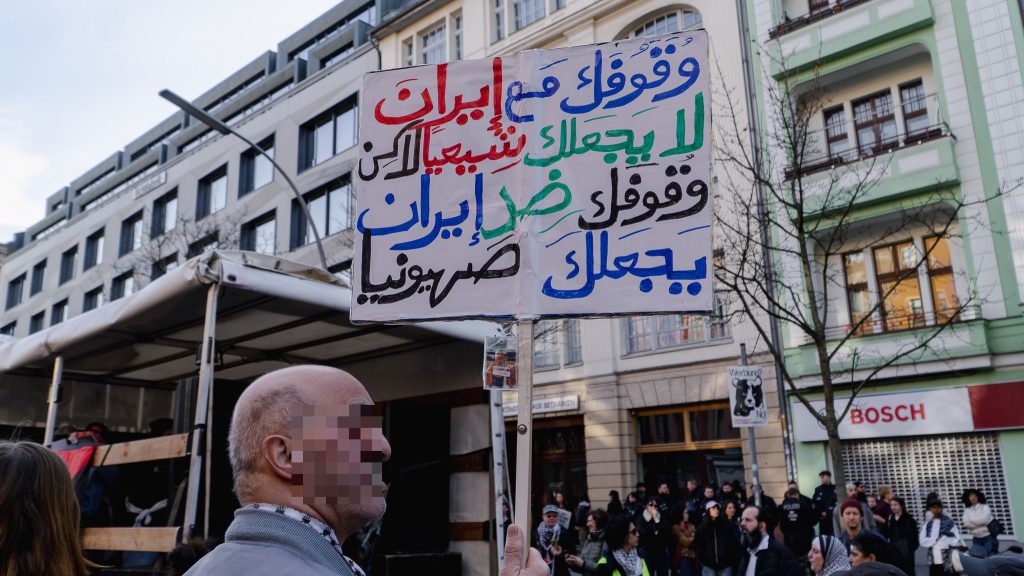
Many speeches expressed solidarity with women in Iran, yet often in vague terms denouncing “war” and “oppression,” without saying directly that it is the U.S. and Israeli bombings that are killing Iranian women. This kind of both-sideism amounts to neutrality in the face of a horrific imperialist attack—and this is why the Green Party felt welcome, even though their “feminist foreign policy” consists in justifying the bombing of hospitals.

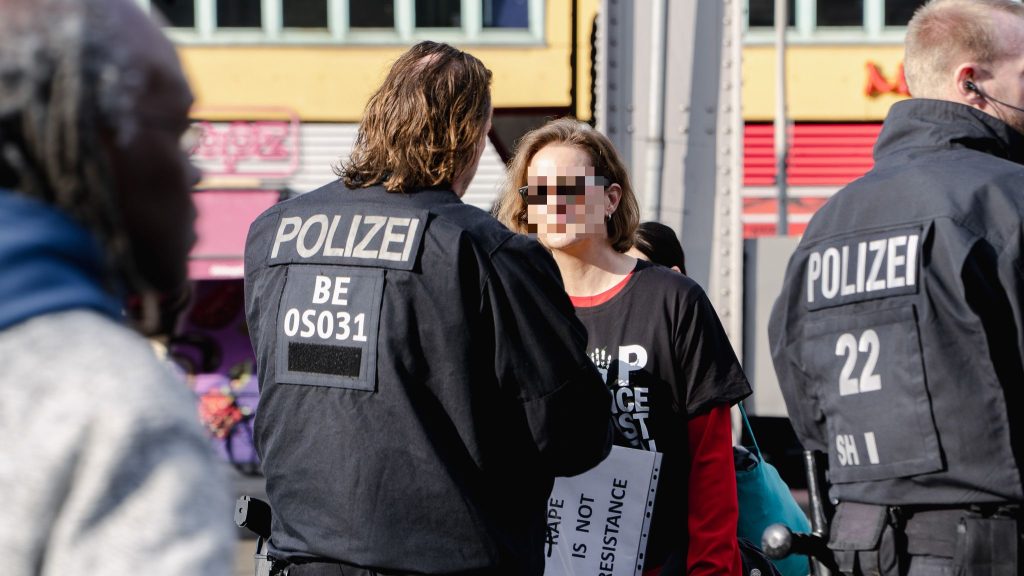
A second demonstration in the afternoon, starting just a few hundred meters away, tried to fill that gap. As in previous years, the Alliance of International Feminists called on people to “Rise in Rage” against imperialist war and occupation. This demonstration went through Kreuzberg and Neukölln, accompanied by heavily armed police.

These thugs were more restrained than last year, when images of cops punching women in the face went around the world. The legendary Kitty O’Brien was detained again, clearly not intimidated by police violence that previously put the Irish activist in the hospital.

March Lick Ovaries 

All of Germany has been talking about a slogan from the school strike against militarism last Thursday. An 18-year-old was arrested for the sign: “Merz, lick eggs!” I’m too old to know exactly where this phrase comes from, but the meaning is clear enough, and thousands of kids were shouting it at the demonstration. Thanks to the repression, it’s now got its own domain: merzleckeier.de

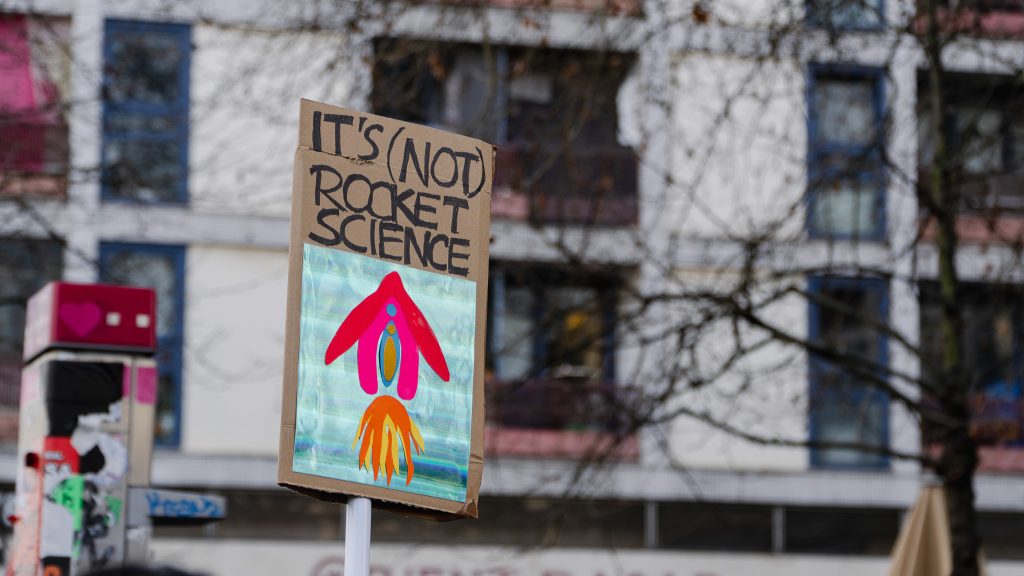
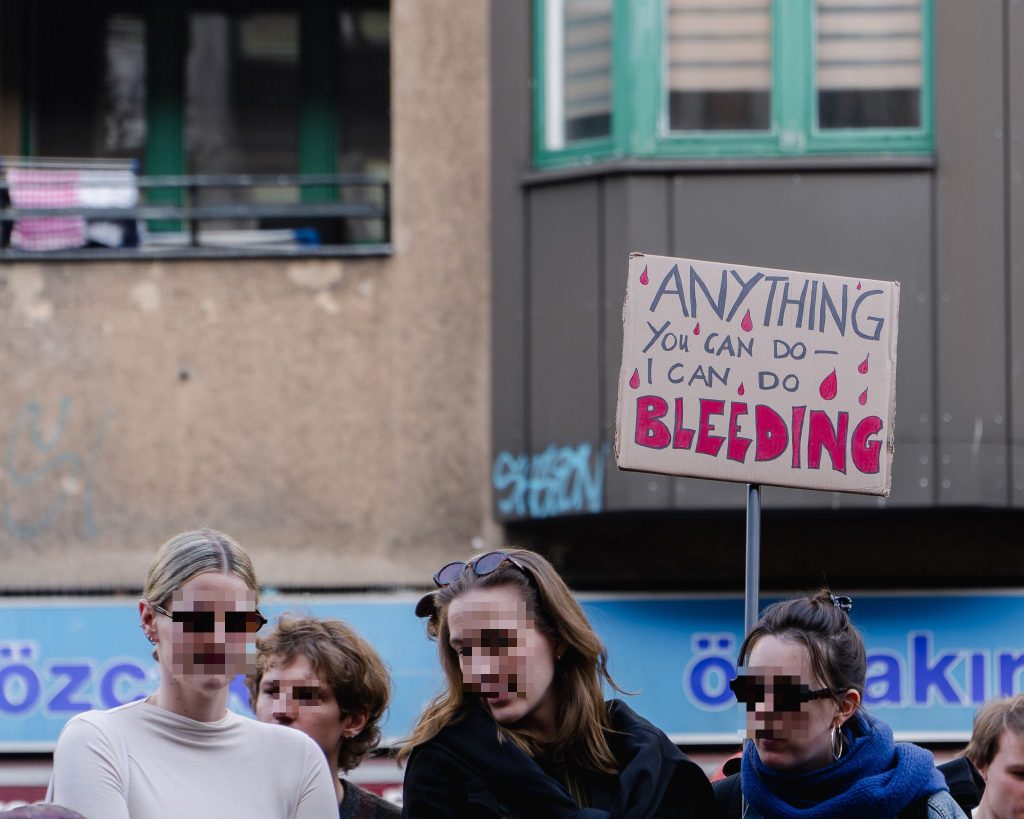
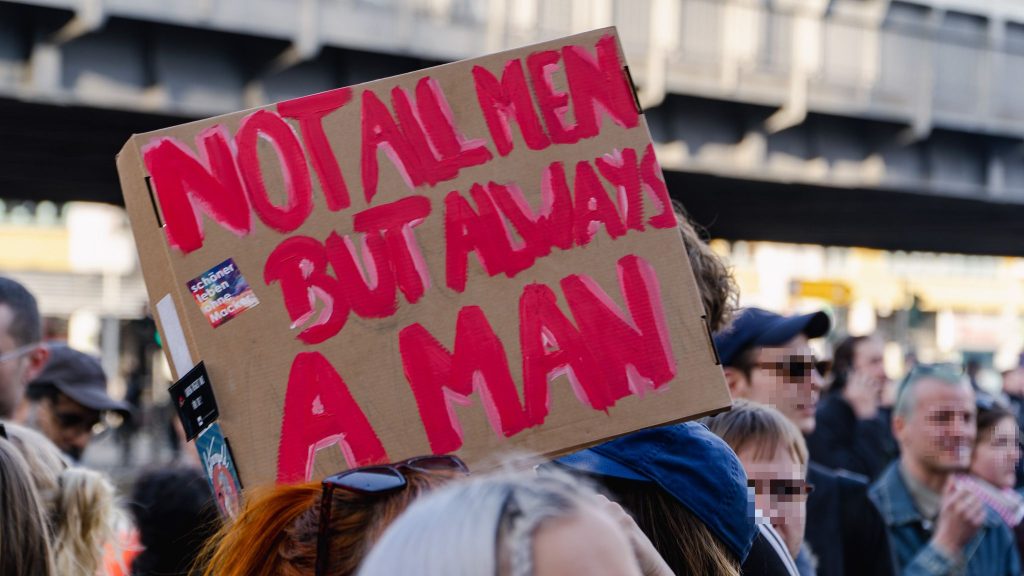
On March 8, we saw a feminist version: “M*rz, leck Eierstöcke!”, with “egg-sticks” being the German word for ovaries. The asterisk leaves some ambiguity: This could just as easily be the month of März as the Blackrock manager Friedrich Merz. The woman carrying this sign was grabbed by police after she left the demonstration, as she reported to me. Two hours earlier, people had overheard cops talking about detaining her, but they waited until she had left the crowd to pounce. “In the wheelchair I’m less likely to vanish,” she said.

Is it actually a criminal offense to tell a politician to lick eggs, right before Easter when the whole country is full of colorful candy eggs? I suspect charges will be dropped, as the embarrassment for the state grows. This shows that the German state, in its quest to become a world power, is nervous about the extreme unpopularity of militarism.

Thus, March 8 in Berlin combined women workers’ protests against exploitation with anti-imperialist solidarity and fights against militarism. It’s just what Clara Zetkin and Käthe Kollwitz would have wanted—despite florists and IDF social media managers.

Red Flag is a weekly opinion column on Berlin politics that Nathaniel has been writing since 2020. After moving through different homes, it now appears at The Left Berlin.

News from Berlin and Germany, 11th March 2026

Weekly news round-up from Berlin and Germany

News From Berlin

Weimer removes left-wing bookstores from the prize list

Wolfram Weimer (independent), the Minister of State for Culture, is once again intervening politically in cultural affairs. Having already acted in the context of the debate surrounding Berlinale director Tricia Tuttle, he is now intervened in the German Bookstore Prize. He has excluded three bookstores already shortlisted by the jury from the award ceremony: the Berlin bookstore “Schwankende Weltkugel” (Shaky Globe), the Bremen “Golden Shop,” and the Göttingen “Rote Straße” (Red Street). Weimer justified his decision with “findings relevant to the protection of the constitution,” without specifying what these were. Those affected intend to take legal action. The prize ceremony has been cancelled following the backslash. Source: spiegel


“From the River to the Sea” – with the blessing of the police

Anyone on Berlin’s streets who shouts a single phrase of the pro-Palestinian slogan “From the River to the Sea, Palestine will be free” risks arrest, charges, and criminal proceedings. However, when a Christian association with the opposite agenda proclaims that “God in the Bible grants the land of Canaan ‘from the river to the sea’ exclusively and irrevocably to the Jewish people,” this apparently poses no problem. On the contrary: Berlin’s chief of police, Barbara Slowik Meisel, even participated as a guest of honor at the “Israel Day Berlin-Brandenburg 2026” organised by the association “Christians on the Side of Israel”— the very organization that questions the right of Palestinians to exist in Israel and Palestine. Source: taz


Tricia Tuttle remains director of the Berlinale – but with conditions

The potential dismissal of Berlinale director Tricia Tuttle last week has immediately mobilized the film industry, and she will remain director of the Berlin International Film Festival. However, there will be certain conditions in the future. This is the outcome of a meeting of the festival’s supervisory board, the Federal Government’s Cultural Events in Berlin (KBB), as Minister of State for Culture Wolfram Weimer (no party) announced on March 4. Plans include an “advisory forum” and the development of a code of conduct for all cultural events funded by the German state, Weimer explained. Source: dw


A Berlin factory and the controversy over militarisation in Germany

A factory in Wedding is in the midst of a controversial transformation. Starting this summer, most of its employees will be tasked with manufacturing grenades for large-caliber ammunition—without any actual explosives being present on site, as the owner, Pierburg, a subsidiary of the industrial conglomerate Rheinmetall, emphasises. Activists from the “Berlin Alliance Against Arms Production” (BBgW), a group of around 30 organizations fighting against militarisation of German industry, have tried to talk to the employees, without much success. In a statement to DW, Rheinmetall said converting the factory to weapons production was a response to economic developments “characterised by shrinking sales in the automotive sector, coupled with a huge increase in demand in the military sector.” Source: dw


News From Germany

“The long-term is disastrous”

In an interview, “nd” reports that, despite a settlement has been in place for two weeks in the public sector wage dispute in the German states, there are still issues. For example, the raise of 5.8% which employees are to receive in three stages over 27 months will not be enough to cover inflation. There is also the belief that the long contract term of 27 months is a disastrous flaw, as it’s only slightly shorter than the term demanded by the collective bargaining association of the federal states. In this case, a demand for a twelve-month contract term should be a central objective, to enhance the mobilisation of the employees. Source: nd-aktuell


AfD achieves around 19% in Baden-Württemberg: a poisoned success for the “fighting dwarf”

The Greens won in Baden-Württemberg and the AfD doubled its result there: Around 19%, the third-strongest party. For many in the AfD, this now feels nevertheless like a defeat. After all, its politicians know the AfD is far from a majority government in the southwest, and no one wants to form a coalition with them. Its candidate, Markus Frohnmaier, managed the feat of spending election week not in Baden-Württemberg, but in Washington, D.C., where he networked with the MAGA movement. Nevertheless, the AfD is likely to emerge from election night with a boost once the result shows how stable its electorate has become. Source: tagesspiel


Asylum policy and family separation

The Bundestag decided in June 2025 the special protection of the family, as emphasized in Article 6 of the “Basic Law” (Grundgesezt) would not apply to refugees, or would apply even less than before. For those who came to Germany as minors from war zones, this means that they will be separated from their relatives for longer. Last week, Jan Köstering (Left Party) asked the federal government about the consequences of that measure. Daniela Ludwig (CSU), from the Federal Ministry of the Interior, stated this measure had “significantly reduced” the number of people entering the German social welfare system: according to ministry figures, only 150 visas for family reunification with beneficiaries of subsidiary protection have been issued since August 2025. Source: nd-aktuell


Germany is looking for a female president

In one year, Germany’s head of state will be re-elected. Many would like to see a woman at the helm for the first time. But who? Chanceler Friedrich Merz (CDU) plans to announce a name in September. The Green Party suggested former Chancellor Angela Merkel as a candidate, but she immediately dismissed that proposal. Other names such as Julia Klöckner (CDU), Ilse Aigner (CSU), and Karin Prien (CDU) are also frequently mentioned, each of them with gains and eventual political constraints. Even the name of a writer, Juli Zeh, is being considered since she already has administrative experience as a volunteer constitutional judge in her state. Source: dw

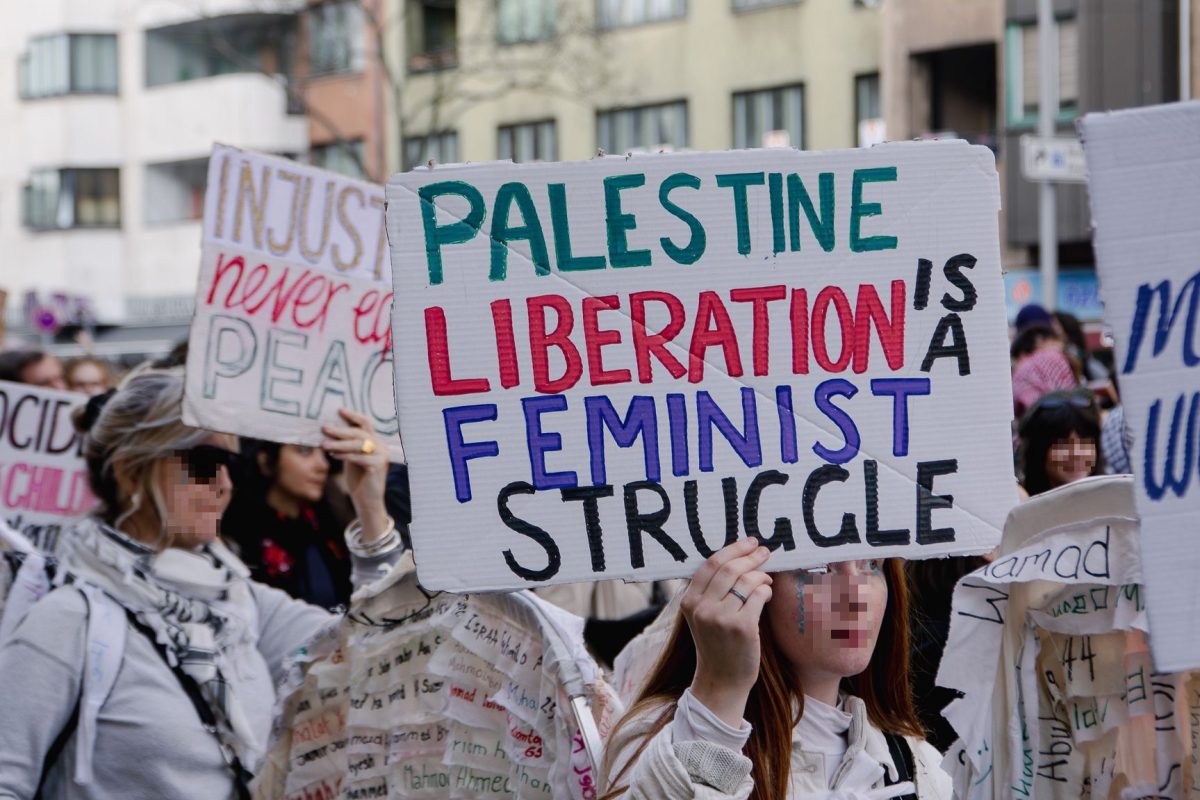
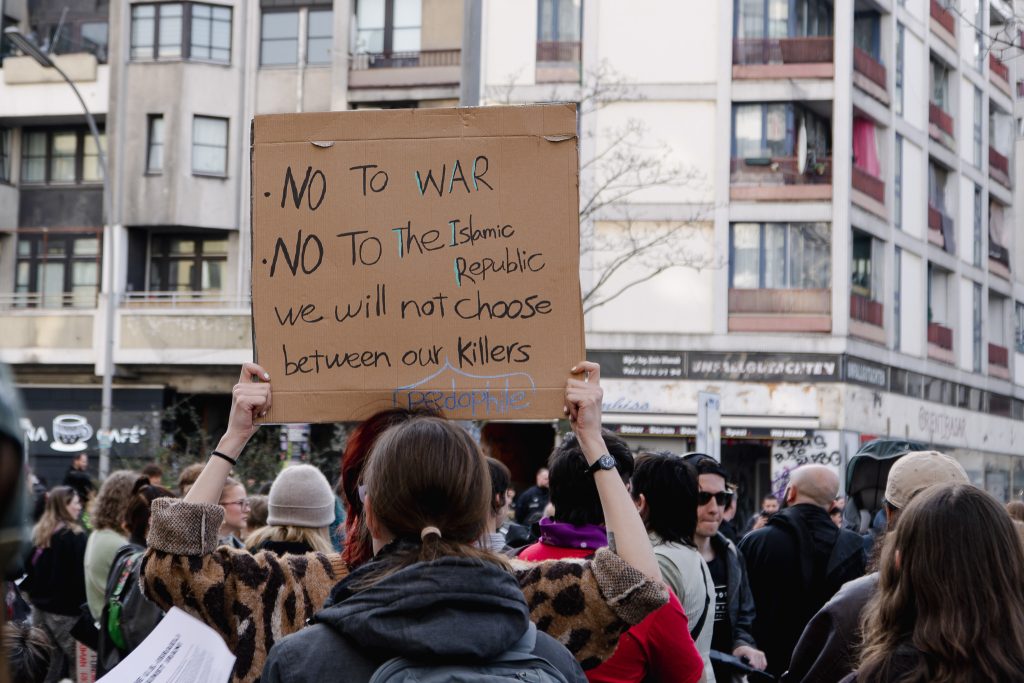
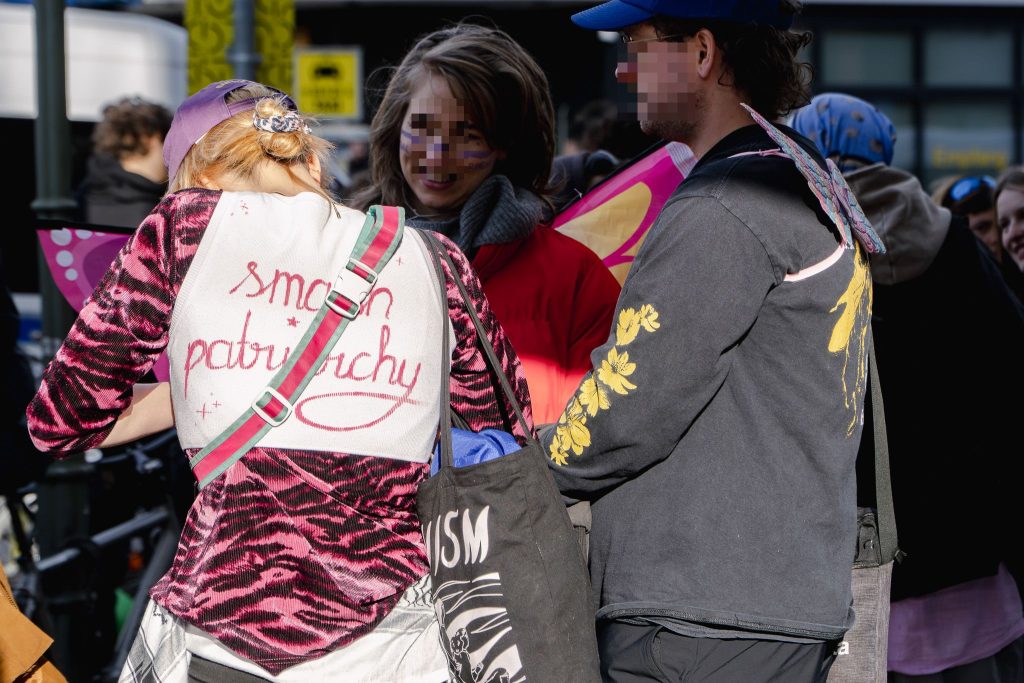
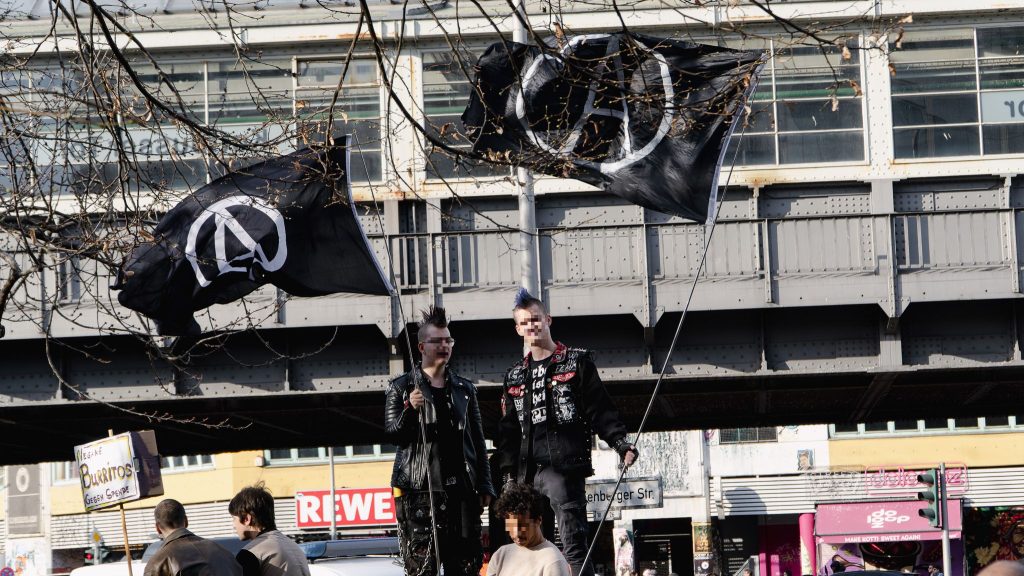
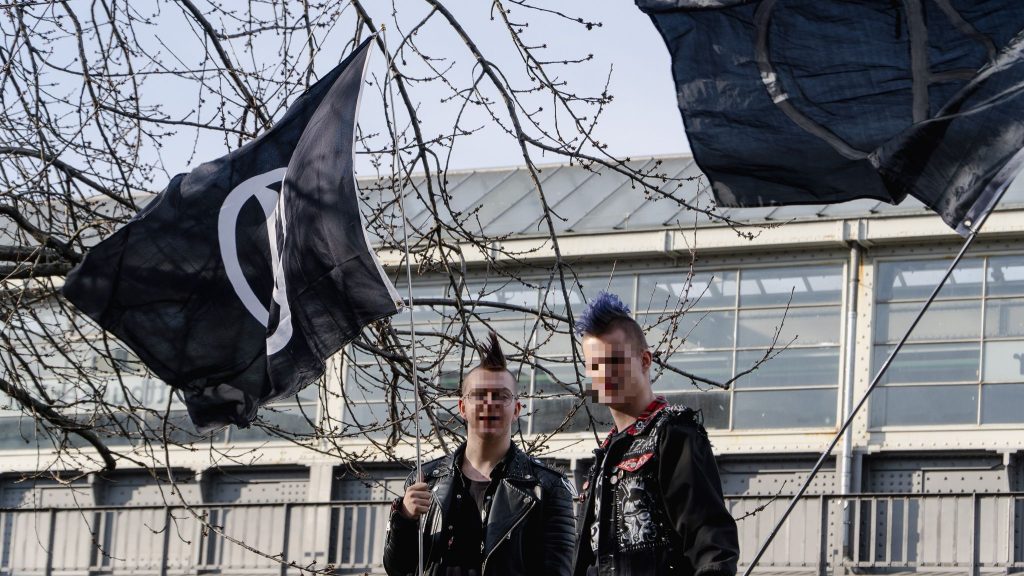
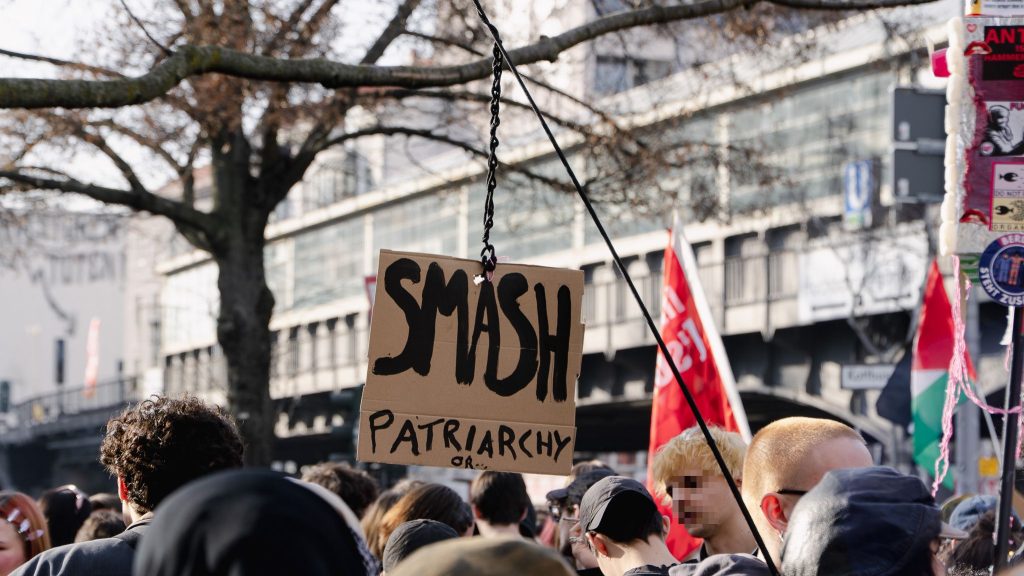
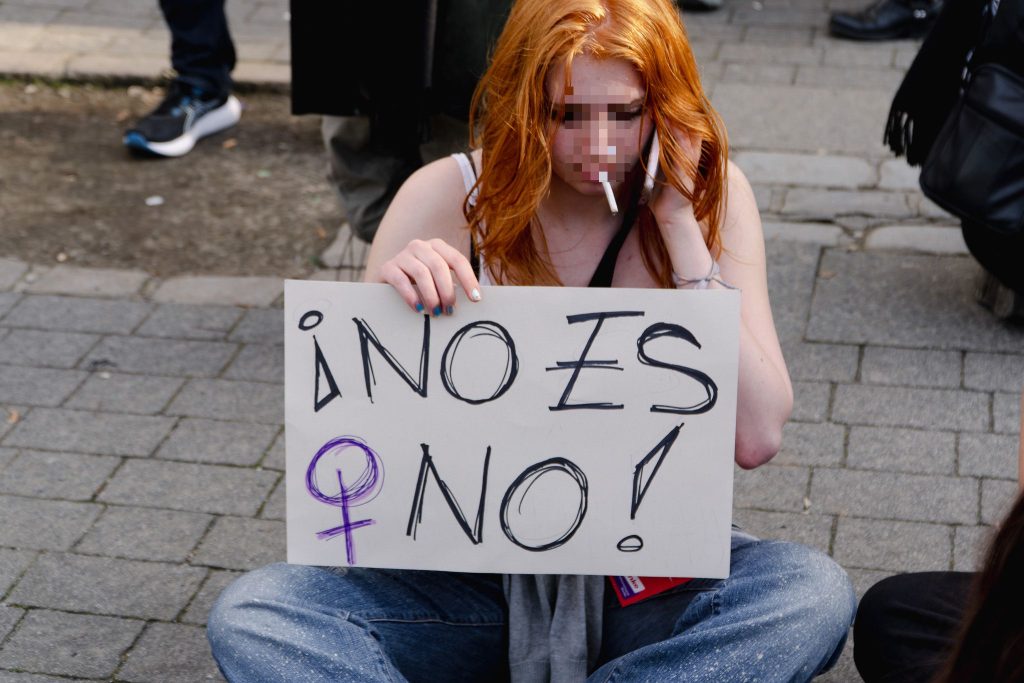
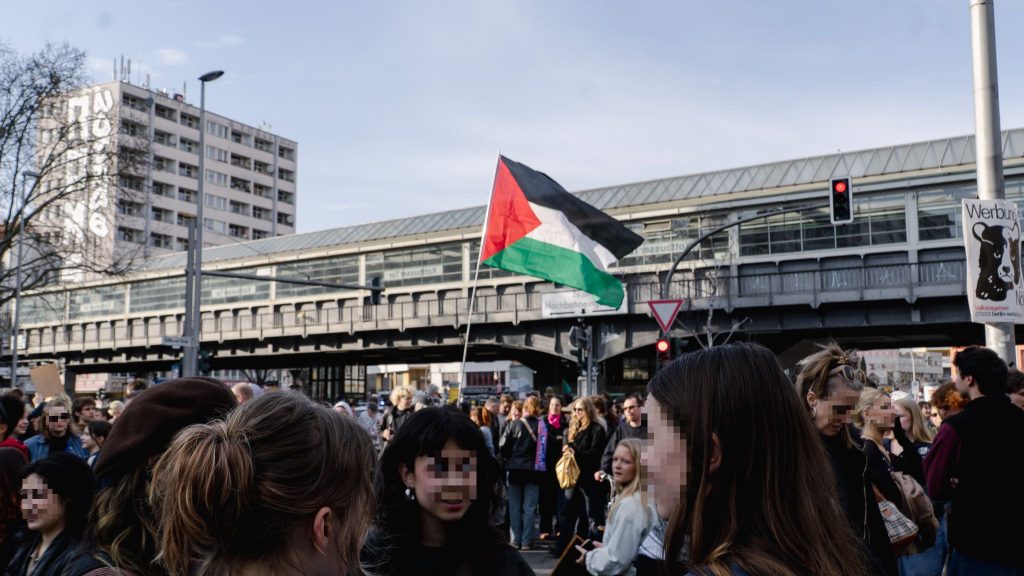
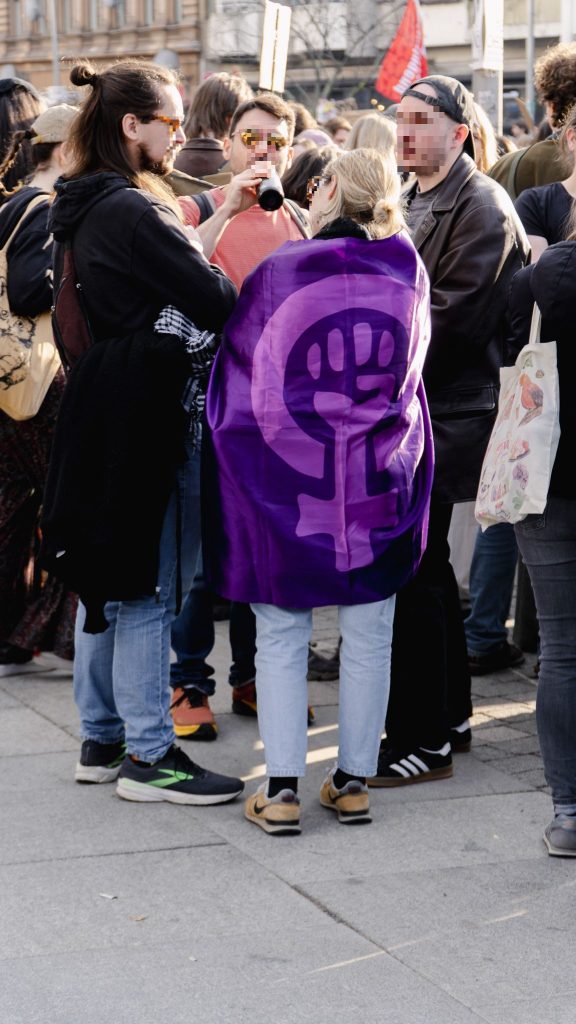
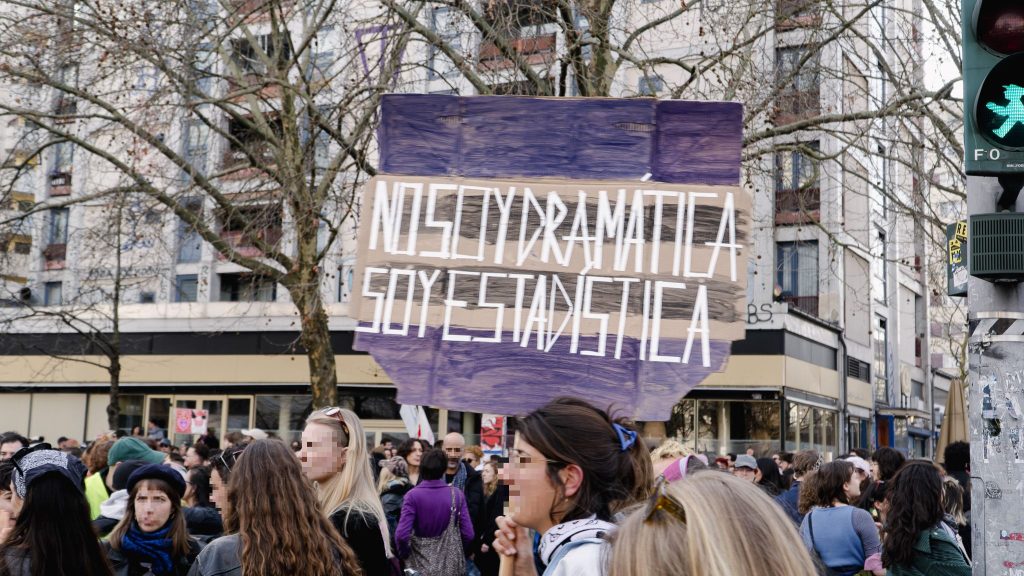
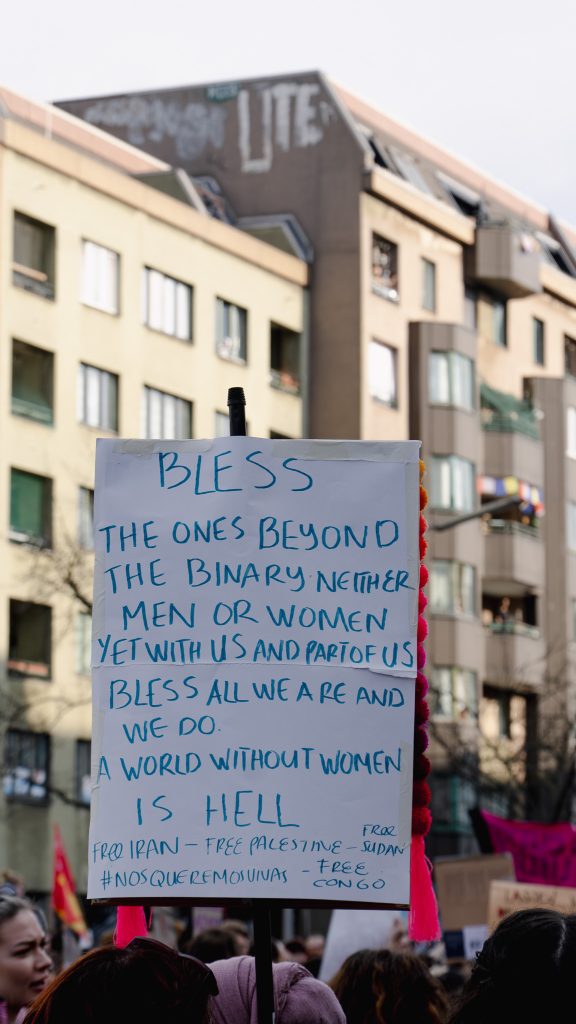
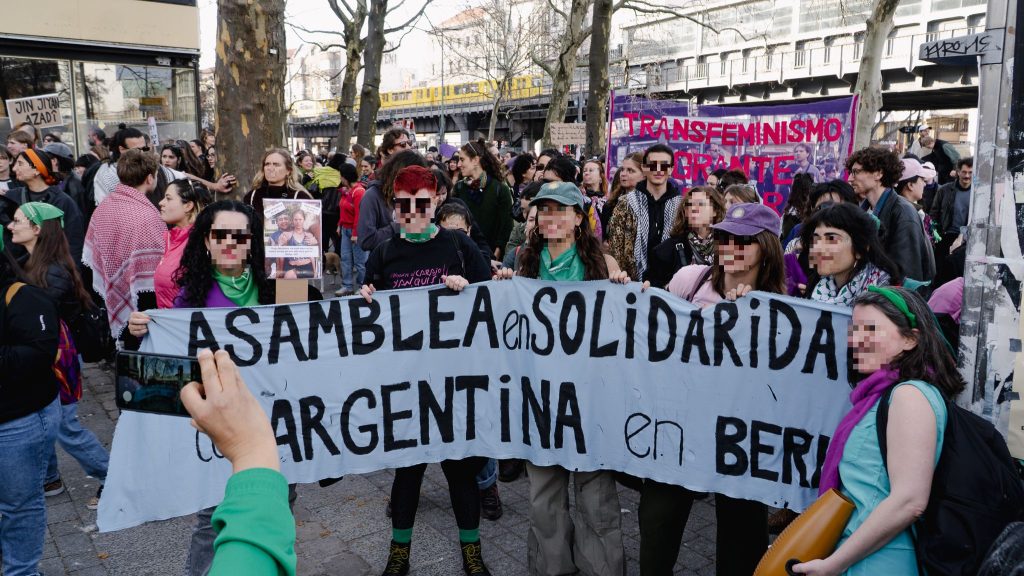
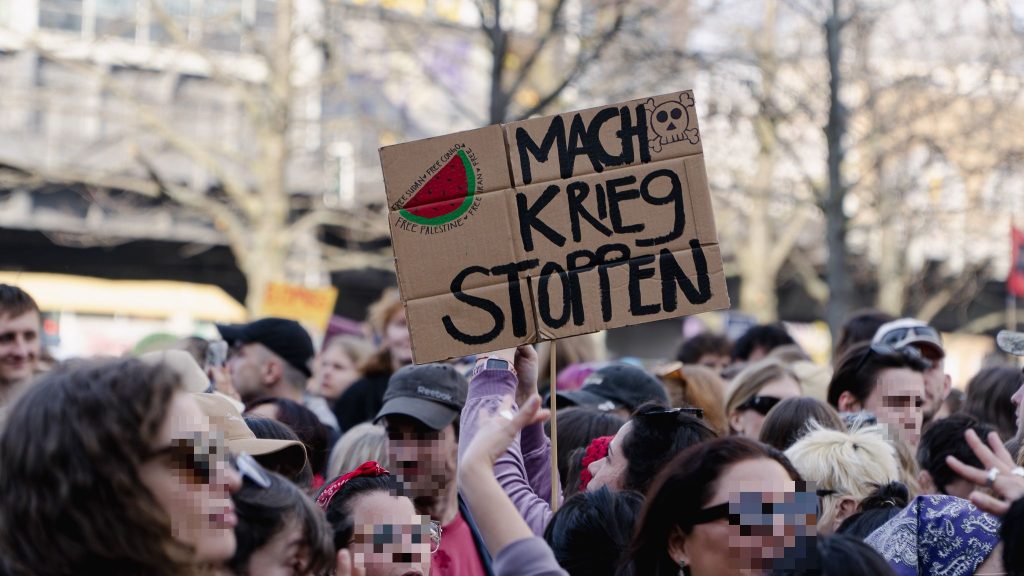
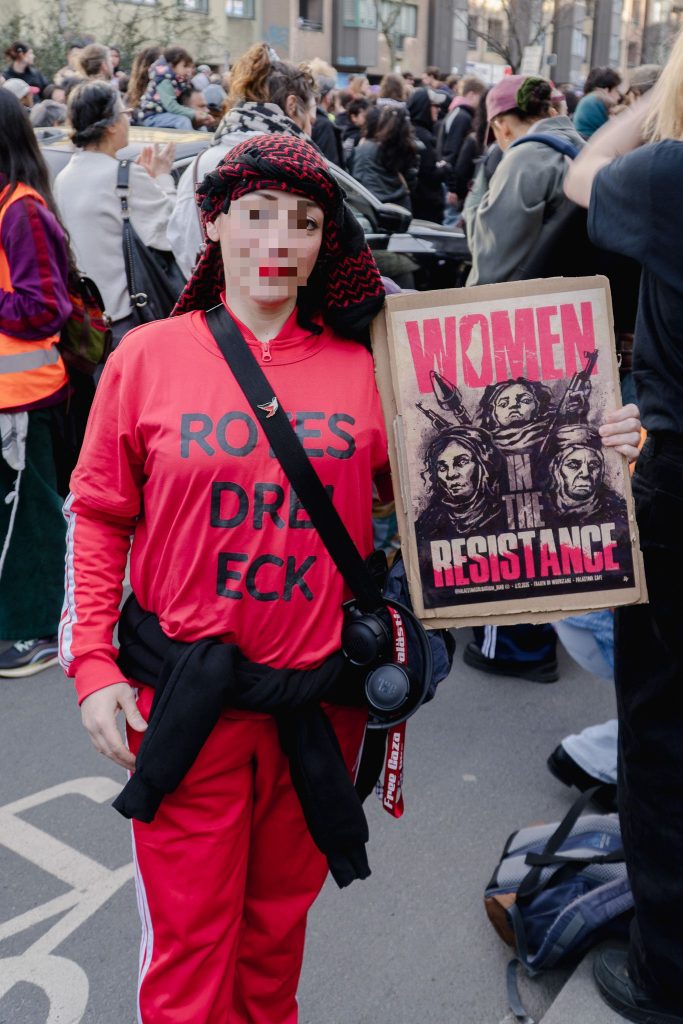
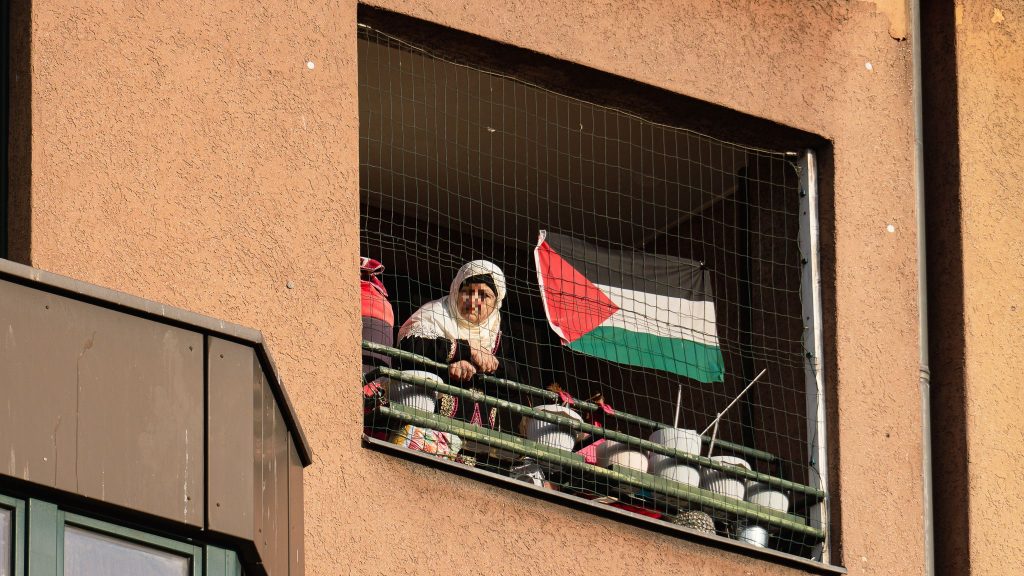
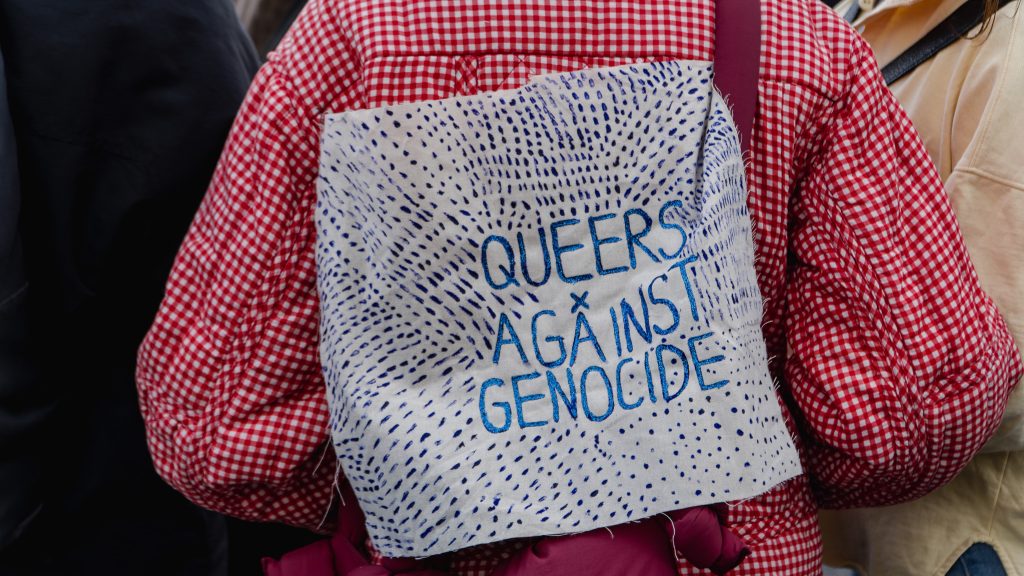
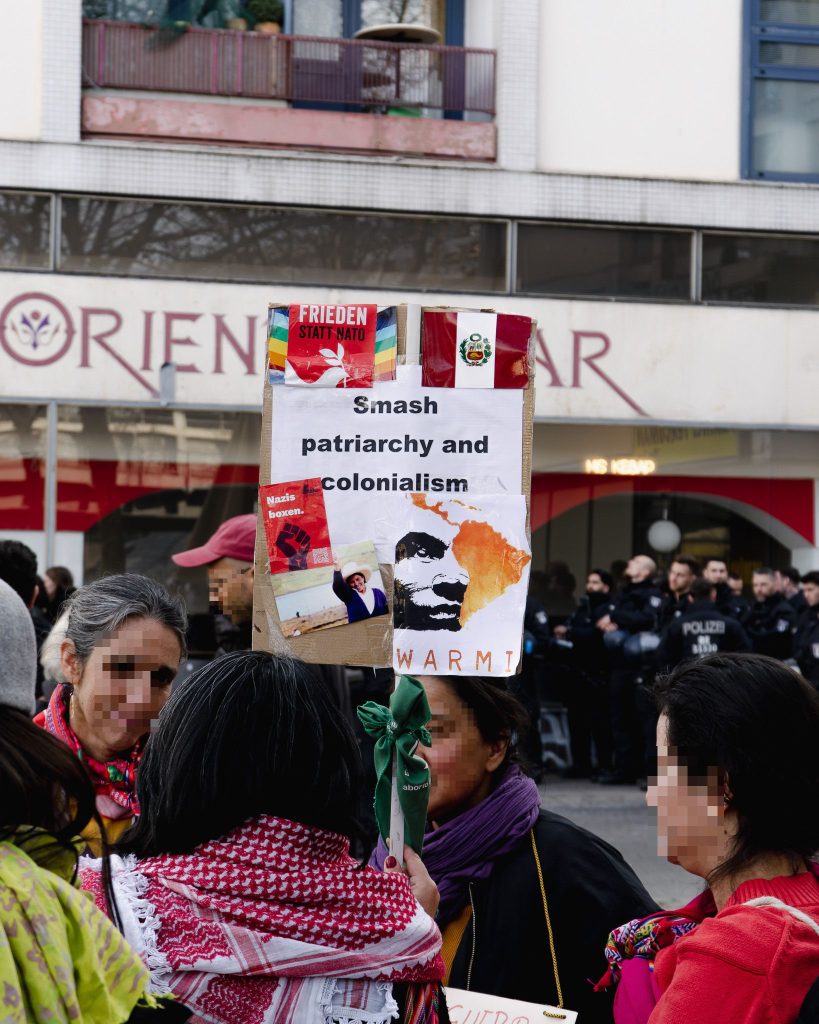
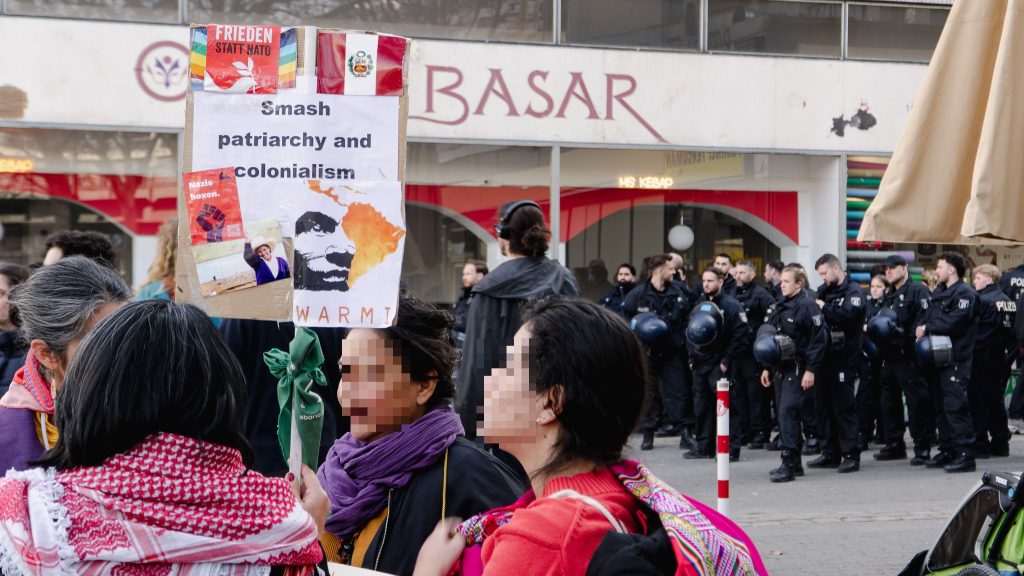
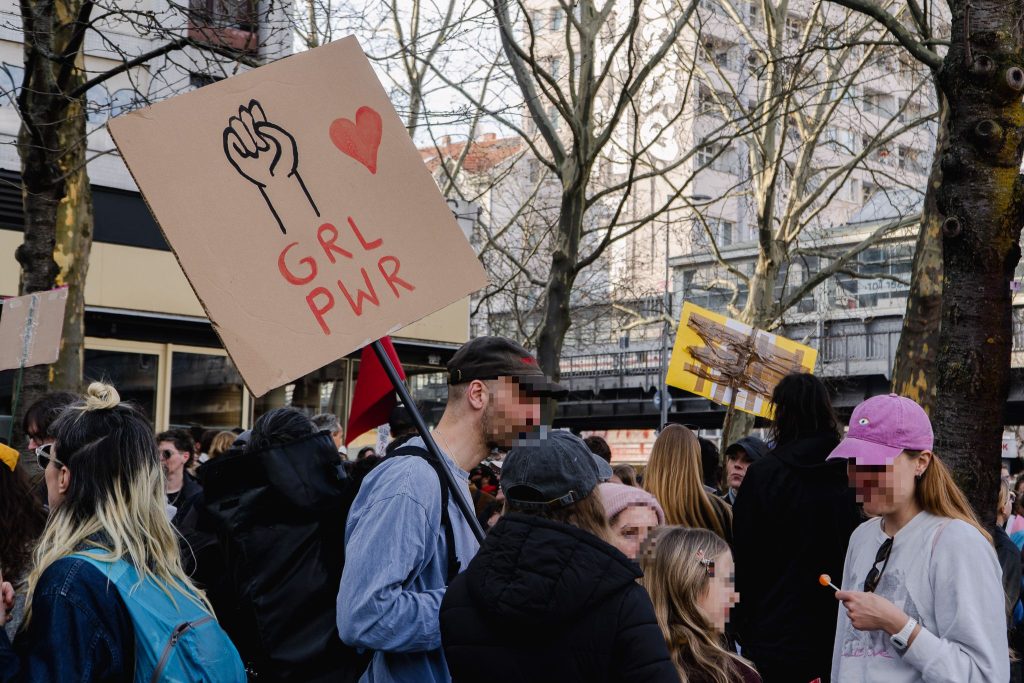
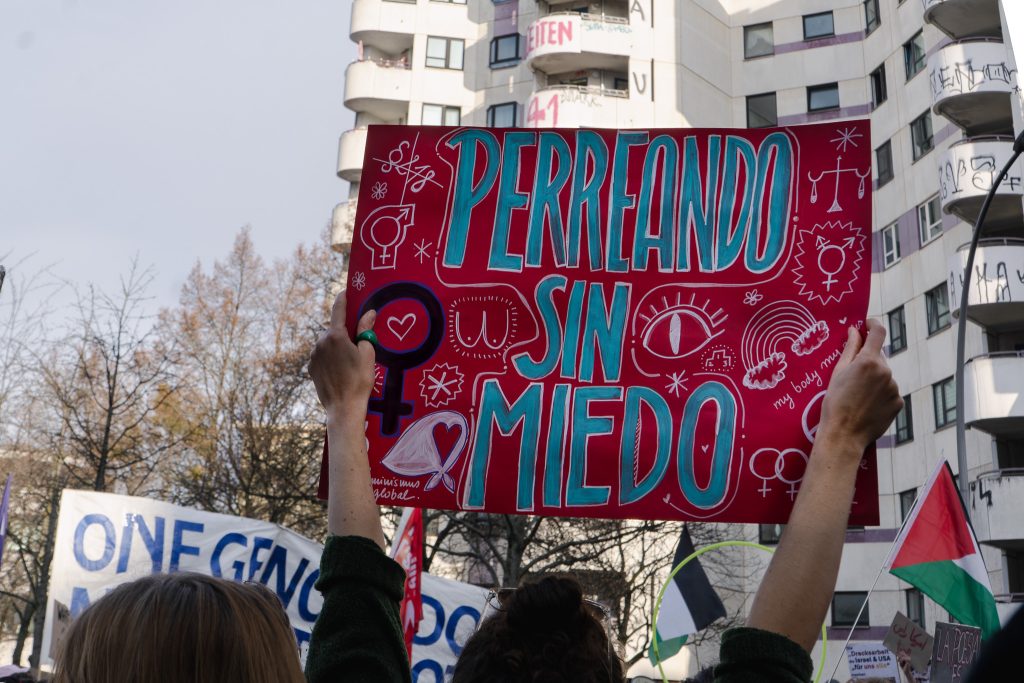
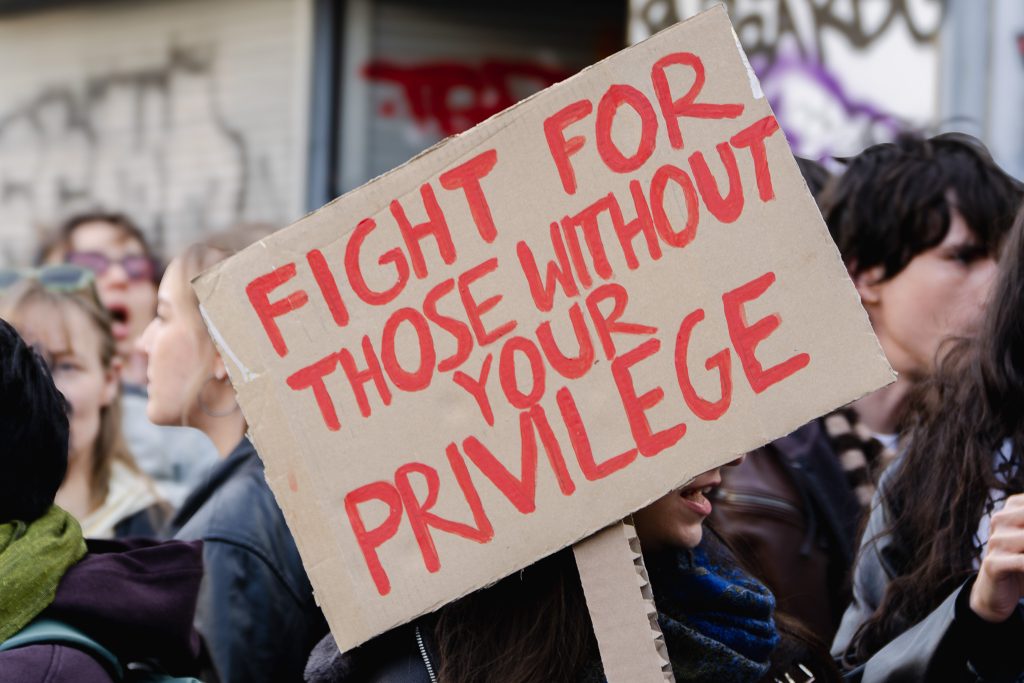
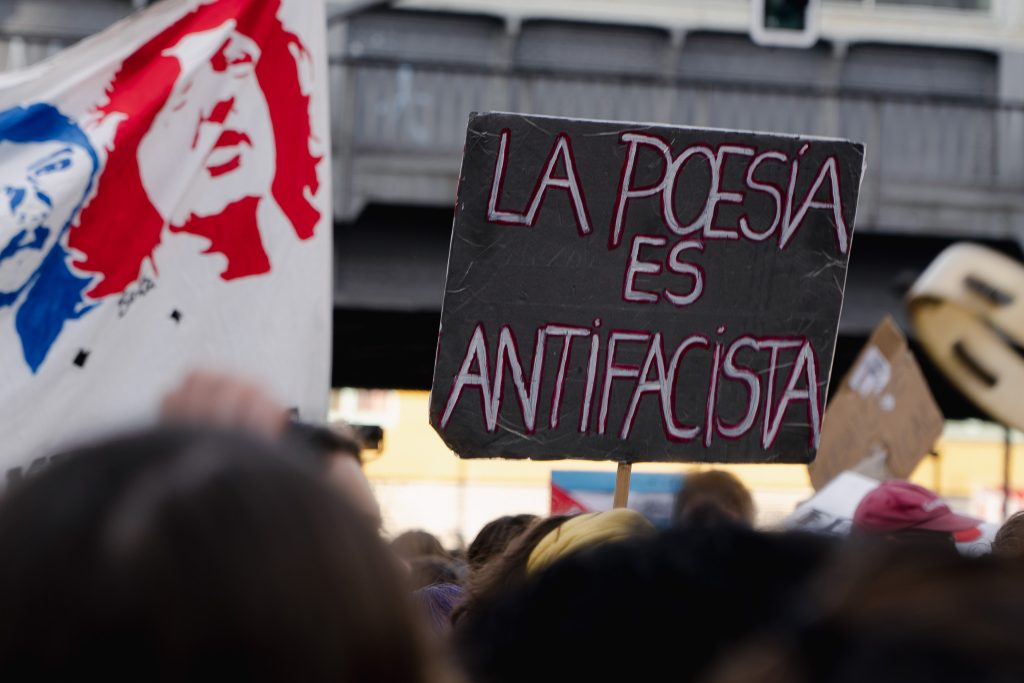
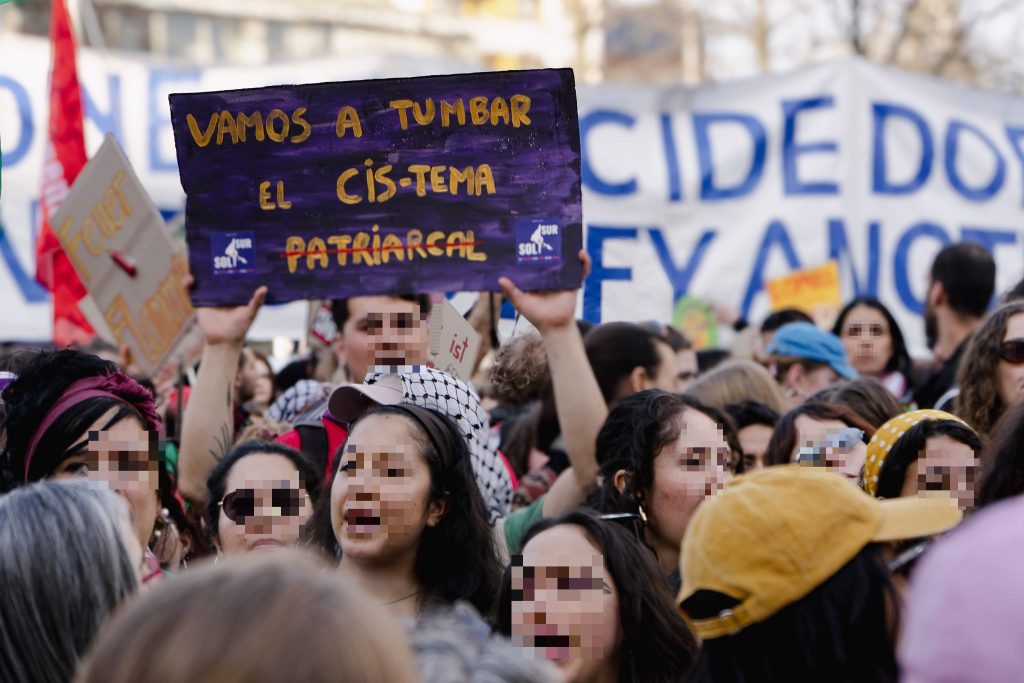
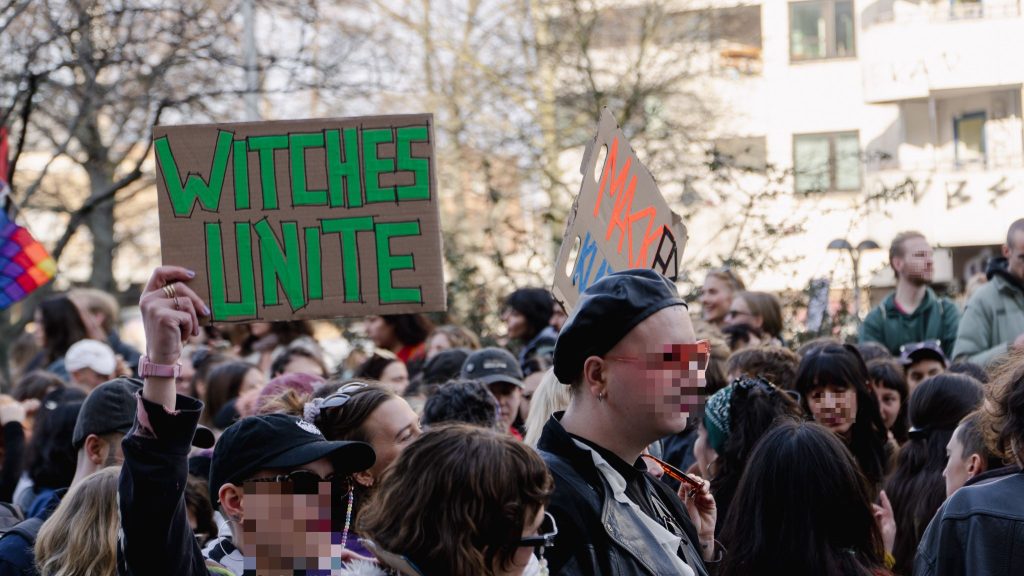
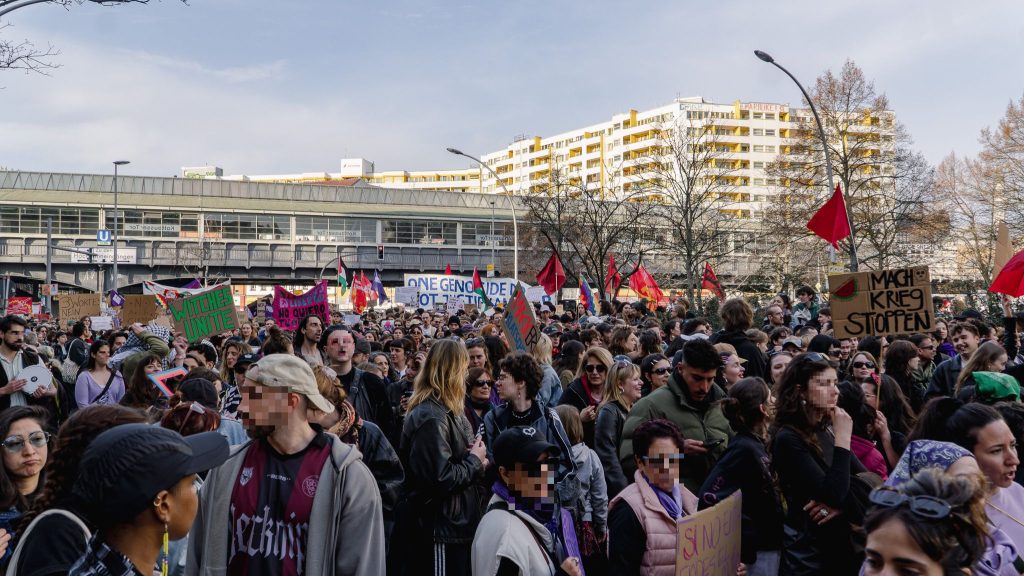
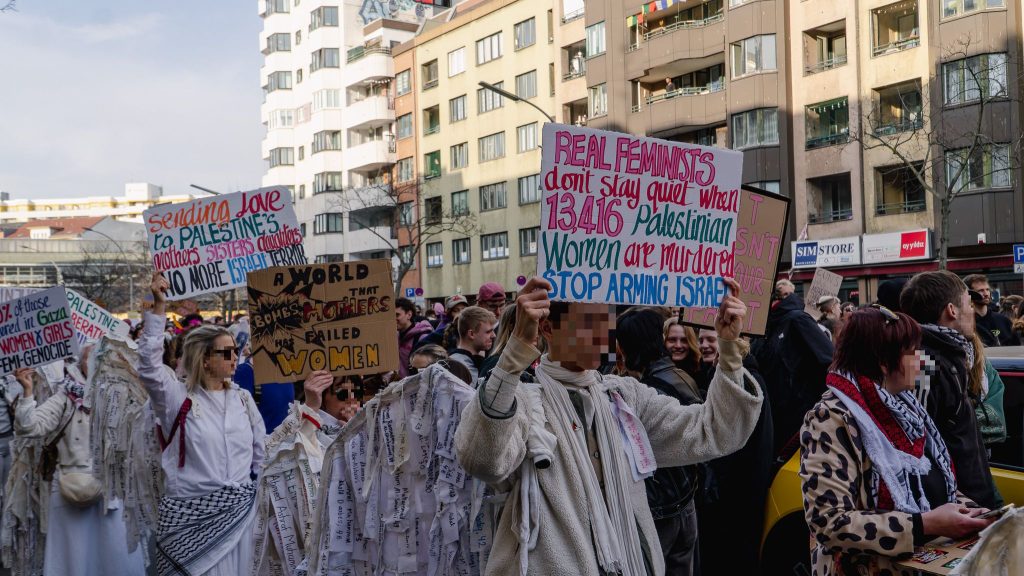
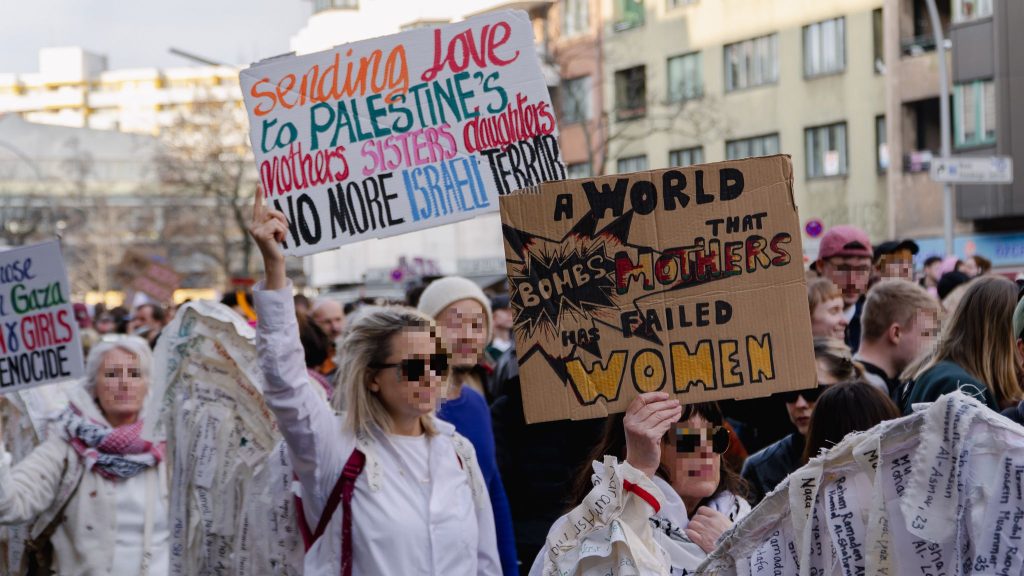
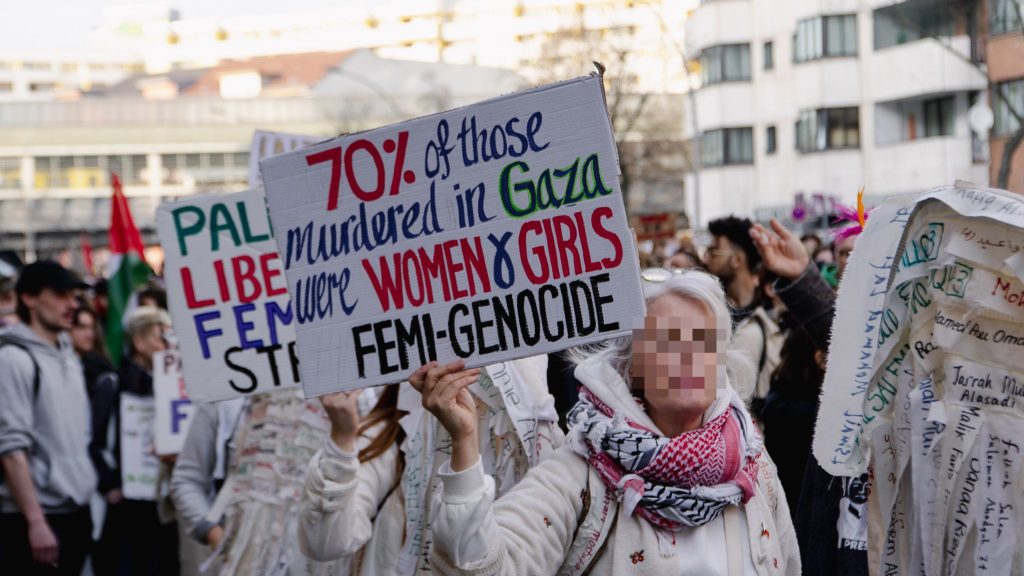
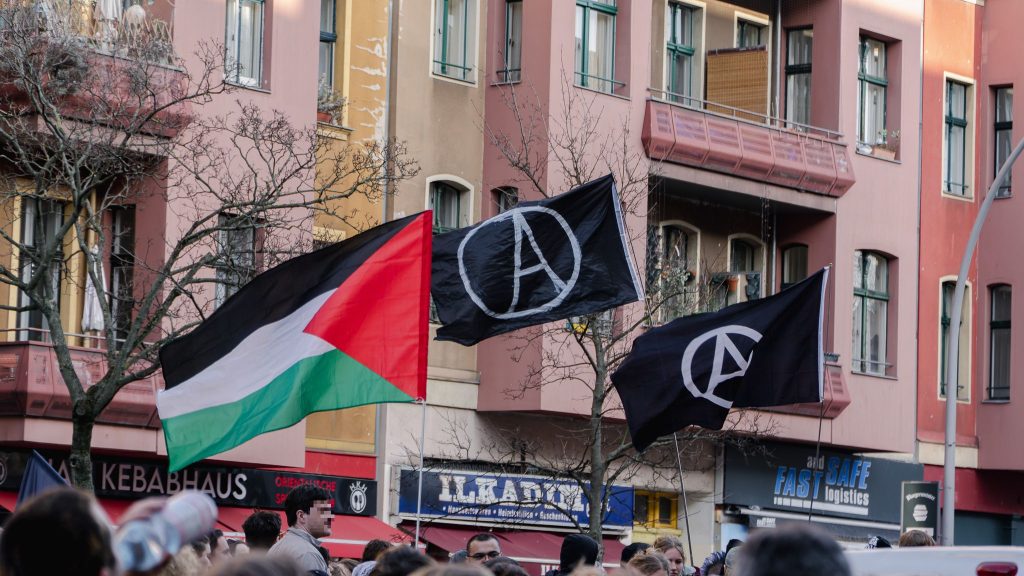
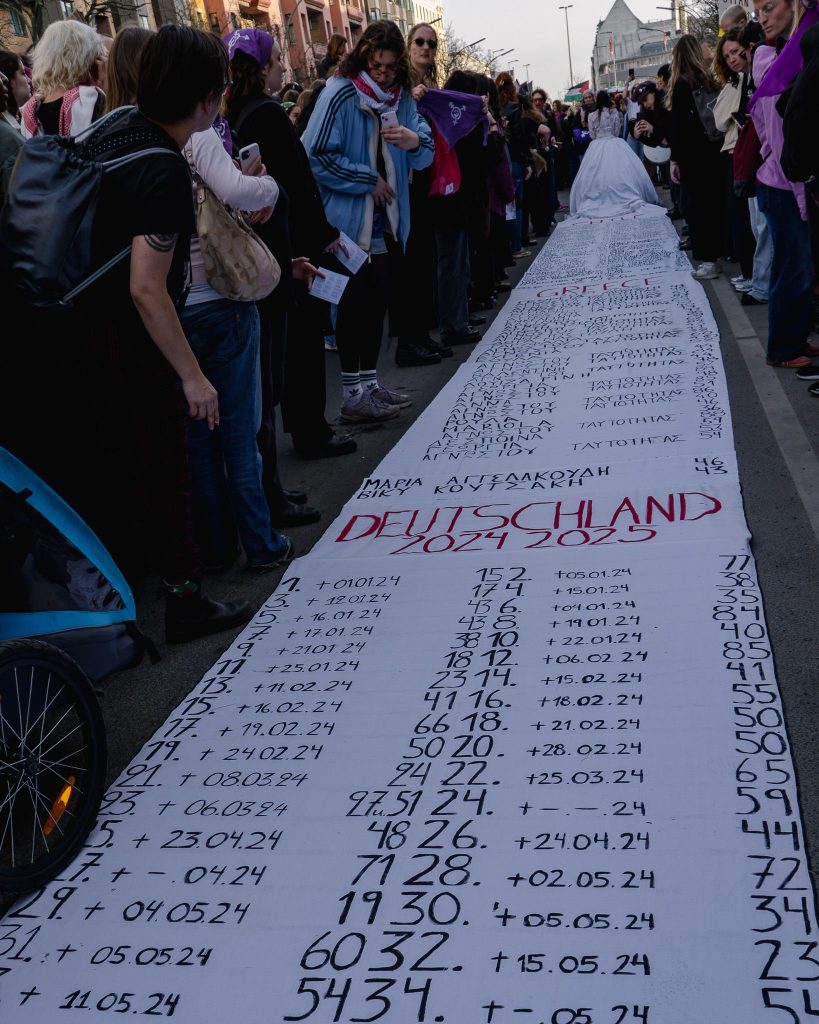
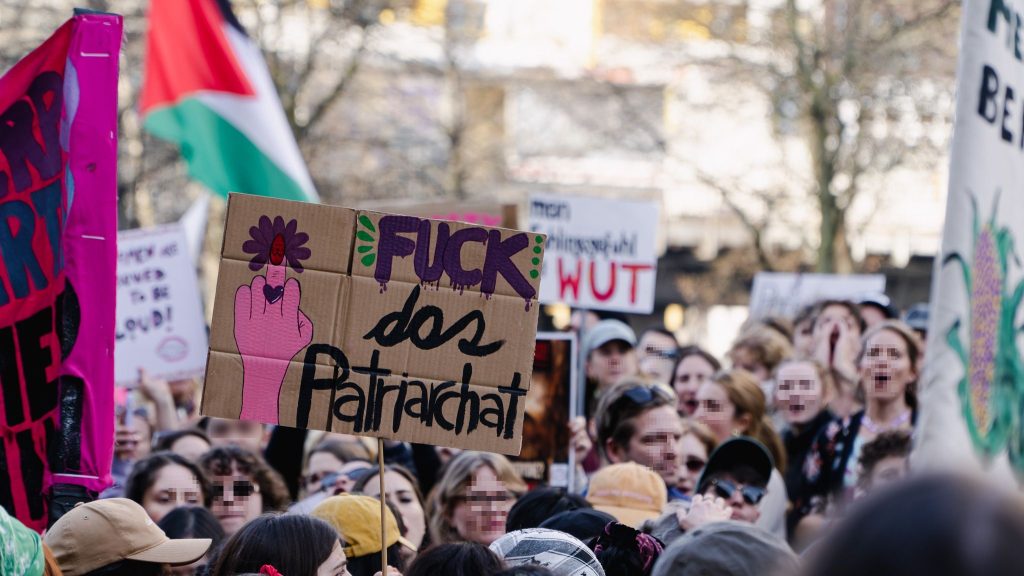
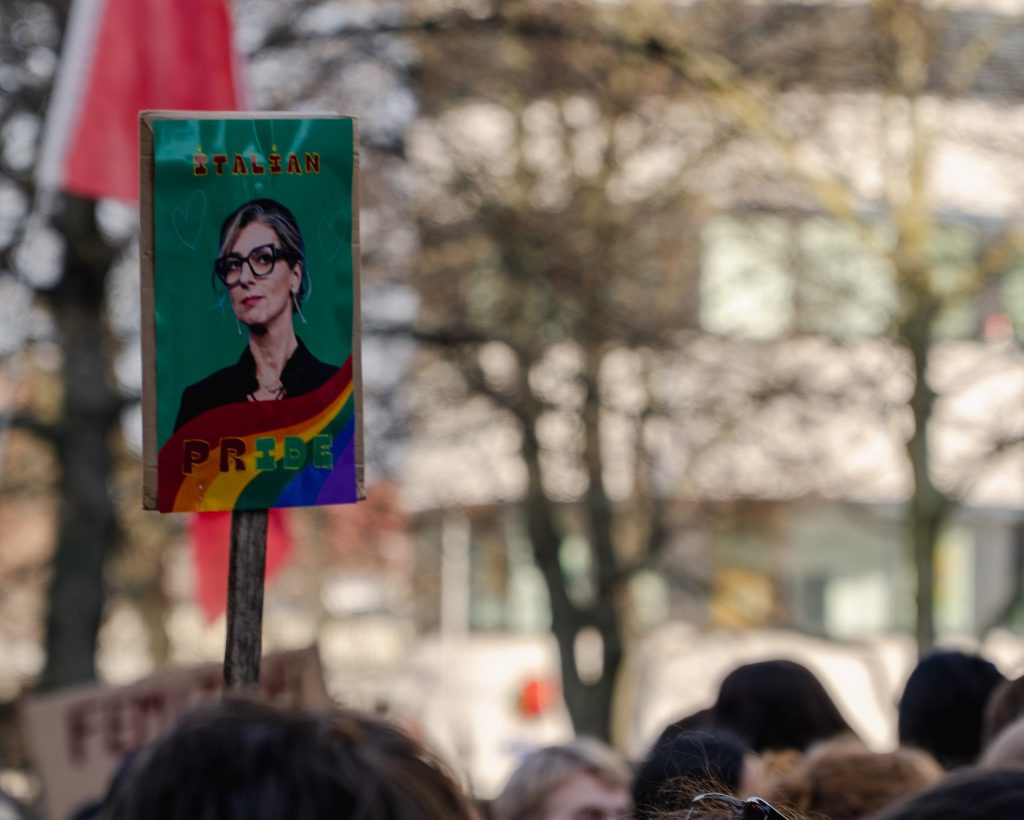
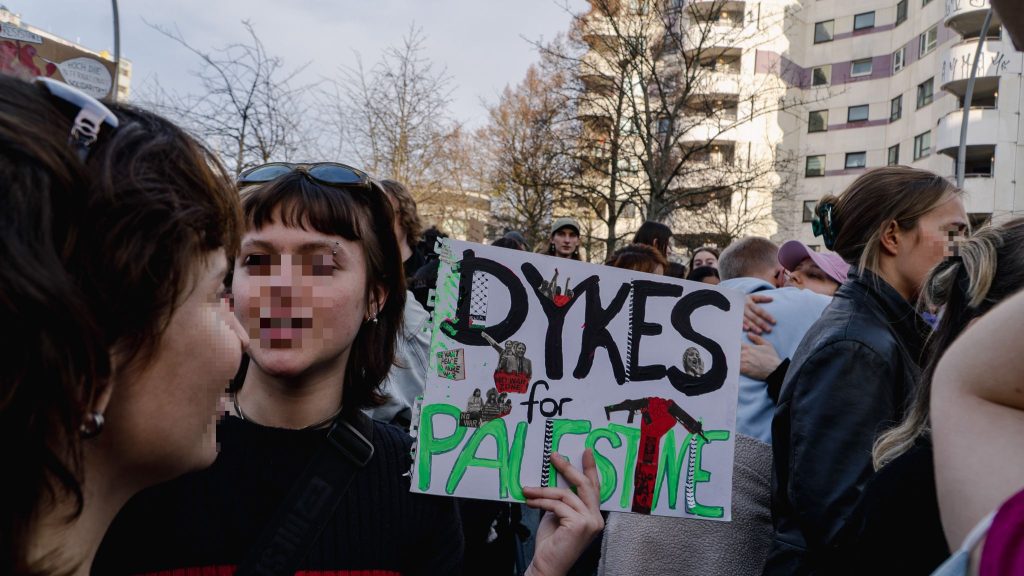
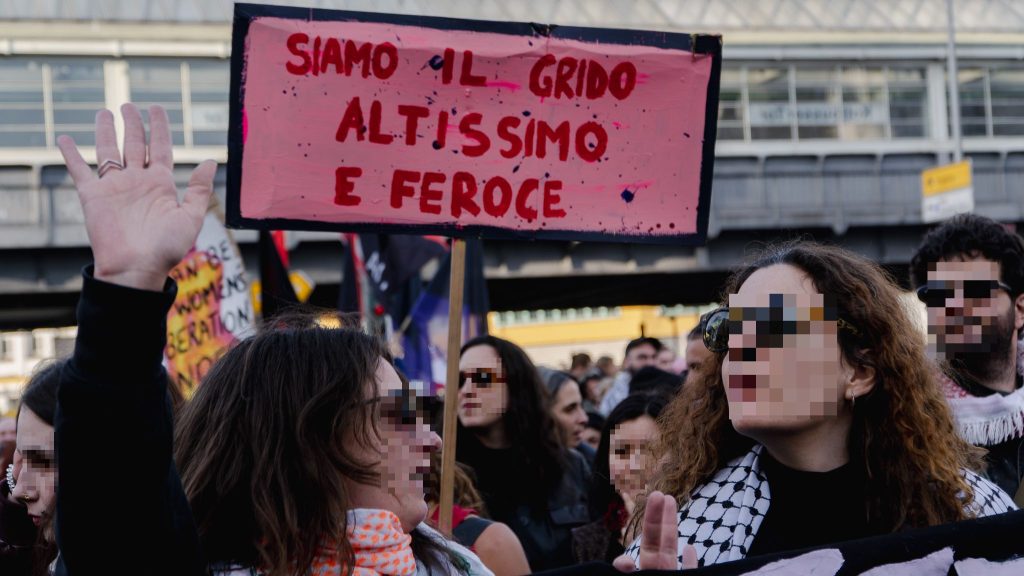
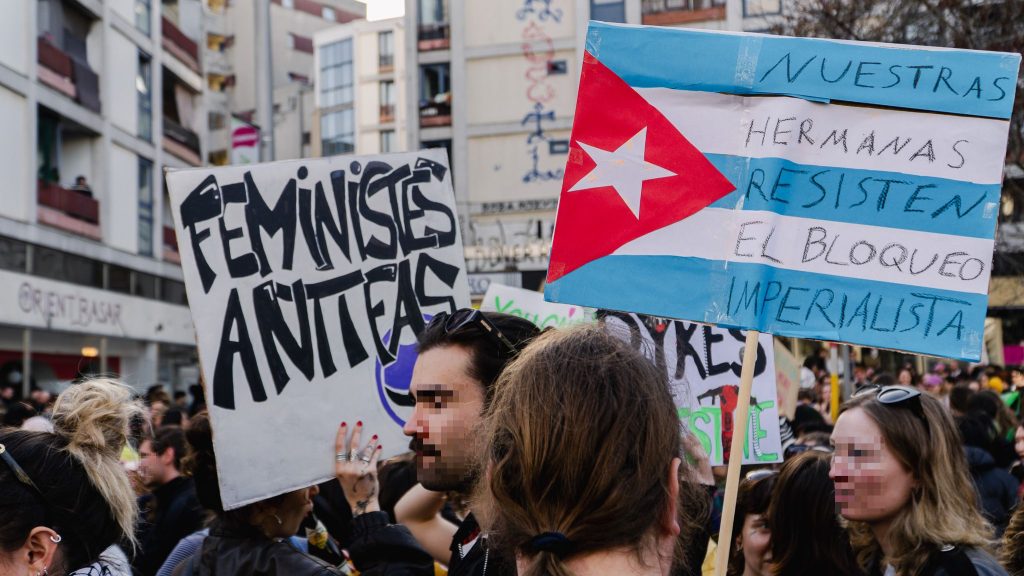
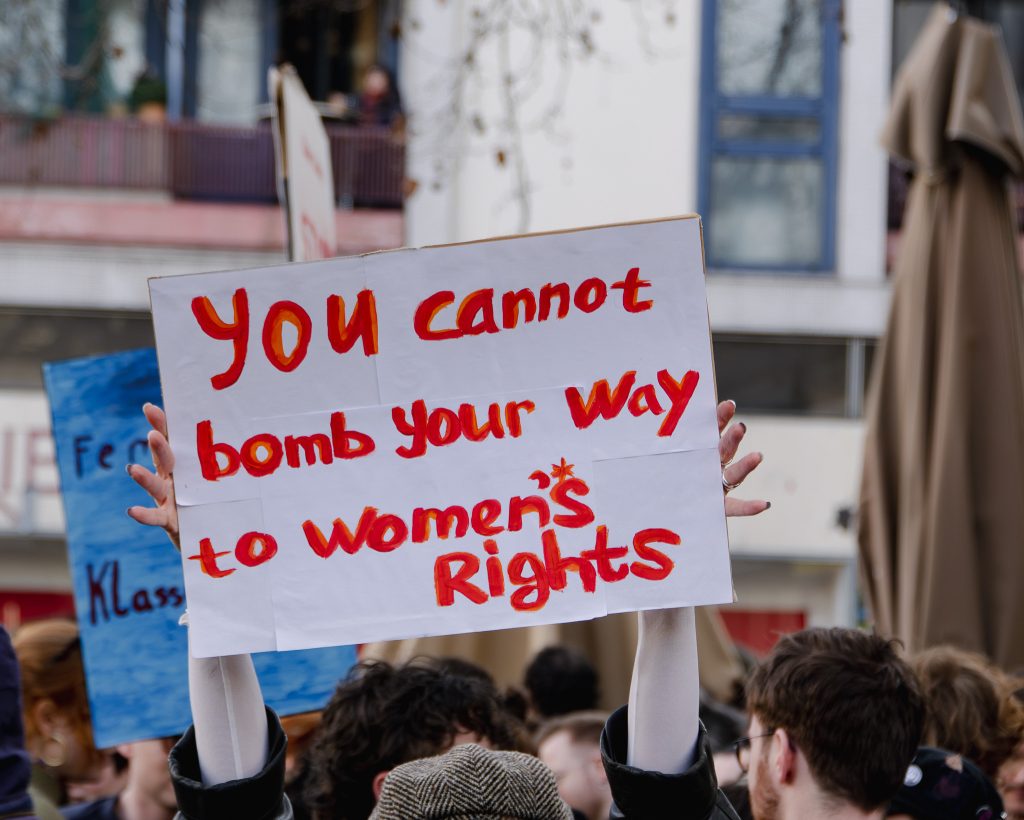
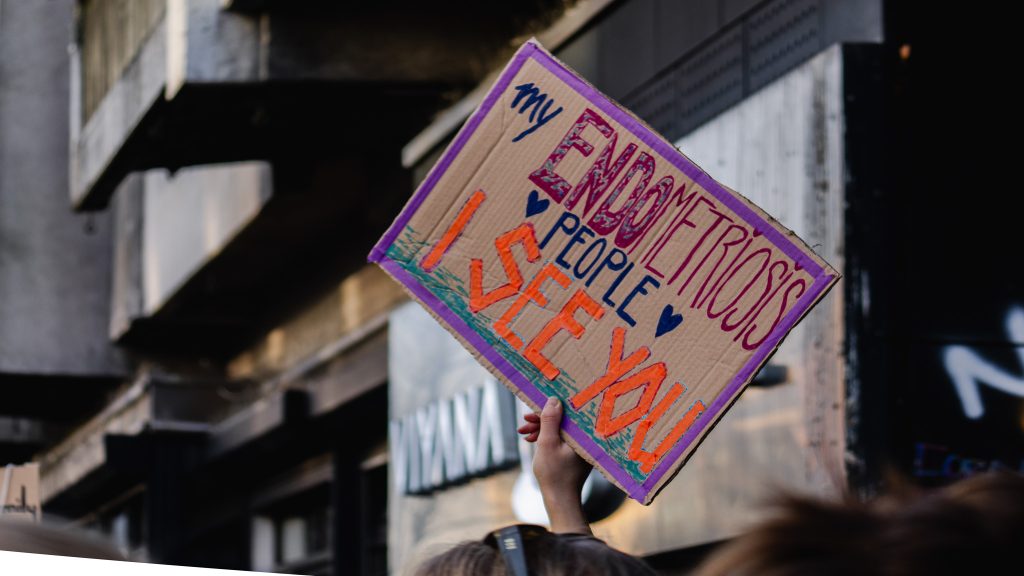
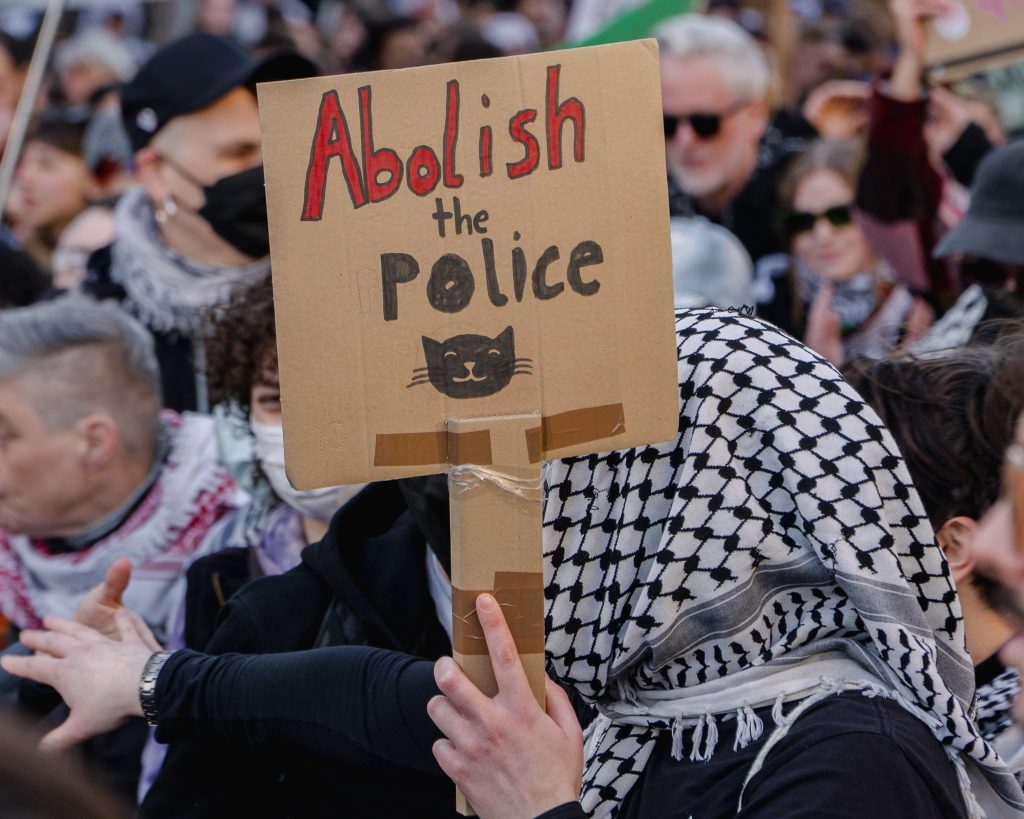
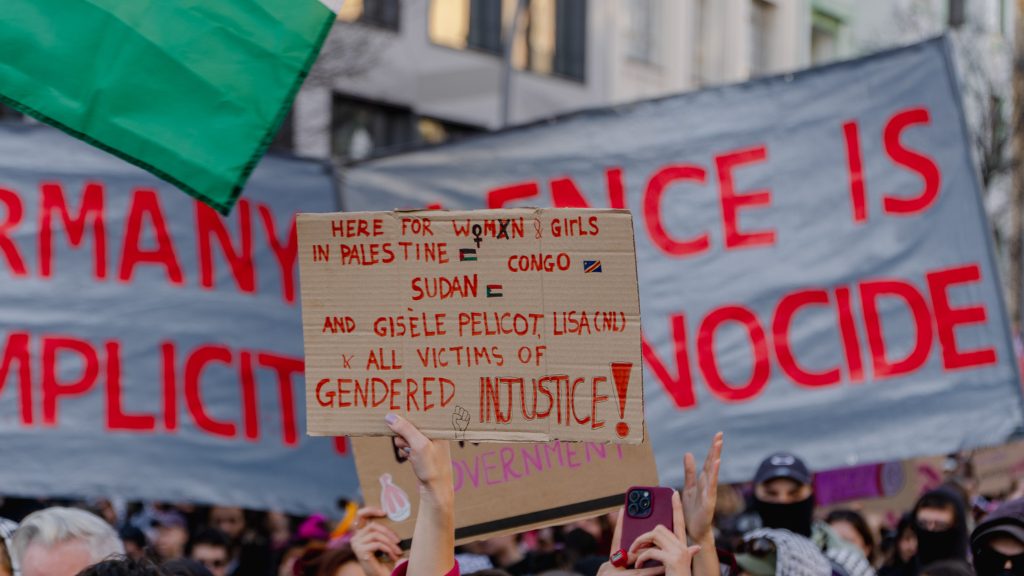
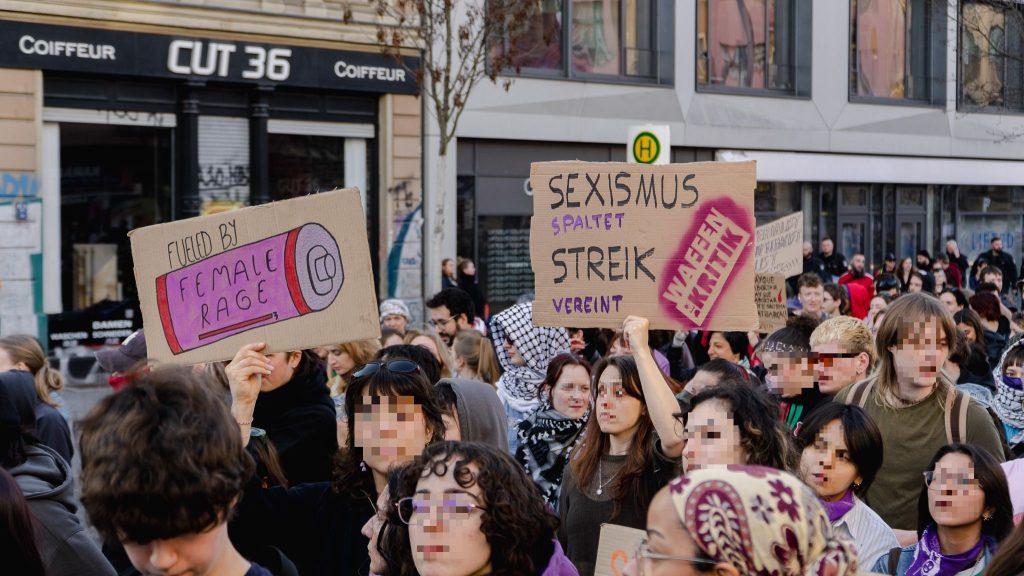
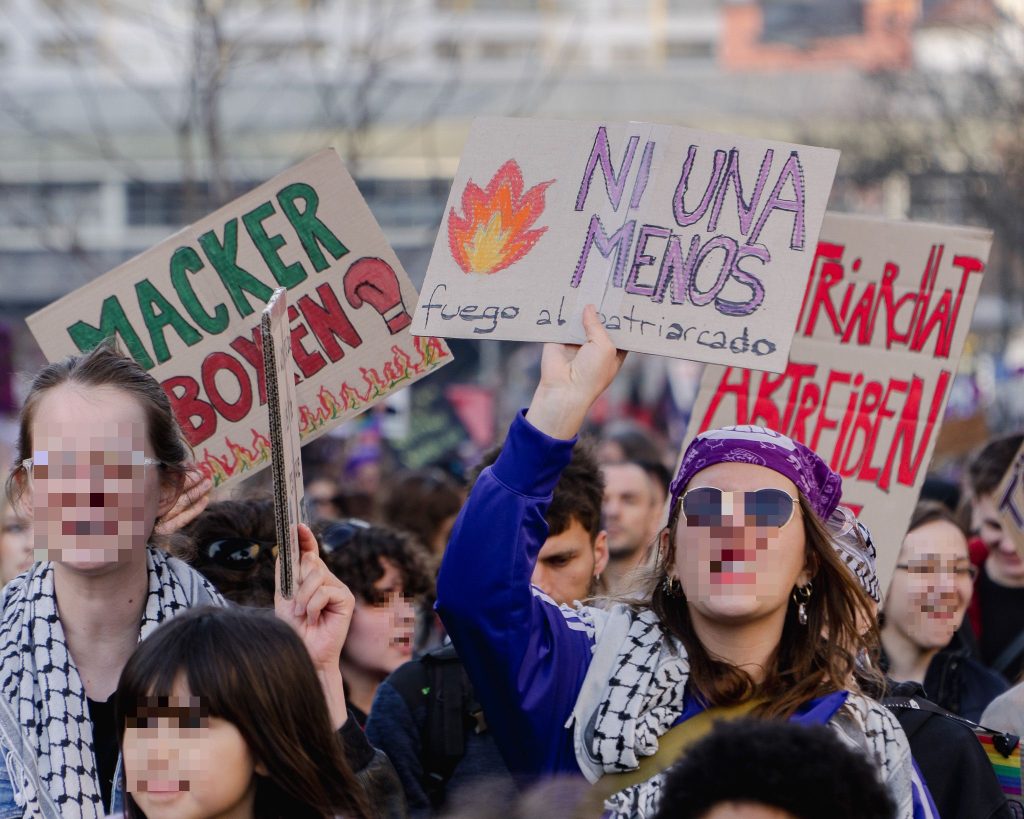
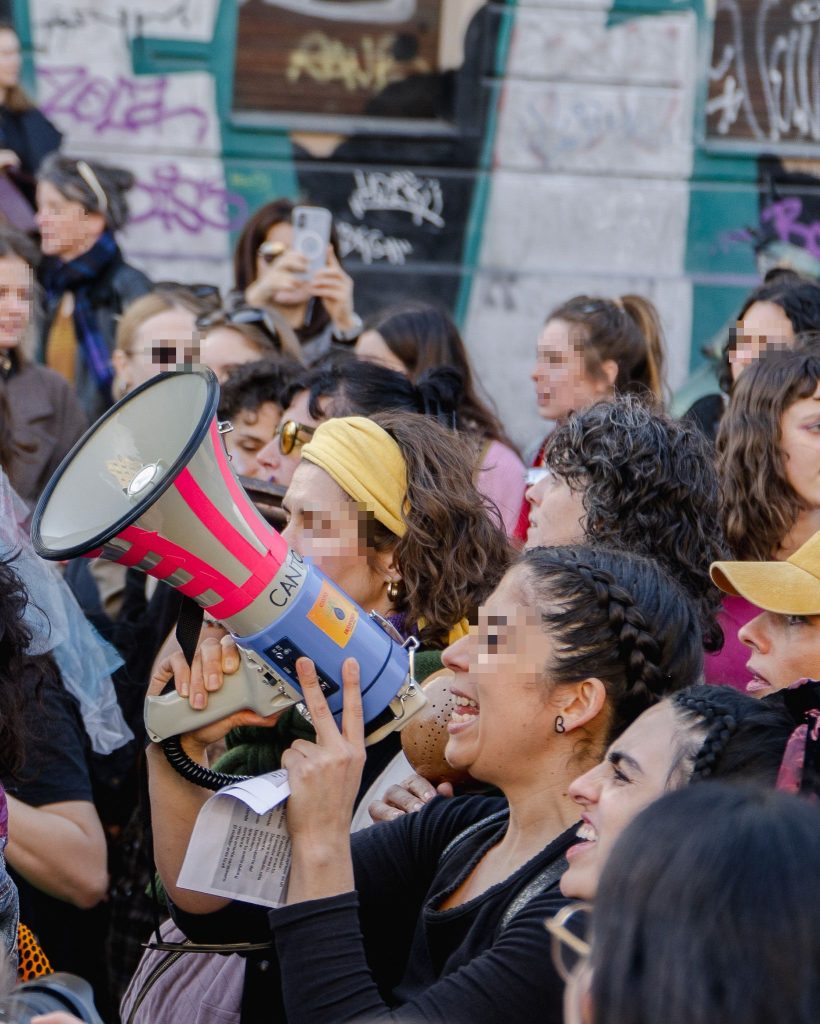
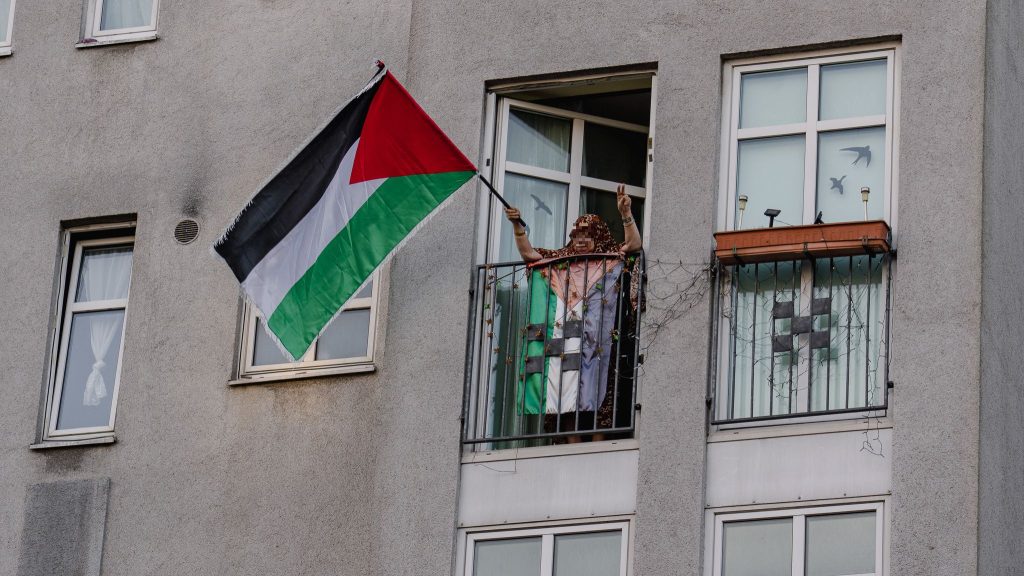
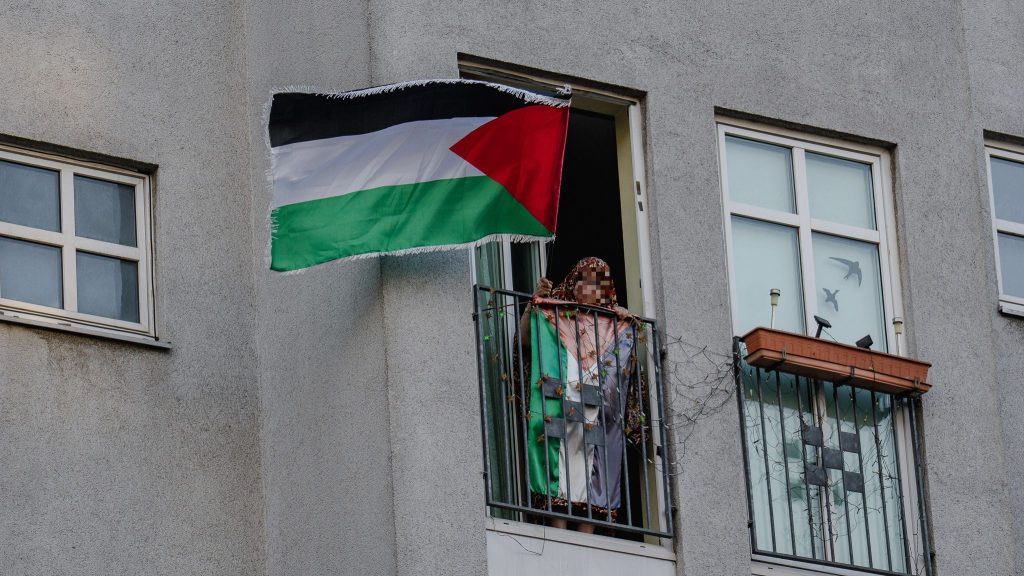
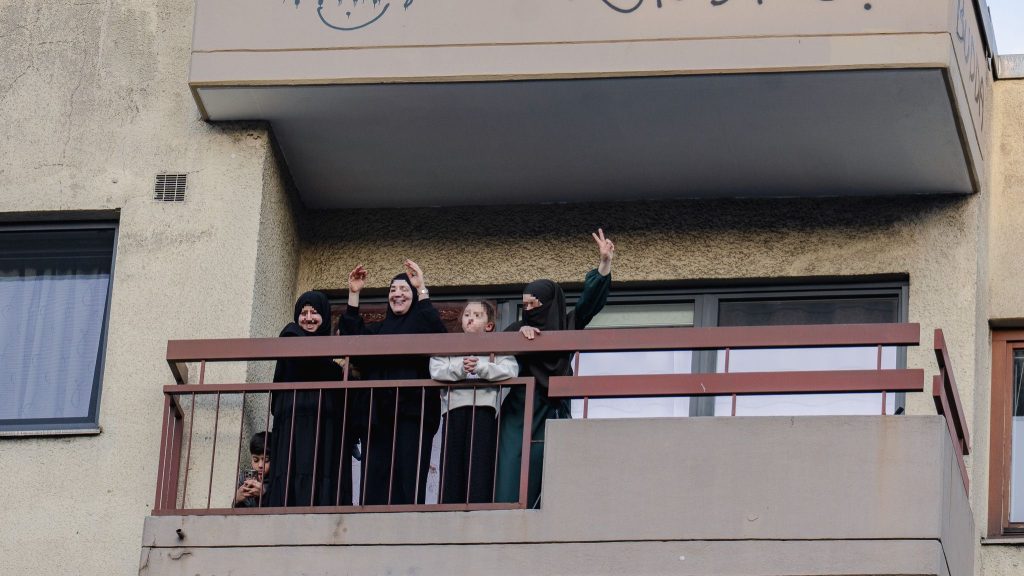
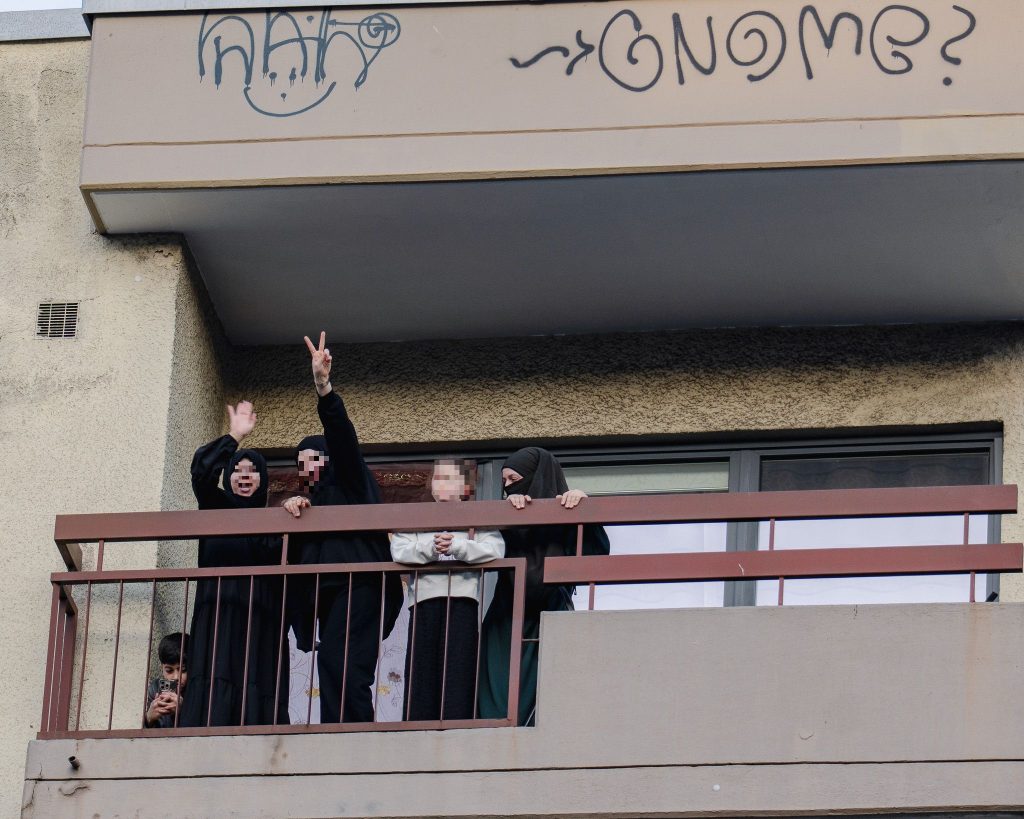
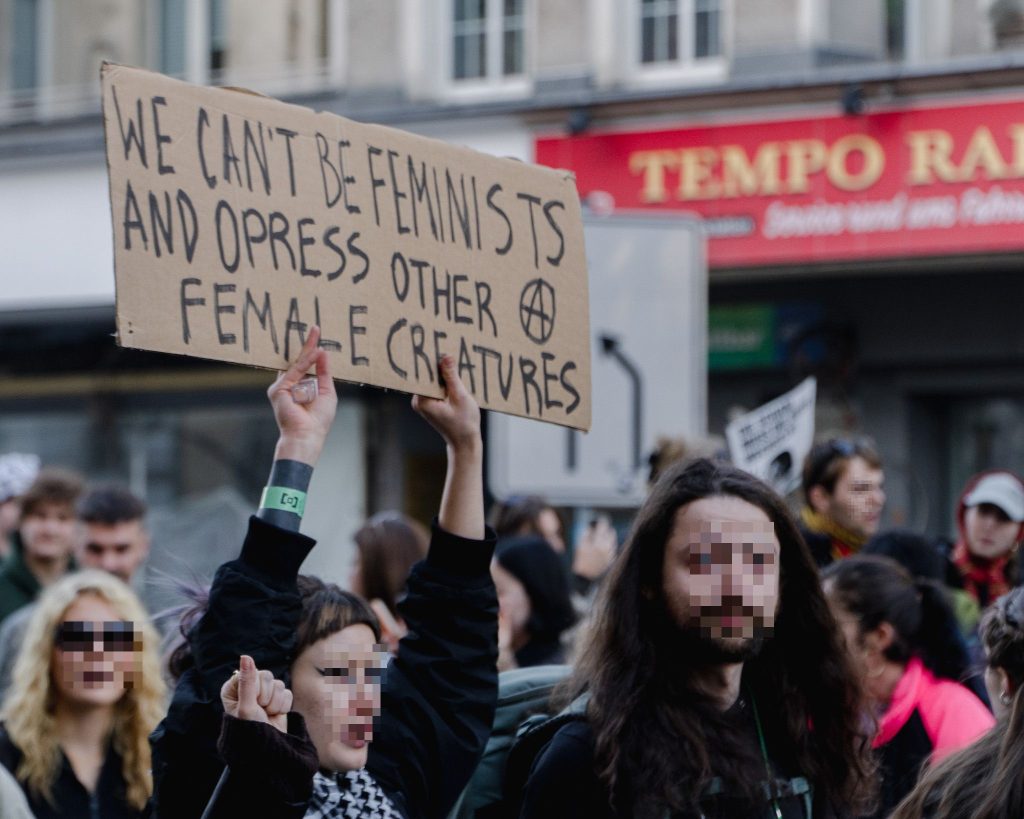
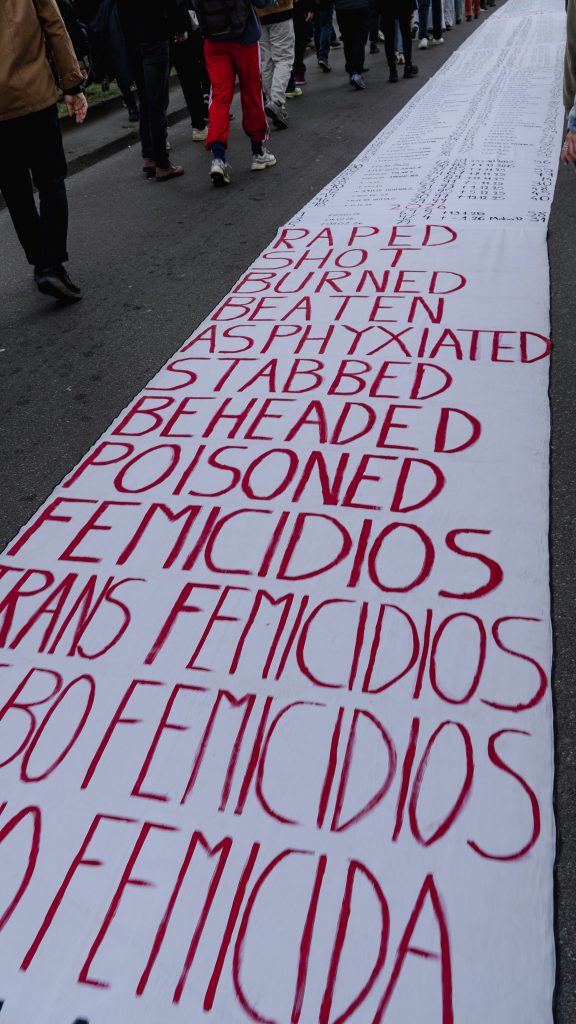
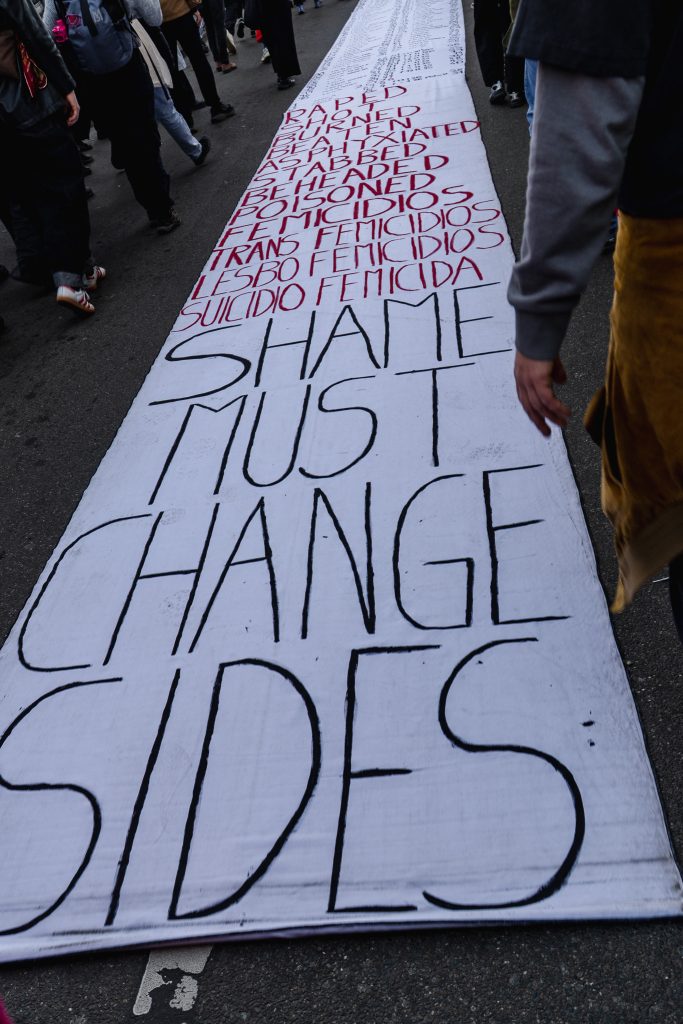
International Women*’s Day 2026 Demonstration

Rise in Rage. Build in Struggle


10/03/2026

All photos: Cherry Adam

Alliance “Keine Einzelfälle”—No isolated incidents

For justice, against police violence

On March 15, the International Day Against Police Violence, Join us on the street to demonstrate for justice!

📍 Memorial 1 pm at Oranienplatz, 2 pm march to Hermannplatz

Time and again, the police kill. We know that these are not isolated incidents. Their violence is systematic, affecting disproportionately poor, Black, migrant, queer people, and anyone who fights back.

We are the alliance “Keine Einzelfälle—Polizei tötet” (No Isolated Incidents—the police kill), a coalition of more than 20 organizations. We want to make visible what too often remains invisible and to fight together for justice, transparency, solidarity with those affected, and profound structural change.

We will share more information, the call to demonstrate in various languages, the detailed program, and all participating organizations on our platform in the coming weeks.

Follow our account, share our call, and most importantly, join us on the streets on March 15th to resist—for Lorenz A., for Achidi J., for Oury J., Mouhamed L.D., N’deye Mareame S., Christy S., and many more, including those whose names we do not know.

For a more just world in which we can best protect each other and ourselves through self-organization.