The Left Berlin News & Comment

This is the archive template

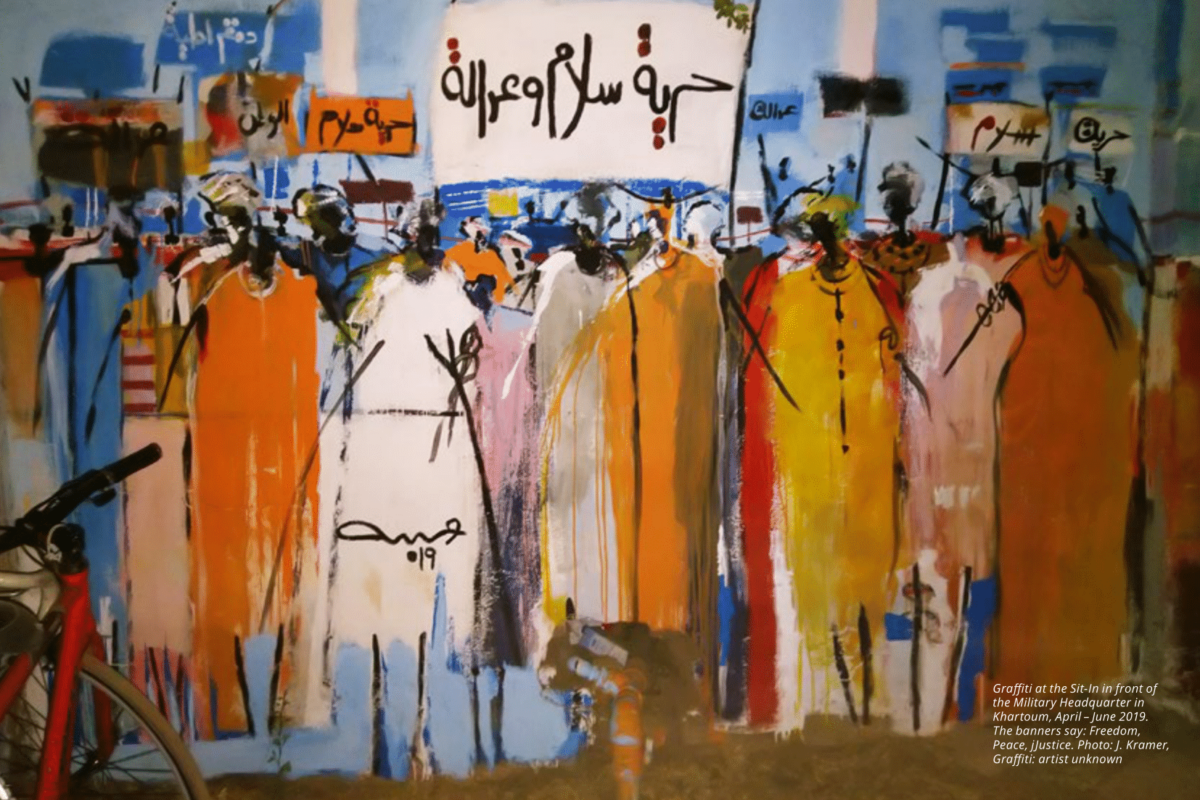
Sumer Camp 2022 – Sudan: voices of marginalised women

Over 50 years of dictatorships and war, following many decades of colonialism, established a system of discrimination in Sudanese society that led to multi-marginalisation of different groups of people. The multitudinous forms of discrimination and marginalisation do not only run along the regional divides between the centre and the margins, and between so-called “African” and […]


15/06/2022

Over 50 years of dictatorships and war, following many decades of colonialism, established a system of discrimination in Sudanese society that led to multi-marginalisation of different groups of people. The multitudinous forms of discrimination and marginalisation do not only run along the regional divides between the centre and the margins, and between so-called “African” and “Arab” ethnic groups. Many women in particular face multiple intersecting forms of marginalisation and discrimination, most often along the lines of gender, ethnicity and racist categories, class, as well as war related dynamics.

The Revolution of 2019 created potentials for lasting change. This change was brought about by the Sudanese people, including people from the margins. Despite the achievements of the Revolution and the great potentials of the current transition phase, there is a risk that the Transition Government and the resulting structures will to some extent reproduce the existing system of marginalisation and discrimination. This has to be prevented. There must be sustainable change in Sudan, benefiting those who are most disadvantaged.

Sunday, 26th June, 2pm – 3pm

with Mai Shatta (author of the report “Voices of the Margins”)

Summer Camp 2022 – Music, Politics and Berlin

Several months after clubs were able to reopen following the pandemic, this session checks in on where the city’s famous music scene with a panel of musicians, DJs and club organisers. What can Berlin tell us about the relationship between music and politics? How can we understand changes occurring in the city through music and […]

Several months after clubs were able to reopen following the pandemic, this session checks in on where the city’s famous music scene with a panel of musicians, DJs and club organisers. What can Berlin tell us about the relationship between music and politics? How can we understand changes occurring in the city through music and to what extent have Berlin’s different music cultures shaped these transformations? And can music be a catalyst for political change, and if so what type of change, or are we simply dancing in the dark.

Sunday, 26th June, 2pm – 3pm

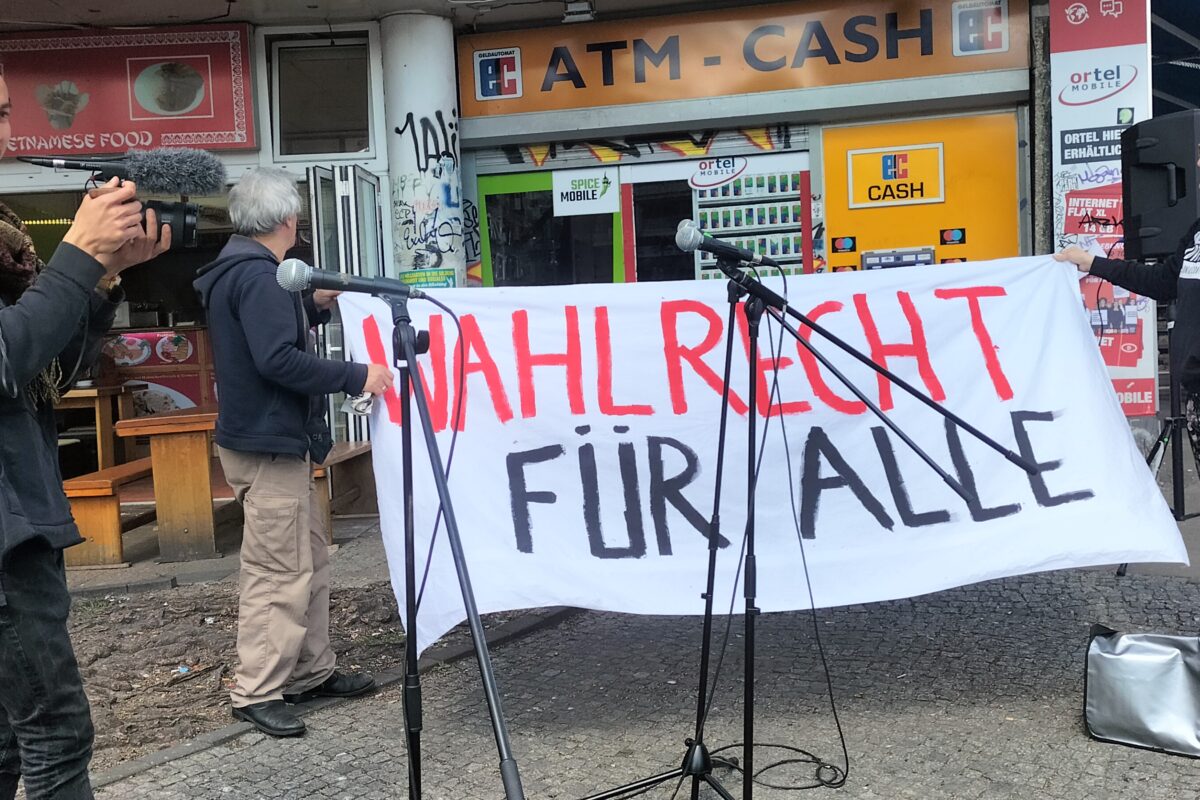
Summer Camp 2022 – Voting Rights for Non-Germans

In this workshop we will discuss about whether fighting for non citizens voting rights can be seen as a step towards abolishing national state construct and fighting border practicing or will it be a tool to confirm the the oppressive systems? Which example of campaigning for non citizens voting rights exists around the globe and […]

In this workshop we will discuss about whether fighting for non citizens voting rights can be seen as a step towards abolishing national state construct and fighting border practicing or will it be a tool to confirm the the oppressive systems? Which example of campaigning for non citizens voting rights exists around the globe and our experience of campaigning in ‘’Nicht Ohne Uns 14 Prozent’’ for non citizens voting rights in Germany.

Sunday, 26th June, 2pm – 3pm

with Sanaz Azimipour (author, activist and co-founder Nicht Ohne Uns 14%)

Summer Camp 2022 – Grassroots organising in the wake of Hindu fascist nationalism

India is witnessing an unprecedented right-wing authoritarian shift under the Hindu supremacist Bharatiya Janata Party (BJP). Hate speech and violence against minorities, including lynching, have become rampant while the perpetrators enjoy impunity and tacit state protection. However, grassroot movements and cultural artists have also sharpened their tools to resist casteism, hate speech, and hatred based […]

India is witnessing an unprecedented right-wing authoritarian shift under the Hindu supremacist Bharatiya Janata Party (BJP). Hate speech and violence against minorities, including lynching, have become rampant while the perpetrators enjoy impunity and tacit state protection.

However, grassroot movements and cultural artists have also sharpened their tools to resist casteism, hate speech, and hatred based on religion across different regions of the country. There have been massive protests from grassroot movements and cultural groups.

One such group is Kabir Kala Manch (KKM), whose songs and theater performances took the struggle against casteism, religious fundamentalism, and state oppression to different parts of the state of Maharashtra. KKM’s artists and activists, belonging to the region’s oppressed communities, perform street plays, poetry, and musical activities to educate, organise and protest against oppression.

Video screening: Songs of Defiance (hindi/marthi with english subs. 24min) This documentary portrays some of KKM’s artists in context of the hostile system they are struggling against.

A discussion with activists working as part of south Asian diasporic groups (IJP among them) will follow the film (35 mins)

Sunday, 26th June, 11am – 12 noon

with the Berlin South Asian Coalition

Summer Camp 2022 – Happy Together? The Limits and Potential of Joy, Desire and Collectivity

This session will explore the possibilities of joy and collectivity, as well as the co-option and repression of joy by the state and capital. We will explore the relationship between collectivity and mental health in a post-pandemic world and look at the the limits of collective joy with regards to desire and how it requires […]

This session will explore the possibilities of joy and collectivity, as well as the co-option and repression of joy by the state and capital. We will explore the relationship between collectivity and mental health in a post-pandemic world and look at the the limits of collective joy with regards to desire and how it requires negotiating capitalist, individualist desire. Drawing from thinkers such as Barbara Ehrenreich, Lynne Segal and Mark Fisher this session aims to inspire and grapple in the complexity to not only work out what we are against, but what we are for.

Sunday, 26th June, 11am – 12 noon

with Matilda Jones, Madeline Shann and Harry Edwards